
7th October 2026
Cruciate ligament disease in dogs: causes, symptoms, and treatment
The cruciate ligament in dogs is one of the most important structures in the knee (also called the stifle joint). When this ligament is damaged or torn, it can cause significant pain, lameness, and long-term joint problems.
Cruciate ligament disease is actually one of the leading causes of back leg lameness in dogs, so it's something every dog owner should know about.
In this guide, we'll explain what the canine cruciate ligament is, the symptoms to watch for, your dog's treatment options, and what recovery looks like.
We'll cover:
- What is the cruciate ligament and where is the cruciate ligament on a dog?
- What causes cruciate ligament disease in dogs?
- Cruciate ligament dog symptoms to look out for
- How is cruciate ligament disease in dogs diagnosed?
- Cruciate ligament treatment options for dogs
- Dog cruciate ligament recovery: what to expect
- Long-term outlook and preventing further injury
- When to see a vet
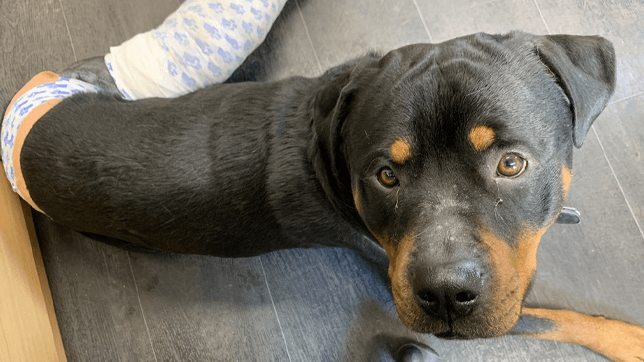
What is the cruciate ligament?
The word 'cruciate' comes from the Latin for 'cross', which describes how the two cruciate ligaments cross over each other inside your dog's knee joint. These tough, band-like structures connect the thigh bone (femur) to the shin bone (tibia), helping the knee work as a stable hinge.
Where is the cruciate ligament on a dog?
Dogs have two cruciate ligaments in each knee: the cranial (front) and caudal (back) cruciate ligaments. The cranial cruciate ligament (CrCL) is the one most commonly injured and is similar to the anterior cruciate ligament (ACL) in humans, which is often injured by athletes.
The cranial cruciate ligament prevents the knee from moving back and forth excessively and stops the tibia from sliding forward. When this ligament is damaged, the knee becomes unstable and painful.
What causes cruciate ligament disease in dogs?
Like many athletes, dogs can suffer injuries to their cruciate ligaments, but the way these injuries develop is different. In humans, cruciate ligament damage is usually caused by a sudden traumatic event, whereas in dogs it tends to develop gradually due to degeneration over time, with the ligament slowly weakening (much like a rope fraying strand by strand) until it partially or completely tears.
Some breeds are simply more prone to this injury, including Rottweilers, Labrador Retrievers, Golden Retrievers, Newfoundlands, West Highland Terriers, and Bichon Frises. Poor physical body condition, excess weight, and skeletal conformation can all place additional stress on the knee joints and increase the likelihood of ligament damage.
It is also quite likely that when a dog has had the condition in one knee then at some time the other one will be affected too. Research suggests that 40-60% of dogs who rupture one cruciate ligament will go on to injure the other knee, often within 12-18 months.
Cruciate ligament dog symptoms to look out for
Symptoms of dog cruciate ligament problems can range from a slight limp to being unable to put any weight on the affected leg at all. The signs often appear gradually rather than suddenly.
Key symptoms of cruciate ligament injury include:
- Lameness or limping (ranging from mild to severe)
- Difficulty rising from a sit
- Trouble jumping into a car
- Unwillingness to play
- A swelling on the inside of the leg/knee
- Pain and stiffness
- Sitting with the affected leg stuck out to the side rather than tucked under (sometimes called a 'positive sit test')
- Muscle loss (atrophy) in the affected leg
- A clicking or popping sound from the knee (which may indicate a meniscal tear)
- 'Toe-touching' — placing only a small amount of weight on the injured leg
If you notice any of these signs, it's important to contact your vet. Early diagnosis can help prevent further damage to the joint.
How is cruciate ligament disease in dogs diagnosed?
Your vet will typically diagnose a cruciate ligament injury through a physical examination and X-rays.
During the examination, your vet will feel for abnormal movement in the knee joint. They'll look for what's called a 'drawer sign': an unusual forward movement of the shin bone that indicates instability in the joint. Sometimes sedation is needed to relax your dog enough to perform this test properly.
X-rays can reveal swelling, arthritic changes, and help rule out other conditions. They're also essential for surgical planning if an operation is recommended.
Cruciate ligament treatment options for dogs
Treatment for a ruptured cruciate ligament in dogs falls into two main categories: surgical and non-surgical (conservative) management. The best approach depends on your pup’s size, age, activity level, and the severity of the injury.
Cruciate ligament surgery
For larger, more active dogs, surgery is typically the best treatment option. A 2024 study by the Royal Veterinary College's VetCompass Programme found that surgical management led to significantly better outcomes. Dogs were 25.7% less likely to show lameness at three months and 31.7% less likely at one year compared to non-surgical management.
It's very uncommon for the actual ligament itself to be repaired – most cruciate ligament surgery involves reconstructing the joint to restore normal function.
There are several surgical techniques available:
- TPLO (Tibial Plateau Levelling Osteotomy): Rotates the slope of the shin bone for the same effect. This changes the forces on the knee, making it stable without the cruciate ligament. It involves making a circular cut around the top of the shin bone and rotating it into a new position, then securing it with a bone plate and screws.
- TTA (Tibial Tuberosity Advancement): Moves the attachment of the muscle forward. A cut is made along the front of the shin bone, and the front section is moved forward using a specially designed wedge and plate.
- Extra-capsular suture stabilisation: This technique uses heavy-duty suture material placed outside the joint to mimic the function of the cruciate ligament while scar tissue forms around the knee. It's often used for smaller dogs.
The decision rests with the veterinary surgeon but is usually taken with consideration for the individual dog with factors such as age, breed, and condition.
Meniscal damage surgery for dogs
Inside the knee joint are pieces of cartilage called menisci, which act as shock absorbers between the thigh and shin bones. When the cruciate ligament ruptures, the menisci are often damaged too. If your dog needs surgery, the vet will inspect the joint and repair any meniscus damage at the same time.
Alternatives to cruciate ligament surgery (conservative treatment)
Non-surgical treatment of cruciate ligament disease in dogs focuses on building strength around the knee to compensate for the damaged ligament. This approach may be suitable for smaller dogs (typically under 15kg) or dogs with only a partial tear.
Conservative treatment usually involves:
- Plenty of rest followed by a very gradual, controlled return to exercise
- Pain relief and anti-inflammatory medication
- Weight management to reduce stress on the joints
- Physiotherapy to strengthen supporting muscles
- Joint supplements
Conservative treatment can take several weeks to months to show results. If it's unsuccessful, surgery may still be recommended.
Dog cruciate ligament recovery: what to expect
Recovery from dog cruciate ligament surgery requires patience and careful management. The first six weeks are the most crucial time for healing.
Typical recovery includes:
- Strict rest and restricted activity (lead walks only for toilet breaks initially)
- Pain relief medication as prescribed by your vet
- A very gradual, controlled return to exercise over several weeks
- Supportive therapies such as laser therapy, bracing, and physiotherapy
- Hydrotherapy to exercise without straining the healing joint
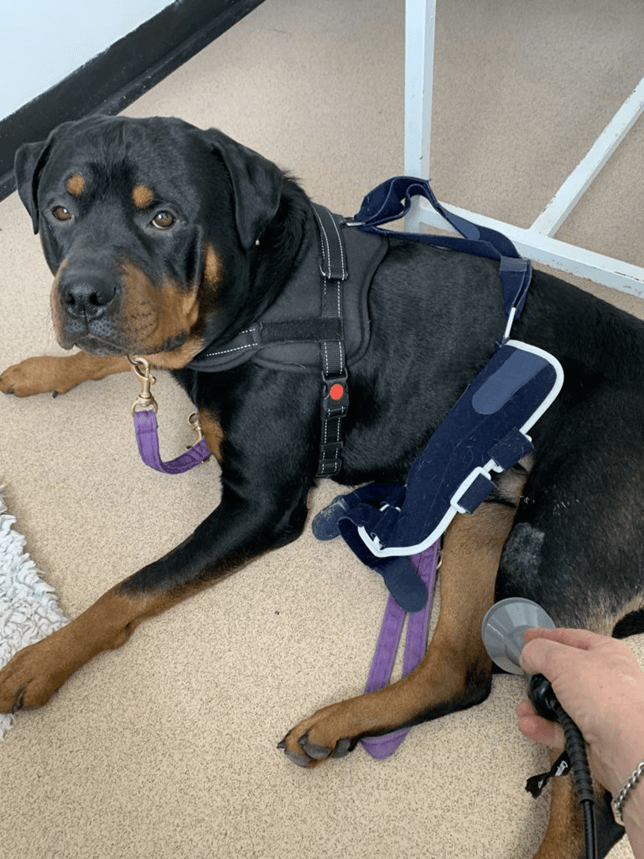
Most dogs return to good function within three months, though full recovery can take longer. Your vet will give you specific instructions tailored to your dog's needs.
Long-term outlook and preventing further injury
With appropriate treatment, most dogs with cruciate ligament disease can return to a relatively normal, active life. However, there are some important things to keep in mind:
- Arthritis: Dogs who have had cruciate ligament damage will nearly always develop some degree of arthritis later in life. Surgery helps slow its progression, but regular vet check-ups and joint supplements may be recommended to manage this.
- Risk to the other knee: As mentioned, around 40-60% of dogs will develop problems in their other knee, usually within 12-18 months. Keeping your dog fit and healthy, and avoiding high-impact activities can help reduce this risk.
- Weight management: Maintaining a healthy weight is one of the most important things you can do to protect your dog's joints. If your dog is overweight, your vet can help create a weight loss plan.
- Sensible exercise: Once recovered, normal walking and moderate activity is fine, but you should limit strenuous movements like excessive jumping, sudden direction changes, and ball chasing that puts strain on the knees.
When to see a vet
Contact your vet if your dog is limping, showing stiffness, or reluctance to exercise, or if you notice any of the symptoms mentioned in this guide. Early diagnosis and treatment can help prevent further damage to the joint and give your dog the best chance of a good recovery.
For peace of mind, Animal Friends customers can access free 24/7 video consultations with qualified vets through Joii Pet Care, which can help you decide whether a visit to your practice is needed.
Treatment for cruciate ligament disease in dogs can be expensive, especially if surgery is needed. Costs can vary depending on factors such as your dog’s size, the type of procedure recommended, and where you live.
Having pet insurance in place may help ease some of the financial pressure, allowing you to focus on supporting your dog through their recovery at what can be a worrying time.
If you’d like to learn more, you can read about our dog insurance policy here.
How much cover do you need?
Our average vet fee claim for canine cruciate ligament damage was £2,918 in 2025.
Knowing how much it costs to treat this issue is important, so you’re prepared with the right type of policy. Fortunately, we’re here to help.
*This figure shows the average cost of vet fees claimed for dogs with canine cruciate ligament damage that were submitted to Animal Friends in 2025.
Related resources:

Need dog insurance?
Dog insurance can help cover the cost of veterinary treatment if your dog gets injured or falls ill.
Looking for more dog advice?
Find the information you need as we support you through every step of your journey with your canine companion.
We know pets
Here at Animal Friends Insurance, we're multi-award winning, with a passion to create a better life for every animal.
Since we were founded over 25 years ago, we protect the nation’s pets, while also making a difference to animal welfare and our planet. Thanks to you, we've donated over £10 million to more than 830 animal welfare charities and conservancies, helping to support vulnerable pets and wildlife around the world.
We’re proud to offer pet insurance that helps make a difference to the lives of animals everywhere.
The charitable work undertaken by Animal Friends Insurance is not regulated by the Financial Conduct Authority.