15th June 2026
Colic in horses: symptoms, types, and treatment
‘Colic’ is a word every horse owner hopes they’ll never have to hear. It can come on suddenly, range from mild discomfort to a life-threatening emergency, and is one of the most serious health concerns affecting horses worldwide.
That’s why knowing what colic is, how to spot the signs, and when to call your vet can make all the difference to your horse’s chances of recovery.
If you’re worried your horse may have colic, contact your vet as soon as possible.
What is colic?
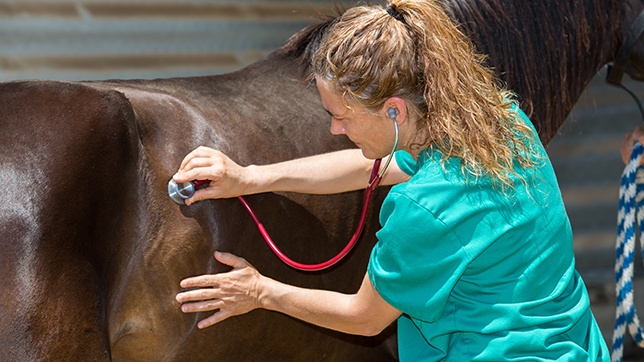
Although many horse owners think of colic as a disease, it’s actually a term used to describe abdominal pain or digestive discomfort in horses.
How many types of colic are there?
There are several different types of colic. While only a vet can diagnose the exact cause, understanding the different forms of colic can help you recognise what might be happening and why prompt veterinary attention is so important.
Impaction colic
- Caused by a blockage in the digestive tract that prevents food and waste moving through normally
- Most commonly occurs at a bend in the intestine known as the pelvic flexure
- Can be linked to dehydration, reduced water intake, poor-quality forage, or reduced gut movement.
How to identify impaction colic?
- Mild to moderate signs of abdominal pain
- Reduced appetite or reluctance to eat
- Passing fewer droppings than normal
- Dullness or lethargy
- Symptoms often develop gradually rather than appearing suddenly.
Sand colic
- Occurs when a horse ingests sand while grazing or eating from sandy ground
- Sand accumulates in the large colon over time
- The build-up can irritate the digestive tract and eventually cause a blockage.
How to identify sand colic?
- Presence of sand in the horse’s droppings
- Weight loss despite a normal diet
- Reduced appetite.
Spasmodic colic
- Caused by spasms or abnormal contractions of the intestinal muscles
- Often develops suddenly and can be very painful
- Usually responds well to veterinary treatment, including anti-spasmodic medication and pain relief.
How to identify spasmodic colic?
- Pain that comes and goes in waves
- Pawing the ground, flank watching, or restlessness
- Audible sounds from the gut.
Flatulent colic (gas colic)
- Caused by a build-up of gas within the digestive system
- Also known as gas colic or tympanic colic
- Often associated with highly fermentable feeds or diets high in starch.
How to identify flatulent colic?
- Mild to moderate abdominal pain
- Signs of bloating or high pitched sounds from the horse’s guts
- Restlessness and frequent lying down and getting back up
- Symptoms may appear shortly after feeding
- Passing gas may provide temporary relief.
Strangulating colic
- Occurs when the blood supply to part of the intestine becomes restricted or cut off
- Considered the most severe and life-threatening form of colic
- Requires urgent veterinary attention and often emergency surgery.
How to identify strangulating colic?
- Severe, persistent abdominal pain
- Violent rolling or thrashing
- Little or no response to pain relief
- Rapid deterioration in the horse's condition
- Increased heart rate and signs of shock may develop.
Displacement colic
- Occurs when part of the large colon moves out of its normal position
- Often caused by trapped gas causing the colon to shift
- More commonly seen in larger horses and mares that have recently foaled
- Can sometimes reoccur after treatment.
How to identify displacement colic?
- Reduced appetite
- Decreased droppings
- Intermittent discomfort that may worsen over time.
What are the main causes of colic in horses?
While research is still ongoing into the many causes of colic, vets have identified several common risk factors. Understanding what can trigger colic may help you reduce your horse's risk and recognise potential problems early.
| Cause | Why it can lead to colic |
|
Dietary changes |
Sudden feed changes can disrupt the bacteria needed for digestion. A balanced diet is one of the most important foundations of your horse's health |
|
Dental problems |
Poor chewing can increase the risk of digestive blockages |
|
Toxins |
Horses can't vomit, so harmful substances can irritate the digestive system |
|
Gastric ulcers |
Stomach ulcers can cause abdominal pain and colic-like symptoms |
|
Stress |
Reduced eating and gut movement can increase the risk of colic |
| Worms |
Heavy worm burdens can damage the gut or create blockages. Regular worm management is an important part of protecting your horse's digestive health |
What are the symptoms of colic in horses?
Recognising the signs of colic quickly can help your horse receive veterinary treatment as soon as possible.
Some horses show only mild symptoms at first, while others may become seriously unwell very quickly. If you're concerned your horse may have colic, contact your vet immediately.
Early signs of colic in horses
The first signs can be subtle and are sometimes easy to miss.
- Restlessness
- Pawing at the ground
- Looking at their flank or stomach
- Reduced appetite
- Head held lower than usual
- Passing fewer droppings than normal
- Changes in the consistency of droppings
- Mild signs of discomfort.
More serious signs of colic
As abdominal pain increases, symptoms often become more obvious.
- Repeatedly lying down and getting back up
- Kicking at their stomach
- Excessive or unexplained sweating
- Circling
- Box walking
- Tense abdominal muscles or appearing "tucked up"
- Rapid breathing
- Signs of depression or unusual quietness.
Emergency signs of colic
Some symptoms indicate your horse may need urgent veterinary intervention.
- Repeated or violent rolling
- Severe, persistent discomfort
- No droppings being passed
- Minimal gut sounds or no gut sounds at all
- Extreme distress or rapid deterioration.
Please note: These symptoms are not exclusive to colic and may be associated with other health conditions. Always contact your vet if you're concerned about your horse's health.
Don't wait
Don't wait until the 'emergency' stage to call your vet. When you start to see milder symptoms, have a discussion with them as soon as possible.
What should you do if your horse has colic?
If you suspect your horse may have colic, contact your vet immediately. Early veterinary intervention can significantly improve the outcome for many horses.
While waiting for your vet to arrive, there are several steps you can take to help keep your horse safe and comfortable.
1. Remove access to food
If your horse has a blockage or digestive upset, eating more could worsen the problem.
- Remove hay, feed, treats, and any other edible items
- Ensure fresh water remains available unless your vet advises otherwise.
2. Make their environment safe
Horses experiencing abdominal pain may roll or move around unexpectedly.
- Remove buckets, feed bowls, hanging rugs, and other hazards
- If possible, keep your horse in a stable with deep bedding or a safe area with a soft surface.
3. Monitor your horse from a safe distance
Your safety is important too.
- Wear appropriate safety equipment, including a riding hat if necessary
- Avoid putting yourself in a position where you could be kicked or knocked over
- Observe and record any changes in your horse's symptoms to share with your vet.
How to prevent colic in your horse?
While it's not always possible to prevent colic completely, good management can help reduce your horse's risk.
How to help reduce the risk of colic
- Follow a vet-approved worming programme
- Arrange dental check-ups every six months
- Provide clean, fresh water at all times
- Ensure your horse has access to plenty of forage and fibre
- Introduce any dietary changes gradually
- Maintain a consistent exercise and feeding routine
- Avoid grazing on sandy pastures where possible.
Remember: If you're unsure about the best way to protect your horse from colic, your vet will be able to provide advice tailored to your horse's individual needs.
Colic FAQs
Some mild cases of colic may resolve on their own, but it's impossible to know how serious the underlying cause is without veterinary assessment. What appears to be mild discomfort could quickly develop into a life-threatening emergency.
Because colic can worsen rapidly, it's always best to contact your vet if you suspect your horse may be showing signs of abdominal pain or digestive discomfort.
Yes, in severe cases, colic can be fatal if left untreated. Certain types of colic, such as strangulating colic, can cut off the blood supply to part of the intestine and quickly become life-threatening.
While not every case of colic is an emergency, prompt veterinary treatment gives your horse the best possible chance of recovery.
There isn't a single cause of colic, but sudden dietary changes, dehydration, dental problems, parasites, and digestive blockages are among the most common risk factors. Good management practices, including regular dental checks, worm control, and gradual feed changes, can help reduce your horse's risk of developing colic.

Need horse insurance?
Horse insurance can help cover the cost of veterinary treatment if your horse gets injured or falls ill.
Looking for more horse advice?
Support and advice so that owners and riders can take the very best care of their equine.
We know pets
Here at Animal Friends Insurance, we're multi-award winning, with a passion to create a better life for every animal.
Since we were founded over 25 years ago, we protect the nation’s pets, while also making a difference to animal welfare and our planet. Thanks to you, we've donated over £10 million to more than 830 animal welfare charities and conservancies, helping to support vulnerable pets and wildlife around the world.
We’re proud to offer pet insurance that helps make a difference to the lives of animals everywhere.
The charitable work undertaken by Animal Friends Insurance is not regulated by the Financial Conduct Authority.