
Fireworks: How ready are you?
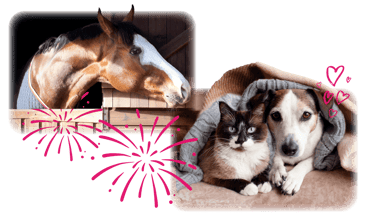
What is the Fireworks Readiness Checker?
Every pet is different, but a little preparation can make a big difference during fireworks season.
Our recent research found that 64% of pet owners feel prepared, but only 13% have a detailed plan in place for their pet. Meanwhile, 76% say the period around Halloween, Bonfire Night and New Year's Eve is the most stressful time of year for their pet. With 71% of owners saying they need more guidance.
That's why we've created our Fireworks Readiness Checker: a simple tool designed to help you understand how prepared you are and identify practical steps to support your pet before fireworks begins.
Answer the questions below and we will let you know whether your answers are mostly A, B or C.

SPARKS: Your Fireworks Readiness Plan
From planning ahead to spotting signs of stress, SPARKS gives you six simple ways to help your pet through fireworks.
S – Safe Haven
Create a quiet, comfortable space where your pet can retreat if they feel overwhelmed. Make sure they can access it freely and avoid forcing them out if they choose to hide.
P – Plan Ahead
Check local fireworks dates, speak to neighbours about any displays they may be planning and think about how fireworks could affect your routine.
A – Ask for Advice
If your pet has struggled with fireworks before, speak to your vet as early as possible. They can help you understand the support options available.
R – Reduce the Noise
Close curtains and windows, and use music, television, or white noise to soften the sound of fireworks. If your pet lives outside, such as in a stable, use the same principles wherever possible.
K – Keep Them Secure
Check that fences, gates and doors are secure and make sure your pet's collar, tags and microchip details are up to date.
S – Spot the Signs
Learn how to recognise signs of stress, as these can vary between animals, such as shaking, pacing, hiding, panting, vocalising more than usual or becoming unusually clingy, so you can respond quickly if your pet needs support.
Pet care tips and advice in your inbox
If you found our fireworks advice useful and you'd like to hear more from us, click here for more.