
1st July 2026
A guide to microchipping your dog in the UK
Despite our best efforts to keep our dogs safe, sometimes our canine companions can stray from home or sadly, even get stolen. Should this happen, a microchip gives them the best chance of being identified and returned to you.
What is a microchip?
A dog microchip is a small device, about the size of a grain of rice, implanted under your dog’s skin between the shoulder blades. The procedure is quick and virtually painless. Each chip has a unique number that makes it easy to identify your dog if they go missing.
Since 6th April 2016, the UK government has made it a legal requirement for all dogs over eight weeks old to be microchipped, helping responsible ownership and increasing the chances that lost pets return home.
How long do microchips last and do I need to get them replaced?
Microchips are designed to last for your dog’s lifetime so there is no need to remove or replace the device.
How much do microchips cost?
The cost for microchipping a dog typically ranges from £10 to £15 and is offered by veterinary practices, groomers, dog walkers, and pet sitters. Some veterinary health plans include microchipping along with vaccinations, flea, and worm treatments to spread out the cost.
Some charities also offer free or discounted microchipping events depending on income. Additionally, some databases charge a small one-off fee for registration, which may include future updates.
Tip: Petdatabase.com provides a free Defra-compliant database and lost pet service.
What’s the cost of not getting your dog microchipped?
Failing to microchip your dog could cost you more than the price of a chip. In the UK, it is a legal requirement for dogs over eight weeks old to be microchipped. Not complying can result in a fine of up to £500.
Beyond financial penalties, an unchipped dog that goes missing has a much lower chance of being safely returned, increasing the emotional and practical cost for you and your pet.
How much does it cost to update your contact details?
Updating your dog’s microchip information is usually free, though some databases may charge a small one-off fee. Providers differ in how they handle updates, so it’s worth checking each database’s policies.
Keeping your details current ensures that if your dog is lost or stolen, you can be contacted quickly.
How do I know if my dog is microchipped?
If you rescued or bought your dog from a breeder, ask for proof of a dog microchip. This can include:
- A microchip certificate
- Vet records
- A pet passport
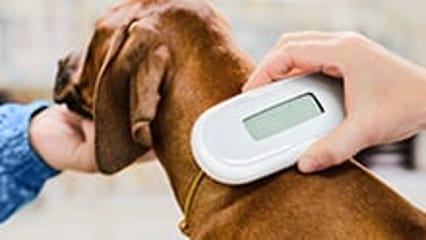
If you can’t locate these, your vet can scan your dog to check.
Remember: Not having your dog microchipped and registered on an approved database could lead to a fine of up to £500.
A list of government approved databases
- Animal Microchips
- Animal Tracker
- Chipworks
- Identibase
- MicroChip Central
- My Animal Trace
- MyPet
- National Veterinary Data Service
- Pet Chip Register
- Pet Database – FREE TO USE
- Pet Identity UK
- Petlog
- PetScanner
- ProtectedPet
- SmartTrace
- UK PETtrac MicroChip Database
- We Trace Pets
How to check if my dog’s details are still up to date?
Once you have your dog’s microchip number, you can use an online chip checker to confirm which database your dog is registered with and update your details if needed. Keeping your information current ensures you can be contacted quickly if your dog is lost.
Why is microchipping your dog important?
If a dog goes missing, having a microchip provides peace of mind that they can be identified and returned safely. It also helps prove ownership, which can be critical in disputes. Unlike collars or tags, which can wear out or be removed, a microchip lasts for your dog’s lifetime.
What should I do if my dog is lost or stolen?
If your dog is lost or stolen, you’ll need to phone your microchip database company as soon as you can to let them know. They will check to make sure your details are up to date, flag your dog as lost or stolen and contact you if they are found.
Animal Friends and your dog’s microchip
As one of the leading pet insurance providers in the UK, we are committed to ensuring our customers have the support and information they need to be responsible pet owners, and can continue to ensure their pets remain safe, healthy, and protected.
That’s why we’ve made it possible for you to add your microchip details onto your dog insurance policy so that you will have them to hand if you ever need them.
Dog microchipping FAQs
No, you should not microchip a dog yourself. Microchips must be implanted under the skin between the shoulder blades using a sterile, veterinary-approved device. Only trained professionals, such as vets, qualified nurses, or authorised organisations, can safely microchip your dog.
Most smartphones cannot read a dog microchip directly. You will need a proper dog microchip scanner, which vets and shelters have. These scanners can read your dog’s unique microchip number to confirm registration details.
Microchipping your dog before vaccinations, such as rabies, ensures that your pet’s identity is properly recorded before any international travel or legal compliance is required. This helps prevent mix-ups, ensures your dog’s health records are accurate, and may be a legal requirement in some countries.
Yes. Under UK law, it is illegal to sell or rehome a puppy that is over eight weeks old without a registered dog microchip. Breeders and sellers must ensure each puppy is microchipped and the details registered on an approved database before ownership is transferred.
Related articles:
Let us look after your dog's details
Your dog's details can be added to your policy in our Customer Hub so that you have them to hand should you ever need them.

Need dog insurance?
Dog insurance can help cover the cost of veterinary treatment if your dog gets injured or falls ill.
Looking for more dog advice?
Find the information you need as we support you through every step of your journey with your canine companion.
We know pets
Here at Animal Friends Insurance, we're multi-award winning, with a passion to create a better life for every animal.
Since we were founded over 25 years ago, we protect the nation’s pets, while also making a difference to animal welfare and our planet. Thanks to you, we've donated over £10 million to more than 830 animal welfare charities and conservancies, helping to support vulnerable pets and wildlife around the world.
We’re proud to offer pet insurance that helps make a difference to the lives of animals everywhere.
The charitable work undertaken by Animal Friends Insurance is not regulated by the Financial Conduct Authority.