
Why does my cat keep meowing?
In this article, we’ve shared a few reasons why your cat could be meowing a lot, and what to do if they’re demonstrating this behaviour.
30th July 2026
Cats use a range of vocalisations to communicate, but meowing is the sound they rely on most when trying to talk to us. If your cat is meowing a lot or more than usual, they may be trying to let you know how they’re feeling, or that something in their world has changed.
From kittens finding their voice to adult cats asking for attention, this guide explores the most common reasons behind meowing, what to do if your cat is meowing excessively (and at night), and how you can help your feline friend feel understood.
In this article:
- What is a ‘meow’?
- Why does my kitten keep meowing?
- Why is my adult cat meowing?
- Why does my cat meow at night?
- Ways to help your cat stop meowing
- What to do if your cat is constantly meowing
What is a ‘meow’?
A meow is a sound that cats use for communication. Unlike other vocalisations, such as hisses or growls, meowing is rarely used between cats. Instead, it’s become their way of getting our attention, telling us what they need, or simply saying “hello”.
In fact, research shows that cats change the pitch, length, and tone of their meows depending on the situation. For example, meows for food tend to be higher in pitch and shorter, while stressed meows can sound lower or more drawn out.
Over time, cats vary their meows across contexts and individuals, which can feel like a unique ‘conversation’ between you and your cat.
Why does my kitten keep meowing?
Meowing begins early in a kitten’s life. Newborns meow to signal hunger, cold, discomfort, or separation. These early meows help the mother locate them and meet their needs.
However, as kittens grow, they learn new types of meowing. Their cries become shorter, more varied, and they also begin to direct calls at humans.
Kittens are typically more vocal than adult cats, especially when adjusting to new surroundings, routines, or environmental changes. Overstimulation, overtiredness, or boredom can also cause a kitten to meow more than expected.
Kittens who are newly rehomed may also meow more while settling into their new environment, particularly at night. If your kitten keeps meowing, ensure they feel safe, warm, occupied, and close to familiar scents.
We’ll cover tips for kittens crying at night later on.
When do kittens usually meow less?
Many kittens tone down their meowing as they gain confidence, establish routines, and develop non-vocal cues. However, highly social breeds or very bonded kittens may remain more vocal into adulthood.
Why is my adult cat meowing?
If your cat is meowing a lot, it’s usually an attempt to communicate a need, emotion, or physical change. Studies show that even experienced cat owners can struggle to interpret meows accurately, so don’t worry if it takes a little time to figure out.
Here are the most common reasons why your cat might be meowing so much:
1. Your cat is a vocal breed
Some breeds of cats are known for being more vocal than others.
For example, Siamese, Burmese, and other Oriental breeds often talk to their owners throughout the day. Siamese cats in particular have a very distinctive cry which is often mistaken for a human baby!
So next time your cat is meowing or yowling constantly, it could just be down to their DNA.
You can read more about different cat breeds here.
2. Your cat wants food
One of the most obvious reasons for excessive meowing is that your cat is hungry! Some cats understand when it’s time to eat and so they’ll meow constantly until they are fed.
If it seems like this may be the reason for your cat’s vocal nature, try to avoid feeding them whilst they are making noise. Once they quieten down, give them a treat or their food. If you persevere, you can train your cat to stay quiet when it's tea time!
3. Your cat might be unwell
If your cat keeps meowing, they could be trying to tell you that they are not feeling well. Medical issues linked to increased vocalisation in cats include:
- Kidney or thyroid conditions
- High blood pressure
- Urinary problems
- Dental disease
- Arthritis or joint discomfort
- Digestive upset
If your cat seems out of sorts or the meowing is unusual for them, it’s best to speak to your vet. They’ll be able to diagnose any health conditions or help you identify other potential triggers.
4. Your cat is bored or lonely
If your cat is looking for some attention or is simply feeling lonely, they’ll tell you by becoming more vocal.
Your pet will try to initiate play or get you to stroke them by meowing a lot. If you want to stop your cat meowing, try ignoring them when they become loud. When your pet is quiet, reward them with some attention, but stop as soon as they start meowing again.
If you think your cat is lonely, try hiring a pet sitter to check in on them during the day, or leave some toys containing food out to keep them occupied.
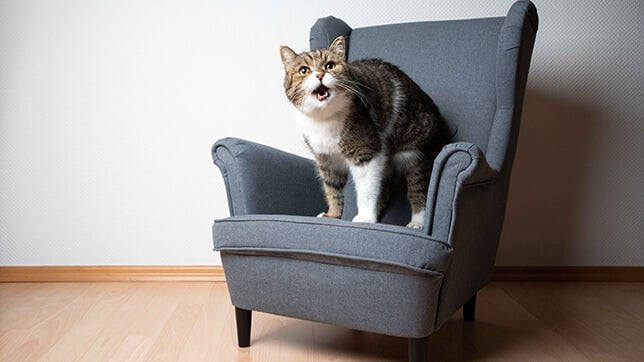
5. Your cat is stressed or anxious
Cats can also become more vocal when they’re experiencing some form of stress. This is often due to changes in their environment, including:
- Moving house
- New pets or visitors
- Loud noises
- Changes to their routine
- Unfamiliar smells or objects
A good place to start is by giving your cat some extra attention and investigating the cause of the stress. If your cat’s excessive meowing doesn’t improve, talk to your vet for some advice on how to relax them.
Tip: Stress-related meows may sound different, sometimes lower, longer, or more repetitive.
6. You have an older cat
Older cats may meow more than usual due to an increased want for attention, possible confusion or disorientation, or due to common conditions like loss of sight or hearing. Senior cats also tend to experience changes in sleeping patterns and anxiety when waking at night.
The best thing to do is keep your cat comfortable and look out for cues that your cat is confused or in pain. If you’ve noticed a considerable change in their meowing behaviour as they’ve aged or suspect an underlying health problem, take them to the vet for a check up.
7. Your cat wants to mate
When a cat who isn’t neutered or spayed reaches sexual maturity, their vocalisations can increase dramatically. Female cats in heat often produce loud, drawn-out yowls (sometimes called “calling”), while males may pace, meow persistently, and become restless if they sense a female nearby. These sounds can seem urgent or distressed, but they’re a normal part of feline mating behaviour.
If your cat’s meowing aligns with breeding seasons or happens in cycles every few weeks, this may be the cause. Neutering or spaying usually reduces or completely resolves mating-related vocalisation, and it also helps prevent roaming, fighting, spraying, and unwanted litters.
If you’re unsure whether the behaviour is hormonal or something else, your vet can help you tell the difference.
Why does my cat meow at night?
Night-time meowing is a common concern for many owners. Your cat or kitten may be meowing at night because they are:
- Hungry or anticipating breakfast
- Bored after a quiet day
- Anxious or lonely
- Naturally more active at dawn and dusk*
- Confused (common in older cats)
- Responding to outdoor animals
*Fun fact: Domestic cats aren’t nocturnal, they’re ‘crepuscular’. Being crepuscular means our feline friends are usually most active at dawn and dusk (for some, resting during the day allows plenty of energy for ‘singing’ the night away)!
Most cats aren’t trying to be disruptive by meowing, they’re simply communicating in the only way they know how.
If your cat’s nightly meowing becomes a problem they won’t grow out of, follow our tips below.
Ways to help your cat stop meowing
Here are some simple, supportive steps from the Animal Friends team to help reduce unwanted meowing - whether it’s happening during the day, at night, or both.
1. Build in regular play and enrichment
Cats who feel bored or under-stimulated often meow to get attention or release pent-up energy.
Giving your cat several short play sessions throughout the day, along with a calming playtime before bed, can help them feel settled and satisfied. Wand toys, puzzle feeders, and scent-based enrichment all keep their mind and body active.
If your cat is older or has mobility issues, choose gentle, low-impact activities and check with your vet before increasing exercise.
2. Use positive reinforcement to reward quiet behaviour
Positive reinforcement training is one of the most effective and kind ways to reduce both daytime and night-time meowing. Try:
- Rewarding calm or quiet moments: When your cat pauses meowing, even briefly, offer calm praise or a small treat. This teaches them that silence - not noise - gets your attention.
- Avoiding accidental rewards: Try not to give food, fuss, or play while your cat is meowing, as this strengthens the behaviour.
- Creating a “settle space”: A cosy bed, perch, or blanket can become a safe, relaxing spot. Reward your cat when they choose this area on their own.
If your cat meows at night, positive reinforcement can also help them settle into their own sleeping area. Be patient during training, especially as adult cats may take a little longer to adjust than kittens.
3. Stick to set mealtimes
Many cats quickly learn that meowing makes food appear. Feeding your cat at the same times each day helps prevent food-related vocalisation, and creates a sense of routine that can help to relax your cat.
Tip: Try to wait until they are quiet before offering meals or treats.
If your cat prefers to graze, leaving a small portion of their daily allowance out may reduce early-morning hunger.
You should also make sure that they have constant access to fresh, clean drinking water at all times to help them stay hydrated (and rule out thirst as a reason for their meowing).
4. Respond thoughtfully to attention-seeking meows
It’s natural to want to comfort your cat, but responding immediately to every meow can unintentionally reinforce the behaviour.
If your cat is healthy and not in distress, try pausing before responding, offering attention only when they are calm, or redirecting them with enrichment or play.
However, if the meowing is suddenly new, unusually intense, or combined with behavioural changes, always contact your vet, as your cat may be trying to tell you something important.
5. Create an environment that supports their needs
Your cat’s surroundings can play a big part in how much they vocalise.Try:
- Keeping litter trays clean where possible
- Providing high-up spaces for security
- Ensuring access to scratching posts and toys
- Reducing exposure to outdoor triggers (e.g., blocking direct window views if outside cats are causing stress)
A calm, enriched environment helps your cat feel more relaxed, which naturally reduces both daytime and nighttime meowing.
What to do if your cat is constantly meowing
If your cat is meowing a lot despite your best efforts to understand the problem, talk to your vet or a qualified behaviourist. They can:
- Check for underlying medical issues
- Identify behavioural triggers
- Create a personalised plan to reduce vocalisation
Find out more about behavioural assessments for cats.
Conclusion
Every cat is different and communicates in different ways. While some cats are naturally more vocal, sudden or intense changes in meowing may be a sign that your cat needs comfort or medical attention.
Working with your cat to understand and address their meowing is the best strategy for keeping your feline friend safe and happy.
Remember: Animal Friends Cat Insurance or Kitten Insurance policy holders get free access to Joii Pet Care experts 24/7 who can help to answer any questions about anything from your cat’s meowing habits to their overall health.
Related content:
Read our cat blog!
If you found this article useful, why not visit our cat blog for more news, insight and opinion pieces?

Need cat insurance?
Cat insurance can help cover the cost of veterinary treatment if your cat gets injured or falls ill.
We know pets
Here at Animal Friends Insurance, we're multi-award winning, with a passion to create a better life for every animal.
Since we were founded over 25 years ago, we protect the nation’s pets, while also making a difference to animal welfare and our planet. Thanks to you, we've donated over £10 million to more than 830 animal welfare charities and conservancies, helping to support vulnerable pets and wildlife around the world.
We’re proud to offer pet insurance that helps make a difference to the lives of animals everywhere.
The charitable work undertaken by Animal Friends Insurance is not regulated by the Financial Conduct Authority.