
9th November 2026
How to calm your pet during fireworks
Whether it's Bonfire Night, Diwali, or New Year's Eve, fireworks are often used for celebrations and keeping communities entertained. However, the loud bangs and flashing colours of fireworks can be very frightening for animals, which can often cause stress for both pets and owners.
This guide contains everything you need to know about how to manage your pet’s anxiety during fireworks, from how to recognise signs of stress to helping them cope at home.
We’ll cover:
- Why are pets scared of fireworks?
- How to help pets with firework anxiety
- Advice for dog owners
- Advice for cat owners
- Advice for horse owners
- When to speak to a vet about firework anxiety
- Things to remember during fireworks
- FAQs about pets and fireworks
Why are pets scared of fireworks?
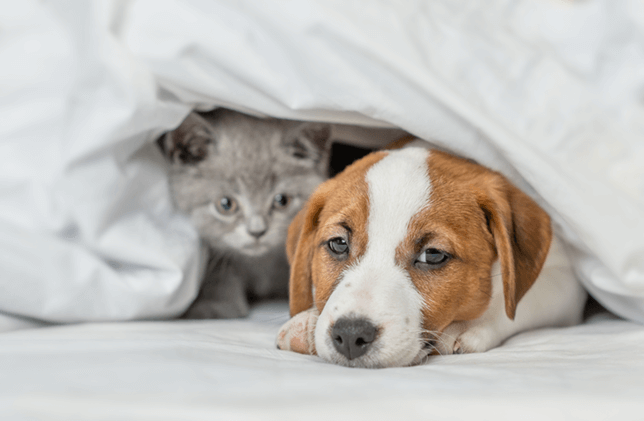
It’s unsurprising that loud bangs, whistles, and flashes can upset our pets, but it isn’t just the volume of fireworks that can frighten them.
Unlike many everyday sounds, fireworks are unpredictable — they can vary in volume, happen without warning, and continue at random intervals. This can make it difficult for an animal to anticipate where the next noise is coming from or when it will stop, which can cause fear and distress.
UK research highlights that firework-related distress is common in pets. Recent polling in partnership with the RSPCA revealed that almost two thirds (60%) of dog owners said their dog had been negatively affected by fireworks.
Around one third (34%) of UK cat owners surveyed by PDSA also reported that their cats were afraid of fireworks, while a 2025 survey led by Redwings Horse Sanctuary found that 68% of respondents had firsthand experience of horses in their care being negatively affected by fireworks.
However, it’s important to note that not every animal will react to fireworks in the same way. You may have one pet that hates fireworks while the other is relatively relaxed, even if they’re the same breed. Research has found that factors including age and early environment can affect how dogs respond to loud noises such as fireworks, meaning their reaction isn’t always easy to predict.
Unfortunately for the pets and owners that do struggle with firework anxiety, there’s no quick fix or magic remedy. But there are a few things you can try that may be able to help your pet cope better.
How to help pets with firework anxiety
From planning ahead to spotting signs of stress, SPARKS gives you six simple ways to help your pet through fireworks.
S – Safe Haven
Create a quiet, comfortable space where your pet can retreat if they feel overwhelmed. Make sure they can access it freely and avoid forcing them out if they choose to hide.
P – Plan Ahead
Check local fireworks dates, speak to neighbours about any displays they may be planning, and think about how fireworks could affect your routine.
A – Ask for Advice
If your pet has struggled with fireworks before, speak to your vet as early as possible. They can help you understand the support options available.
R – Reduce the Noise
Close curtains and windows, and use music, television, or white noise to soften the sound of fireworks. If your pet lives outside, such as in a stable, use the same principles wherever possible.
K – Keep Them Secure
Check that fences, gates, and doors are secure and make sure your pet's collar, tags, and microchip details are up to date.
S – Spot the Signs
Learn how to recognise signs of stress, as these can vary between animals, such as shaking, pacing, hiding, panting, vocalising more than usual, or becoming unusually clingy, so you can respond quickly if your pet needs support.
Fireworks Readiness Checker: Check out our simple tool that's designed to help you understand how prepared you are and identify practical steps to support your pet before fireworks begins.
Advice for dog owners
How can I tell if my dog or puppy is scared of fireworks?
Signs aren’t immediately obvious, but you might notice them:
- Trembling or shaking
- Panting or salivating
- Pacing or appearing restless
- Pinning their ears back and tucking their tail
- Hiding or trying to escape
- Barking or becoming more vocal
- Seeking more attention from you than usual
- Losing interest in food
- Going to the toilet somewhere they wouldn't normally
- Displaying destructive behaviour
Every dog is different, so you might only notice one or two changes in their behaviour. Knowing what's normal for your canine companion can make it easier to recognise when they're struggling.
How to calm a dog during fireworks
A top tip for anxious dogs is to give them the choice to stay somewhere they feel comfortable. Your dog might want to retreat to their safe space, or on the other hand, they may prefer to stay close to you.
Alongside the SPARKS advice above, you could try distracting your dog with something they enjoy, such as a favourite toy, long-lasting chew, or enrichment activity, providing they're relaxed enough to engage with it.
Try to keep your own behaviour calm and your dog's routine as familiar as possible. If you know fireworks are expected later in the day, make sure they've had the opportunity to exercise and go to the toilet beforehand, rather than taking them outside once fireworks have started.
Remember that getting your dog used to fireworks can take time, particularly if your dog already has a strong fear response. Avoid punishing anxious behaviour or forcing your dog to interact with something they're frightened of.
Learn more about how to manage your dog’s anxiety in our guide to supporting anxious dogs.
Advice for cat owners
Signs your cat or kitten is anxious during fireworks
Cats can react to fireworks in different ways, and their anxiety might not always be immediately obvious. If your cat is frightened, you may notice changes in their usual behaviour, such as:
- Hiding or withdrawing more than usual
- Appearing restless or trying to find somewhere they feel safe
- Crouching or making themselves appear smaller
- Flattening or turning their ears back
- Having wide or dilated pupils
- Showing reluctance to eat
- Trying to escape
Since every cat has their own personality and habits, knowing what's normal for your feline friend can help you spot changes that could suggest they're feeling anxious.
How to calm a cat during fireworks
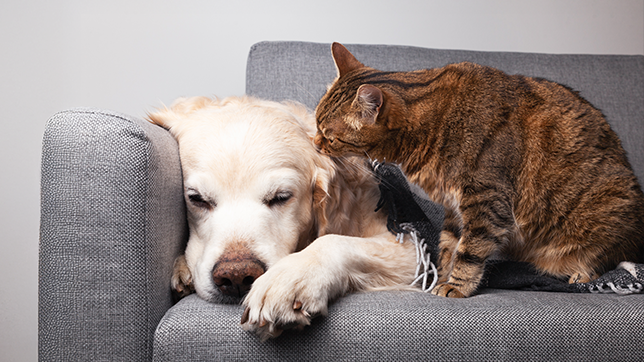
One of the most helpful things you can do is give your cat choice over where they spend their time. Cats will often seek out somewhere they feel secure when they're frightened, so make sure they have access to their favourite hiding places and don't try to coax them out if they'd rather stay hidden.
Keep familiar resources such as food, fresh water and their litter tray easy to access, so they don't have to venture far from the area where they feel comfortable. Closing curtains and windows can also help reduce the impact of what's happening outside.
Your cat might choose to hide away until the fireworks have finished, or they might come looking for attention. Let them decide what feels most comfortable and avoid picking them up, encouraging them to play, or repeatedly checking on them if they'd prefer to be left alone.
If possible, keep their surroundings and routine familiar throughout the evening. Having access to the places, scents, and resources they already know can help avoid introducing even more change while they're dealing with the unfamiliar activity outside.
Need more advice for how to recognise and manage stress in cats? Read our guide to calming your cat down for expert tips.
Advice for horse owners
Signs your horse is scared of fireworks
Horses can become stressed or frightened by fireworks, so it's important to pay attention to changes in their usual behaviour. Signs of anxiety can include becoming particularly alert or tense, restlessness, pacing, sweating, trembling, or attempting to move away from the source of a noise.
In more severe cases, a frightened horse may panic or try to flee, which could put both you and your horse at risk. Knowing your horse's normal behaviour can help you recognise when they're struggling and decide when it's safer to keep your distance.
Should you stable your horse during fireworks?
There's no single answer that will suit every horse. Some horses may feel more comfortable in their stable, while others may prefer to stay turned out. Consider your horse's usual routine, temperament, and surroundings when deciding where they're likely to feel most settled.
If you do need to change their routine or move them somewhere different because of nearby fireworks, try to make the change gradually and ahead of time. For example, moving your horse to a different field several days before an expected display gives them time to become familiar with their new surroundings before the fireworks begin. Where possible, consider their usual companions too, as separating a horse from familiar herd members could add to their anxiety.
If your horse is stabled, having other horses nearby and within sight may help prevent them from feeling isolated. Keeping stable lights switched on could also make flashes from fireworks outside less noticeable.
How to calm a horse during fireworks
Keeping your horse's environment and routine as familiar as possible can help avoid adding unnecessary change to an already stressful situation.
Where appropriate for your horse, providing plenty of hay can give them something familiar to focus on, while stable toys or other enrichment they're already used to may offer another distraction.You could also try playing music or leaving a radio on at a comfortable volume to help mask some of the firework noise, provided your horse is already familiar with it. Make sure any equipment and cables are safely out of reach.
If it's safe to do so, you could check on your horse while fireworks are taking place. Your horse may find your presence reassuring, so staying calm and behaving as normally as possible around them could help them settle.
However, always put safety first. If your horse becomes extremely frightened, unpredictable, or dangerous to approach, don't attempt to handle them. Reassure them from a safe distance and seek professional support — an equine vet can advise you on what to do next.
When should you speak to a vet about firework anxiety?
If you know your pet is likely to struggle to cope with fireworks, it's worth speaking to your vet ahead of the main firework season rather than waiting until they're already distressed. This is particularly important if their fear is severe, getting worse, or puts them at risk of hurting themselves or escaping.
Your vet can advise on appropriate behavioural support and, where necessary, medication. For more complex or persistent behavioural needs, your vet may refer you to a behavioural specialist.
Want to get help from the comfort of your own home? With Joii Pet Care, you can get expert veterinary and behavioural advice tailored to your pet and support with helping them through fireworks.
Final things to remember
Make sure that your pet is microchipped
Firework anxiety can cause some pets to panic or try to escape, so make sure your dog or cat is microchipped and that your contact details are up to date.
Dogs should also wear a collar with the legally required information when they're in a public place. For more advice, visit our microchipping guide or find out more via the government website.
Every pet responds differently to fireworks
Unfortunately, there's no single approach that will work for every pet during fireworks. Getting to know the signs that your dog, cat, or horse is feeling anxious can help you understand when they need reassurance, somewhere to hide or simply a little more space.
Preparing ahead, keeping their surroundings as familiar as possible and allowing them to choose where they feel most comfortable can all help. And remember to seek veterinary advice if their anxiety is severe or getting worse.
FAQs about pets and fireworks
Yes. If your dog or cat comes to you for reassurance during fireworks, it's fine to comfort them calmly. Some pets may want to stay close to you, while others might prefer to hide somewhere they feel secure.
Follow your pet's lead and avoid forcing them to be held, stroked, or brought out of their hiding place if they'd rather have some space. Giving them a choice can help you respond to what makes them feel most comfortable.
Calming aids — including pheromone sprays, supplements, or other calming products — may help some pets cope with firework anxiety, but there isn't one solution that's guaranteed to work for every animal. These products are best used alongside other ways of helping your pet feel safe and comfortable, rather than relied on as the only way to manage their anxiety.
See some common examples in our guides to calming aids for dogs and cats.
You should always consult a vet before using a new product or supplement. They will tell you about the best option for your pet, and may even recommend additional support e.g. training plans/behavioural referrals based on their specific needs.
Yes. Some cats can become frightened or anxious during fireworks, although their response may be less obvious than a dog's. They might hide, withdraw, or show other changes in their usual behaviour. See our advice for cat owners above for signs to look out for and ways to help.
If your puppy hasn't developed a fear of fireworks, introducing them to different firework sounds in a calm, positive environment can help them become more familiar with unfamiliar noises. Keep these experiences positive and always let your puppy move away if they're uncomfortable.
Avoid deliberately exposing your puppy to loud fireworks or frightening noises. If they already show signs of fear or anxiety around fireworks, speak to your vet or a qualified behaviour professional for advice.
Fireworks shouldn't be set off near horses in fields or close to buildings housing livestock. While there isn't a specific minimum distance for setting off fireworks near horses, anyone using fireworks also needs to consider their responsibilities under animal welfare law.
Under the Animal Welfare Act 2006 in England and Wales, it's an offence to cause unnecessary suffering to a protected animal where a person knew, or reasonably ought to have known, their actions would cause — or were likely to cause — that suffering. This means circumstances such as the impact fireworks have on nearby horses could be relevant if they cause unnecessary suffering.
Government guidance recommends letting horse owners know well in advance if you're planning to use fireworks nearby, and positioning fireworks well away from horses and aiming them in the opposite direction.
If you're worried about planned fireworks near your horse, speaking to neighbours or event organisers ahead of time may give you more opportunity to prepare and help reduce your horse's anxiety.
There's no set amount of time that firework anxiety will last. Some pets may begin to relax once the noise stops, while others could remain unsettled afterwards or become anxious in anticipation of fireworks they've learned to expect.
If your pet's anxiety continues after the fireworks have stopped, regularly affects their behaviour or appears to be getting worse, speak to your vet for advice.
Some pets may become less fearful of sounds through gradual desensitisation and positive associations. This usually involves playing recordings of firework sounds very quietly while your pet is relaxed, before slowly increasing the volume over time as long as they remain comfortable.
However, the aim shouldn't be to force your pet to tolerate something they're frightened of. If they show signs of anxiety, reduce or stop the exposure. Pets with an established or severe fear of loud noises and fireworks may benefit from a tailored plan created with support from a vet or qualified behaviour professional.
Related guides:

Need dog insurance?
Dog insurance can help cover the cost of veterinary treatment if your dog gets injured or falls ill.
We know pets
Here at Animal Friends Insurance, we're multi-award winning, with a passion to create a better life for every animal.
Since we were founded over 25 years ago, we protect the nation’s pets, while also making a difference to animal welfare and our planet. Thanks to you, we've donated over £10 million to more than 830 animal welfare charities and conservancies, helping to support vulnerable pets and wildlife around the world.
We’re proud to offer pet insurance that helps make a difference to the lives of animals everywhere.
The charitable work undertaken by Animal Friends Insurance is not regulated by the Financial Conduct Authority.
More on our dog blog
Read more news articles, opinion pieces, reviews and personal stories behind our dogs on our blog.