
26th August 2026
How to calm your cat down
Have you noticed your cat behaving strangely and appearing stressed? Just like dogs, cats also suffer from anxiety, which can impact their health and the way they interact with you.
If you’re wondering how to calm down your cat when they’re feeling anxious, then you’ve come to the right place.
In this article, we explore the common triggers and signs of stress in cats, before sharing practical ways to help your feline friend feel calm, secure, and relaxed again.
We’ll cover:
- What triggers stress and anxiety in cats?
- How do I know if my cat is stressed or nervous?
- Is my cat just hyperactive?
- How to calm your cat
- How to calm a kitten down
- Tips for calming your cat at night
- Calming your cat in the car
- How to soothe a cat in heat
- What happens if my cat won’t calm down?
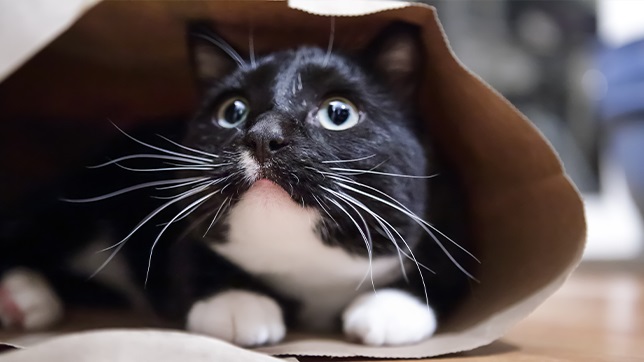
What triggers stress and anxiety in cats?
Cats can experience stress and anxiety for many different reasons, and understanding these triggers is the first step in providing effective stress relief for your cat.
While every feline is unique, certain situations, environments, and changes are more likely to unsettle them. These can include:
- Sudden noises, such as fireworks, storms, or loud household sounds
- Changes in routine, including altered feeding times, new schedules, or disruptions in daily activity
- New environments or unfamiliar people, like visitors, moving house, or vet trips
- Conflict with other pets, especially in multi-cat homes where space or resources are limited
- Lack of environmental enrichment, leading to boredom or frustration
- Over-handling or unwanted interaction, which can overwhelm more sensitive cats
- Changes to their territory, such as new furniture, redecorating, or restricted access to key spaces
Research highlights that cats rely heavily on scent to understand their surroundings, so unfamiliar smells, new animals, or changes in household scent can all trigger anxiety.
How do I know if my cat is stressed or nervous?
It’s not always easy to spot when your cat is feeling stressed. Cats can be remarkably good at hiding stress, but there are still some indicators that you can look out for.
Common signs your cat is anxious include:
- Freezing on the spot
- Making themselves small or hiding
- Running away
- Puffing their fur and arching their back
- Tucking their tail between their legs
- Hissing
- Biting or scratching
- Not being able to reach the litter tray in time
In most cases, these are temporary reactions to a stressful trigger, and there’s no need to worry. However, sometimes your cat’s stress is chronic (long-term), which may be more difficult to spot.
Signs of long-term stress can include:
- Increased hiding
- Overgrooming
- Reduced play
- Changes in appetite or toilet habits
Important: If your cat is severely stressed and it’s causing more concerning symptoms — such as a blocked bladder, persistent accidents, refusing food, vomiting, or becoming unusually withdrawn or aggressive — get in touch with your vet straight away.
Is my cat just hyperactive?
Some cats, especially kittens and young adults, are naturally energetic and playful. Short bursts of running around (“zoomies”), pouncing, or sudden play sessions are usually normal signs of a healthy, curious cat.
However, if your cat’s activity feels constant, frantic, is paired with aggression, or any other warning signs (even after plenty of enrichment), this may signal stress or anxiety rather than simple playfulness.
Keep an eye on any behavioural patterns and talk to your vet if you're unsure.
When do cats calm down?
Many cats begin to relax a little as they transition from kittenhood to adulthood. This is usually between 1 and 2 years of age.
That said, a calmer demeanour shouldn’t be expected as guaranteed. Some adult cats remain playful and curious, especially depending on their breed or personality!
If you’re unsure whether your cat’s behaviour is normal or might point to stress, it’s always a good idea to check with your vet, especially if changes are sudden or accompanied by other worrying signs like those explored earlier.
How to calm your cat
Every feline is unique, so learning how to calm your cat down can take some practice, and it may involve a combination of techniques. Fortunately, there are some simple steps you can take at home to help make your cat feel less stressed and anxious.
7 ways to calm your cat
1. Create a relaxing environment
Whether it’s ensuring they have a cosy bed and are warm, or having access to toys and scratching posts, you want to make sure your cat is comfortable in its surroundings.
2. Work out what triggers their anxiety
Try to find out what makes your cat scared. Once you know, you can remove any triggers and preempt when something is about to happen that causes anxiety.
3. Give them space
Some cats like a fuss, whereas others prefer to be left alone. Make sure you respect your cat’s wishes. You can read more about different cat breeds and their preferences here.
4. Put on the TV or play soft music
Cats have sensitive hearing, which means loud outside noises like fireworks can scare them. Turning on the TV or playing music to drown out the noise outside can help to provide gentle stress relief for cats.
5. Stay calm
Cats are likely to pick up on your stress. So try to remain calm in front of them.
6. Stick to a routine
All pets like routine, so make sure you’re consistent with your cat and don’t throw too many surprises their way.
7. Introduce new things slowly
If you do make any changes to your home or adapt your cat’s daily routine, then make sure you approach any change with caution and act slowly.
Top tip: Ensure your cat is microchipped. Since 10th June 2024, it is compulsory to have your cat microchipped from 20 weeks of age. This has increased the chances of your feline friend being reunited with you should they get scared and run away or get lost.
Pheromone products and natural aids
Synthetic pheromone diffusers and sprays (like those based on the F3 facial pheromone) can help to relax your cat because they’re designed to create a sense of familiarity in the home. Some cats also respond well to natural calming aids such as:
- Catnip or silver vine
- Herbal calming supplements
- L-theanine or tryptophan-based treats
It’s important to keep in mind that these won’t work for every cat, but many owners find them a helpful part of their daily calming routine.
Take a look at our guide to top calming products for cats for some of our tried and tested supplements, toys, and more.
How to calm a kitten down
Kittens are still learning how to behave, rest, and process new experiences, so their energy levels can seem non-stop. This is just a normal part of their development, and it’s important to be patient with them as they learn to regulate their behaviour.
However, there are a few things you can do to make an overexcited or anxious kitten more calm and comfortable at home:
- Offer short, structured play sessions: Kittens do best with short bursts of gentle, focused play rather than long sessions. Using wand toys, soft balls or feather teasers lets them practice their hunting skills in a safe, controlled way, which helps release energy without overwhelming them.
- Create a calm space: Setting up a cosy, kitten-sized safe space — like a covered bed, snug blanket, or a small box hideaway — encourages them to slow down and recharge when they’re becoming tired or overstimulated.
- Avoid overstimulating games: Because kittens are learning boundaries, fast or rough play can quickly tip into nipping, pouncing, or scratching. Gentle movements, regular pauses, and calm handling help teach them how to transition from excited play back to relaxation.
If your kitten’s behaviour seems unusually restless or they struggle to settle even with calm routines, it may be worth speaking to a vet or behaviourist for extra guidance.
Tips for calming your cat at night
If you’re wondering how to calm a cat at night, especially if they’re meowing a lot, then there are some specific night-friendly tips you can try.
3 ways to calm your cat at night:
- Keep your bedroom door shut: Allowing your cat into your bedroom may seem like a cute idea, but it can prevent them from feeling tired and keep them in a playful mood.
- Create a safe space for them to sleep: Make sure their bed and chosen space are as comfortable as possible and they feel safe.
- Increase playtime during the day: Make sure they’re worn out every night by playing with them more during the day. Hopefully, this will make them exhausted come bedtime.
Calming your cat in the car
The next time you’re transporting your cat in the car, you can make sure it’s a stress-free ride by doing the following.
3 ways to calm your cat in the car:
- Take short test drives: Ensure they’re comfortable travelling in a car so it becomes second nature to them. The more familiar the car is, the less scary it should be.
- Give them treats: Like with humans, tasty treats can help to make sure your cat is content and purring all the way.
- Make sure they’re tired before they travel: Play with them the day of travel and before they get in the car to try and make them tired. Hopefully, they’ll then sleep for most of the journey.
How to soothe a cat in heat
Your cat will start to behave differently when she’s in heat. You should follow the below steps to keep her calm and stress-free.
How to calm a female cat in heat:
- Isolate them from male cats: Your cat will be more excitable in the presence of a male cat and run the risk of becoming pregnant if allowed to mate. Make sure she doesn’t try to escape your home and gets lost or injured.
- Use natural remedies and pheromones: Natural remedies like catnip, L-theanine, and Feliway can all help to keep your cat calm when in heat. Make sure you do your research before you buy.
- Keep their litter box clean: Cats may spray urine against vertical surfaces when they’re in heat to communicate with male cats. Try to keep their litter box clean to encourage them to use that instead. Not to mention the fact that a dirty litter box is unpleasant for your kitty!
What happens if my cat won’t calm down?
If your cat continues to show signs of anxiety despite your efforts to help them relax, they may be experiencing chronic stress. This can lead to ongoing behavioural problems as well as affecting their overall health.
At this stage, it’s best to speak to a vet or a qualified behaviourist. They can help identify underlying causes, create a tailored behaviour plan, and recommend any medical or environmental interventions your cat may need.
Conclusion
Now you know more about how to calm your cat, you’ll be better equipped to support them through stressful moments and help them feel safe, settled, and understood.
By keeping an eye on changes in their behaviour and using the calming tips in this guide, you can make a big difference to your cat’s overall wellbeing.
Also, because even the calmest cats can act unpredictably when they’re frightened, it’s worth considering how you might protect them should an accident or illness occur.
Having cat insurance in place can provide peace of mind that you’re covered if the unexpected happens.
Related resources:

Looking for more cat advice?
We’ve written some handy cat advice guides, to help you unlock the secrets of your mysterious moggy.

Need cat insurance?
Cat insurance can help cover the cost of veterinary treatment if your cat gets injured or falls ill.
We know pets
Here at Animal Friends Insurance, we're multi-award winning, with a passion to create a better life for every animal.
Since we were founded over 25 years ago, we protect the nation’s pets, while also making a difference to animal welfare and our planet. Thanks to you, we've donated over £10 million to more than 830 animal welfare charities and conservancies, helping to support vulnerable pets and wildlife around the world.
We’re proud to offer pet insurance that helps make a difference to the lives of animals everywhere.
The charitable work undertaken by Animal Friends Insurance is not regulated by the Financial Conduct Authority.