Munchkin cat breed guide
Learn all about the unique Munchkin cat, from breed facts to behaviour, potential health problems, care needs, costs, and more.
10th July 2026
Munchkin cat breed information
Find out everything you need to know about the Munchkin cat in this comprehensive guide.
Here's what you'll discover:
Size
15-20cm

Lifespan
12-15 years
Weight
Female: 2-4kg
Male: 3-4.5kg

Temperament
Friendly, sociable, playful, confident, curious

Coat Type
Short or long-haired, variety of colours and patterns including black, white, blue, cream, tabby, tortoiseshell, bi-colour, and colourpoint

Possible Health Conditions
Osteoarthritis, lordosis, pectus excavatum, mobility-related issues
Understanding dwarfism in Munchkin cats
The defining feature of the Munchkin cat is its short legs, which are caused by a natural genetic mutation that affects bone growth. This is often referred to as disproportionate dwarfism (or chondrodysplasia), and is sometimes referred to as the ‘Munchkin gene’.
Research has identified a genetic variant linked to this trait, which affects how the bones in the legs develop. Cats with one copy of the gene will have the characteristic short-legged appearance, while kittens with two copies do not typically survive til birth.
This highlights the importance of responsible breeding. Understanding this can help you make informed decisions about your cat’s health and wellbeing.
Temperament and behaviour
Munchkins are known for their playful, outgoing personalities and affectionate behaviour. Despite their shorter legs, these cats are energetic and curious, often described as confident explorers who enjoy interacting with their owners.
They’re typically sociable and can get along well with children and other pets, making them a good choice for many households. Munchkins are also intelligent cats that enjoy interactive toys, games, and problem solving activities.
Munchkin health issues
While many Munchkin cats live happy and healthy lives, there are some health issues linked to their unique build and genetics – often related to the bones and joints.
Based on our 2025 claims data and vet cost averages, here are the top three conditions claimed for by Munchkin owners:
- Vomiting and diarrhoea – with an average claim of £1,009
- Inflammatory bowel disease – with an average claim of £515
- Respiratory condition – with an average claim of £1,548
Your cat isn’t guaranteed to experience these issues, but regular vet care and a healthy lifestyle can help support their long term wellbeing.
Osteoarthritis is one of the most common health issues discussed in Munchkin cats, particularly as they get older.
Because of their limb structure, some experts note that their joints may experience increased wear over time. Cats may appear stiff, move less, or become reluctant to jump and climb. Some may also seem more withdrawn due to discomfort.
Diagnosis usually involves a physical exam and imaging such as X-rays. While there’s no cure, it can often be managed with medication, weight control, and small changes at home to reduce strain.
Lordosis is a spinal condition where the back curves inward more than normal. It has been reported in some Munchkin cats.
Mild cases may not cause problems, but more severe cases can affect movement or, rarely, breathing. You may notice a visible dip in the spine or reduced comfort during activity.
Diagnosis is typically made using imaging such as X-rays. Treatment depends on severity. Mild cases may only require monitoring, but where symptoms are present, management may include pain relief, anti-inflammatory medication, and lifestyle adjustments to reduce strain on the spine.
Pectus excavatum is a condition where the chest appears sunken (also known as ‘funnel chest). Some cats show no obvious symptoms at all, and can lead a healthy life. However, in more serious cases, it can affect breathing and stamina. You may notice signs such as faster breathing, tiring easily, or reduced activity levels.
The condition is usually diagnosed through examination and imaging such as X-rays. In moderate cases, vets may recommend supportive care, including monitoring breathing and maintaining a healthy weight. In more severe cases, surgery may be considered.
Because of their shorter legs, Munchkin cats move differently to other breeds. They may jump less and rely more on climbing or using steps, which is worth considering when setting up your home.
Some Munchkin cats may experience mobility issues later in life due to the increased strain on their bones and joints. Helping your cat to maintain a healthy weight, attending regular vet check-ups, and providing easy access around the home can help support joint health and overall comfort.
What are the average costs of keeping a Munchkin cat?
The initial cost of a Munchkin cat can vary depending on the breeder, pedigree, and location, typically starting from around £500 and reaching up to £2,000 or more.
Ongoing costs include food, grooming, routine vet care, vaccinations, and parasite prevention. On average, you can expect to spend around £1,500 per year, which can add up to approximately £13,000 to £16,500 over their lifetime.
Many Munchkin owners consider pet insurance as a way to help cover unexpected vet bills, particularly given the breed’s potential health considerations.
Grooming
Because of their shorter legs, some Munchkin cats may find it harder to groom themselves properly, particularly in hard-to-reach areas like their back and tail. Regular brushing can help keep their coat clean, reduce matting, and support overall skin health.
Long haired Munchkin cats will need brushing several times a week to prevent tangles, while short haired Munchkins require less frequent grooming.
It’s also a good idea to check their ears regularly for signs of wax buildup or irritation, and to keep their claws trimmed to prevent snagging or discomfort. Getting them used to grooming from a young age can make the process easier for both of you.
Exercise
Despite their shorter legs, many Munchkin cats are still able to run, play, and move around comfortably, although they may not jump as high as other breeds. They often enjoy chasing toys, running, and interactive games.
Climbing structures with lower platforms can help them stay active while moving safely, without putting too much strain on their joints.
Enrichment
Munchkin cats are intelligent and curious by nature, so keeping their minds engaged is just as important as physical activity. Interactive toys, puzzle feeders, and accessible climbing areas can all help provide mental stimulation.
They tend to enjoy human interaction, so regular playtime and attention can go a long way in preventing boredom. Rotating toys and introducing new activities can also help keep things interesting and encourage natural behaviours like hunting and problem solving.
Diet
Maintaining a healthy weight is especially important for this breed, as excess weight can place additional strain on joints and mobility. Even small amounts of weight gain can have a bigger impact on Munchkins due to their body structure.
Feeding your cat a high quality, balanced diet and sticking to consistent portion sizes can help keep your cat in good condition. Some Munchkins may also find it more comfortable to eat from wider, shallower bowls due to their shorter legs.
Regularly monitoring your cat’s weight and checking in with your vet can help ensure they stay healthy throughout their life.
Origins of the Munchkin cat
The Munchkin cat breed originated from a naturally occurring genetic mutation that results in shorter legs. While short-legged cats have been recorded throughout history, the modern breed is believed to have originated in Louisiana, USA in the 1980s.
Their growth in popularity has led to their recognition by The International Cat Association, however, the breed is not accepted by some other major organisations.
Munchkin cats are sometimes bred with other breeds to help maintain genetic diversity, which can also influence their appearance and coat types.
Did you know?
The breed’s name was inspired by the ‘Munchkins’ from The Wizard of Oz – fictional characters known for their shorter stature.
A playful and affectionate companion
Munchkin cats are affectionate, playful, and curious. They enjoy being around people and often form strong bonds with their owners. Their sociable nature means they can thrive in households where they get plenty of interaction and attention.
A breed with special considerations
While they’re charming cats, Munchkins do have some unique care considerations. Their short legs are linked to a genetic mutation, which can affect mobility and may increase the risk of certain health issues. They may also benefit from a home environment adapted to support easy movement, such as lower climbing spaces and occasional help with grooming.
Best suited to attentive owners
Munchkin cats are a great choice for owners who are happy to provide regular care, enrichment, and ongoing attention to their health. If you’re prepared to meet their needs and stay proactive with vet care, they can be a loving and rewarding addition to your home.
Munchkin FAQs
Munchkin cats can make affectionate and playful companions, particularly for owners who can give them plenty of attention. They’re sociable, curious, and often enjoy being involved in family life.
However, because of their unique body structure and potential health considerations, they’re best suited to owners who understand their care needs and are prepared to keep an eye on their health.
Munchkin cats aren’t especially high maintenance when it comes to grooming, but they may need a bit more attention in terms of their health and mobility.
Regular grooming, a balanced diet, and consistent vet check-ups are important, particularly as their body structure can place extra strain on their joints. Providing a suitable home setup can also help support their wellbeing.
Owning a Munchkin cat is a personal choice, but it’s important to be aware that their short legs are caused by a genetic mutation, which can be linked to health and mobility challenges.
Responsible ownership means understanding these risks, choosing a reputable breeder or considering adoption, and committing to ongoing care to support your cat’s quality of life.
A responsible breeder will prioritise the health and welfare of their cats. This includes carrying out health checks, being open about the breed’s genetic risks, and avoiding breeding cats with known health issues.
You should be able to meet the kitten’s mother, see the living conditions, and receive clear information about the kitten’s background, vaccinations, and early care.
Similar cat breeds:
- Abyssinian – Although physically different, they are known for being very social and friendly.
- Devon Rex – Mischievous and highly affectionate, these two breeds both share energetic and loving personalities.
- Sphynx – Another extroverted cat breed that enjoys playing and being adventurous.
Related articles:
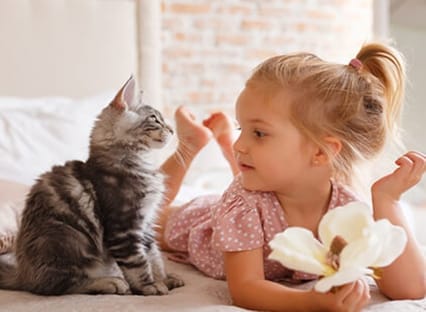
Cat insurance
Cat insurance can help cover the cost of veterinary treatment from as young as 4 weeks old.
Refer a friend
Get your friends involved and you’ll both get a £40 voucher! T&C's apply
Treats for you, and your furry friends
At Animal Friends, you have access to exclusive discounts and offers through your online account!