
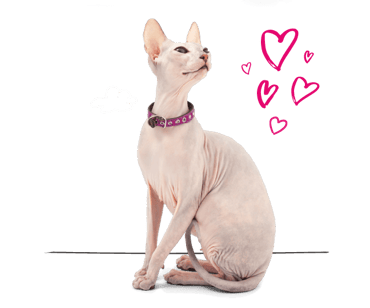
Sphynx cat breed guide
Learn all about the energetic and affectionate Sphynx cat, from breed facts to behaviour, potential health problems, care needs, costs, and more.
10th July 2026
Sphynx cat breed information
Curious about the Sphynx cat? With the help of this guide, you'll know everything about this popular breed.
Here's what you'll discover:
Size
20-25cm

Lifespan
8–14 years

Weight
Female: 2.7–4kg
Male: 3.6–5.4kg

Temperament
Energetic, intelligent, social, inquisitive

Coat Type
Hairless (often covered in a fine, peach-like fuzz)

Possible Health Conditions
Hypertrophic cardiomyopathy (HCM), hereditary myopathy, skin conditions, ear infections
Temperament and behaviour
Sphynx cats are best known for their extroverted, high-energy nature and intensely affectionate personality. They thrive on human contact and will often follow you from room to room.
Generally excellent with children and other pets, Sphynx cats suit active households. Unlike more independent breeds, they crave physical warmth and will almost always choose to curl up on your lap, sit on your shoulders, or sleep under the covers with you to share your body heat.
Sphynx health problems
Sphynx cats are generally healthy and hardy, but their unique physiology means they face specific risks.
Based on our 2025 claims data and average veterinary treatment costs, some of the issues more commonly identified in this breed include:
- Vomiting and diarrhoea – with an average claim of £766
- Heart disease – with an average claim of £945
- Heart murmur – with an average claim of £855
Your cat won't necessarily experience any of these health issues. Always try to stick to routine vet check ups and take the required steps to support their wellbeing.
Hypertrophic cardiomyopathy (HCM) is a condition where the heart muscle thickens, making it harder for the heart to pump blood effectively. Sphynx cats are known to have a higher predisposition to HCM, often leading to heart failure if untreated. The early signs include rapid breathing, decreased activity, or sudden collapse during physical exertion.
There is no cure for HCM, but it can be managed with medication, including beta-blockers and calcium channel blockers, to help control heart rate and improve heart function. Annual echocardiograms (ultrasounds of the heart) are crucial for breeding cats to monitor the progression of the disease. Early detection through regular checkups can improve quality of life and longevity.
Sphynx cats are prone to various skin issues due to their lack of fur, which normally absorbs excess oils. Without proper care, this can lead to oily buildup, blackheads, and skin infections. Urticaria Pigmentosa is a rare condition in Sphynx cats that manifests as crusty, pigmented sores.
If you notice your Sphynx cat scratching excessively, developing scabs, or patches of rough, darkened skin, these could be signs of skin infection or urticaria pigmentosa. Blackheads and greasy, yellowish skin may indicate an oil buildup.
Regular grooming and skin checks are vital for prevention. Bathing your Sphynx cat weekly with a gentle pet shampoo helps prevent oil buildup. Urticaria pigmentosa may require treatment with corticosteroids to reduce inflammation and control symptoms. If skin lesions become infected, antibiotics may be necessary.
Sphynx cats are more susceptible to ear infections because they lack the protective fur in their ear canals, leading to a buildup of wax, dirt, and debris. If left uncleaned, this can lead to ear infections or mites.
The most common signs of ear infections in Sphynx cats include shaking of the head, scratching the ears, and the presence of dark, waxy discharge. If the infection is severe, your cat may also show signs of pain or sensitivity when touching the ears.
Regular cleaning is the best preventive measure. Clean your cat's ears weekly using a gentle ear cleaning solution recommended by your vet. If an infection is suspected, it's important to visit the vet, as they may prescribe ear drops or antibiotics.
Hereditary myopathy is a rare genetic disorder that causes muscle weakness, particularly affecting Sphynx cats and their close relatives. This condition impairs the cat's ability to walk, and in severe cases, they may struggle to hold their head up.
The primary symptom is difficulty walking, including stumbling or an unsteady gait. Affected cats may also struggle with jumping or climbing. Over time, they may develop muscle wasting or a hunched posture.
There is no cure for hereditary myopathy, but early diagnosis can help manage the symptoms. A responsible breeder will screen for this genetic condition to prevent passing it on to future litters. Treatment may include physical therapy to improve mobility and prevent muscle atrophy. If symptoms worsen, supportive care like a harness for walking may be beneficial. Regular vet visits are essential to monitor progression.
What are the average costs of keeping a Sphynx?
The cost of owning a Sphynx cat can be higher than many other breeds, both upfront and in ongoing care. In the UK, prices for a Sphynx kitten from a reputable, health-tested breeder typically range from £800 to £2,000. The higher price reflects the breeder's investment in health screening and ensuring that the kittens are well-socialised and vaccinated before going to their new homes.
Beyond the initial cost, Sphynx cats come with higher monthly expenses. Due to their high metabolism and lack of fur, they require more food than a furred cat of the same size, leading to higher monthly feeding costs. Expect to spend £15-£20 per month on high-quality, protein-rich food to support their nutritional needs.
Sphynx cats also need specialised skin cleansers and moisturisers, which can cost £10 to £30 per month.
Routine veterinary care, including vaccinations, neutering, and annual health checks, is also essential. The average annual cost for maintaining a Sphynx cat can be over £600. Sphynx cats are prone to certain health conditions, so regular vet visits are necessary for early diagnosis and treatment.
All of these costs, from food to skin care, should be factored into your yearly budget to ensure that your Sphynx cat lives a happy and healthy life.
Bathing
Grooming is essential for Sphynx cats, as they lack fur to absorb the oils their skin produces. To prevent skin irritation and oil stains on furniture, they need weekly baths with gentle shampoo. This helps remove the buildup of oils, keeping their skin healthy and preventing issues such as acne or rashes. Regular bathing also contributes to their overall hygiene and comfort.
Exercise
Sphynx cats are highly active and intelligent, requiring plenty of physical and mental stimulation. They thrive in environments with vertical space for climbing and exploring. Interactive toys and puzzle feeders are great for keeping their brains busy. As very social cats, they may become lonely or bored if left alone for extended periods. Regular playtime and mental challenges are important to ensure they remain happy and engaged.
Temperature control
Sphynx cats have no fur to keep them warm, so they are more sensitive to temperature fluctuations. If you feel cold, your Sphynx likely does too. They often need extra warmth in cooler months, which can be provided with cat sweaters and heated beds. On the flip side, they are also at risk of sunburn due to their exposed skin, so it's crucial to protect them from direct sunlight, especially during warmer months.
Diet
Sphynx cats have a high metabolism, meaning they need a calorie-dense, high-protein diet to maintain their energy levels. Feeding them high-quality, protein-rich food helps support their muscle mass and overall health. It's important to provide them with balanced meals to ensure they meet their nutritional needs, and regular feeding schedules will help keep them at a healthy weight.
Origins of the Sphynx cat
The Sphynx is a relatively modern breed that originated in Canada in 1966. It began with the birth of a hairless kitten named Prune, the result of a natural genetic mutation. Breeders then selectively bred these cats to domestic shorthairs to create the genetically diverse and robust hairless breed known today.
The Sphynx was developed specifically for companionship. Because they lack a coat to protect them from the elements, they have always been kept as indoor-only pets. The breed was eventually recognised by major organisations in the early 2000s.
Today, the Sphynx is admired worldwide for its alien-like features, large ears, and dog-like devotion to its owners.
Did you know?
Despite their lack of fur, Sphynx cats actually have a higher body temperature than most other breeds to compensate for their lack of insulation. This gives them a "hot water bottle" feel when you hold them!
An affectionate, "always-there" companion
The Sphynx cat is perfect for someone seeking a loving, "shadow-like" companion. These cats thrive on constant human interaction and enjoy being physically close to you. If you're looking for a cat that always wants to be by your side, the Sphynx will be a perfect match.
High maintenance grooming needs
Sphynx cats require weekly baths to manage their skin oils, along with regular ear cleaning and nail trimming. Their grooming needs are higher than most breeds, so if you prefer a low-maintenance pet, this might not be the breed for you. Be prepared for a hands-on grooming routine.
Great for active households
Thanks to their playful nature, Sphynx cats are great for families with children or other pets. They are social, curious, and often love meeting new people. If you have a lively household, the Sphynx will fit right in, providing entertainment and companionship for everyone in the family.
Sphynx FAQs
No. Most allergies are caused by the Fel d 1 protein found in saliva and skin oils. Since Sphynx cats still lick themselves and produce oil, they can still trigger allergies. However, because they don't shed fur, some people with mild allergies find them more tolerable.
Due to their anatomy and physiology, they should be indoor cats. Their lack of fur makes them vulnerable to predators, sunburn, and extreme temperatures. They are perfect for apartment living as long as they have plenty of room to play.
They do not shed fur. However, they do produce oils that can leave "smudges" on light-colored fabrics if they are overdue for a bath.
Yes, Sphynx cats can be considered high maintenance due to their unique care needs. While they don't have fur to groom, they require regular bathing to remove oils that would normally be absorbed by their coat.
Sphynx cats also require frequent ear cleaning and eye care. Despite these extra tasks, their affectionate and playful nature makes them well worth the effort for dedicated owners.
Similar cat breeds:
- Siamese – Another communicative and people-orientated breed, which enjoys regular human interaction.
- Devon Rex – Both have large ears and slender bodies, and enjoy plenty of attention and affection.
- Burmese – While very different in appearance, this breed is equally playful and devoted to its owners.
Related articles:
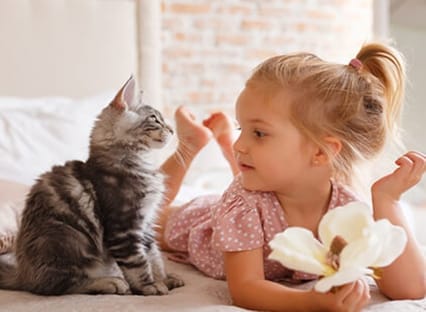
Cat insurance
Cat insurance can help cover the cost of veterinary treatment from as young as 4 weeks old.
Refer a friend
Get your friends involved and you’ll both get a £40 voucher! T&C's apply

Treats for you, and your furry friends
At Animal Friends, you have access to exclusive discounts and offers through your online account!