
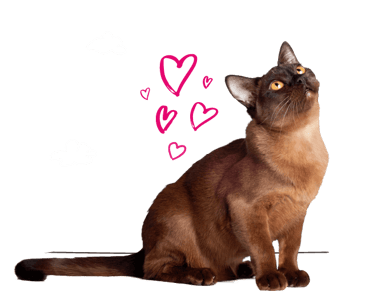
Burmese cat breed guide
Learn more about this energetic breed, including their personality, exercise needs, common health issues, and tips for caring for a Burmese cat.
30th July 2026
Burmese cat breed information
Intrigued by the Burmese cat? This guide covers everything you need to know.
Here's what you'll discover:

Size
25–30cm

Lifespan
10-18 years

Weight
Female: 3-5kg
Male: 5-7kg

Temperament
Affectionate, playful, intelligent, social

Coat Type
Short, sleek, silky coat in sable, blue, chocolate, lilac, red, and cream shades

Possible Health Conditions
Diabetes mellitus, hypokalaemic polymyopathy (BHP), flat-chested kitten syndrome, orofacial pain syndrome
Temperament and behaviour
The Burmese cat has a curious, confident, and playful temperament. These cats thrive on companionship and usually enjoy spending time with people, making them well suited to families or owners looking for a highly engaging pet. They are typically described as “dog like”, and enjoy following their owners around the home and being involved in everyday activities.
Burmese cats are also active and intelligent, so they often enjoy climbing, exploring, and interactive games. Many remain playful well into adulthood and benefit from regular mental stimulation and attention. It’s important to keep in mind that because they form strong bonds with their families, Burmese cats may dislike being left alone for long periods.
Burmese cat health issues
Burmese cats are generally considered a healthy and long-living breed, but like all cats, they can be prone to certain genetic and breed-related health conditions. Some of these conditions are linked to the breed’s genetics, which is why responsible breeding and health screening are important.
Based on our 2025 claims data and vet cost averages, here are the top three conditions claimed for by Burmese cat owners:
- Osteoarthritis – with an average claim of £993
- Vomiting and diarrhoea – with an average claim of £967
- Kidney disease – with an average claim of £873
While some health conditions may be more commonly associated with the Burmese cat, every cat is unique and may never experience any of these issues.
Research has shown that Burmese cats may have a higher risk of developing diabetes mellitus compared to some other breeds. Diabetes occurs when the body cannot properly regulate blood sugar levels. Symptoms may include:
- Increased thirst
- Increased urination
- Weight loss
- Increased appetite
- Lethargy
Treatment may involve insulin injections, dietary management, oral medication, and maintaining a healthy body weight. Regular vet check-ups can help with early diagnosis and ongoing monitoring.
Hypokalaemic polymyopathy is a genetic condition seen in Burmese cats that causes low potassium levels, leading to muscle weakness and mobility issues. Affected cats may develop:
- Weakness
- Difficulty walking
- Head and neck weakness
- Tremors
- Fatigue
Treatment often involves potassium supplementation and ongoing monitoring. With appropriate management, many affected cats can continue to live comfortably.
Genetic testing is available for this condition, helping breeders reduce the risk of affected kittens.
The Burmese craniofacial defect is a rare but severe genetic condition linked to certain Burmese breeding lines. It affects the development of the skull and face in kittens and is caused by a specific genetic mutation associated with the ALX1 gene.
Kittens born with two copies of the mutation develop serious facial and skull abnormalities that are unfortunately incompatible with life. Because cats carrying the mutation may appear completely healthy, it’s important for prospective owners to choose a responsible breeder who carries out appropriate genetic health testing.
Responsible breeders should be open about health screening and able to provide information about the kitten’s parents and breeding lines to help reduce the risk of genetic conditions.
Orofacial pain syndrome is a neurological condition that has been reported in Burmese cats. The condition can cause episodes of pain or discomfort affecting the mouth and face.
Cats may excessively lick, chew, or paw at their mouth, appear distressed, or show unusual jaw movements during flare ups. Episodes can vary in severity and duration between cats.
If you notice signs of facial discomfort or repetitive mouth-related behaviours, it’s important to seek veterinary advice for assessment and management.
Like many indoor and highly food-motivated cats, Burmese cats can be prone to weight gain if their diet and activity levels are not carefully managed. Maintaining a healthy body weight is especially important in this breed, as obesity may increase the risk of other health problems such as diabetes mellitus, joint strain, and reduced mobility.
Dental disease can affect many cats, including Burmese cats. Plaque and tartar build-up may lead to gum inflammation, discomfort, bad breath, and difficulty eating.
Regular dental care, including vet check-ups and tooth brushing where possible, can help support your cat’s oral health and reduce the risk of more serious dental problems developing over time.
What are the average costs of keeping a Burmese cat?
The cost of buying a Burmese cat can vary depending on factors such as breeder reputation, pedigree, age, and location. In the UK, Burmese kittens typically cost between around £450 and £1,500.
Beyond the initial purchase price, owners should also budget for ongoing expenses such as high-quality cat food, litter, toys, scratching posts, vaccinations, parasite prevention, dental care, and routine vet check-ups.
On average, cat ownership can cost around £1,500 per year, with lifetime costs potentially reaching £13,000 to £16,500 or more depending on your cat’s health and care needs.
Many owners also choose to take out Burmese cat insurance to help cover the costs of unexpected accidents or illnesses.
Grooming
The Burmese cat’s short, silky coat is low maintenance and usually only needs weekly brushing to remove loose hair and maintain its glossy appearance. Grooming is also a good chance to check their ears, eyes, and teeth for signs of irritation or infection.
Exercise
The Burmese cat is an active and playful breed that enjoys climbing, jumping, and interactive games. Cat trees, puzzle feeders, and wand toys can help keep them mentally and physically stimulated. Because Burmese cats are curious and sociable, many owners choose to keep them indoors or provide secure outdoor access using enclosed cat runs or cat-proof gardens.
Enrichment
Burmese cats are intelligent and social, so they need plenty of mental stimulation and attention. Interactive toys, scratching posts, training games, and window perches can help prevent boredom. Many Burmese cats also enjoy learning tricks and playing games like fetch.
Diet
Burmese cats benefit from a high-quality, balanced diet that supports their energy levels and muscle tone. Because the breed may be more prone to diabetes than some other cats, maintaining a healthy body weight is especially important. Feed your cat carefully measured portions and avoid too many high calorie treats.
Origins of the Burmese cat
The Burmese cat breed traces its roots back to Burma (now Myanmar), where cats with similar appearances were believed to have lived for centuries and were sometimes associated with temples and monasteries. The modern Burmese breed was developed in the United States during the 1930s after a dark brown cat named Wong Mau was bred with Siamese cats.
Selective breeding helped establish the affectionate, muscular, and sleek-coated Burmese cat we know today. The breed later arrived in the UK in the late 1940s, where breeding programmes continued, leading to the development of slightly different features between the British and American Burmese cats, with British Burmese cats typically having a more slender build and finer facial features.
Did you know?
The Burmese has contributed to the development of several popular cat breeds, including the Bombay, Burmilla, and Tonkinese. The breed’s affectionate personality, sleek coat, and striking appearance made it a popular choice in selective breeding programmes.
A highly sociable and loving companion
Burmese cats are known for their loving and people-oriented nature. They often form strong bonds with their owners and enjoy being involved in everyday family life, whether that’s following you around the house or curling up beside you to relax.
A feline that needs time and attention
Burmese cats typically need regular interaction and mental stimulation to stay happy. They may not be the best choice for owners who are away from home for long periods, as some Burmese cats can become bored or lonely without enough company and enrichment.
Best suited to owners who can offer companionship
Because Burmese cats are such sociable pets, they’re often happiest in homes where they’ll have plenty of company and attention. They may be well suited to multi-pet households or owners who spend lots of time at home.
Burmese cat FAQs
Burmese cats are popular pets because of their affectionate, playful, and people-oriented personalities. They are known for forming strong bonds with their owners and often enjoy following family members around the home and joining in with everyday activities.
Their sleek coat, expressive eyes, and sociable nature also make them appealing to many cat owners. Burmese cats are often described as intelligent, curious, and interactive, making them a great choice for people looking for a highly engaging companion.
Yes, Burmese cats are known for being quite vocal and communicative. They often enjoy “talking” to their owners using soft, expressive meows and may seek attention throughout the day.
Although they are generally less loud than Siamese cats, Burmese cats are still considered a chatty and social breed that enjoys interaction and companionship.
Burmese cats are highly social and generally prefer company, so they may not enjoy being left alone for long periods regularly. Because they form strong bonds with their owners, some Burmese cats can become bored or lonely without enough interaction and stimulation.
Providing toys, climbing spaces, and regular playtime can help keep them entertained, and some owners choose to keep Burmese cats alongside another compatible pet for companionship.
Male and female Burmese cats can both make wonderful pets, and personality often depends more on the individual cat than their sex. In general, male Burmese cats are sometimes described as slightly more outgoing and attention-seeking, while females may be a little more independent, although this can vary between cats.
Factors such as early socialisation, environment, and neutering are usually more important in shaping temperament than whether a cat is male or female. Spending time with a kitten or speaking to a breeder about personality can help you find the right match for your household.
Similar cat breeds:
- Bombay – Developed by crossing American Shorthairs with Burmese cats, they share very similar temperaments.
- Siamese – Highly affectionate, intelligent, and vocal Southeast Asian cat breeds that are deeply loyal.
- Birman – Both breeds have historical roots in Myanmar (formerly Burma) and dog-like personalities.
Related articles:
Cat insurance
Cat insurance can help cover the cost of veterinary treatment from as young as 4 weeks old.

Refer a friend
Get your friends involved and you’ll both get a £40 voucher! T&C's apply

Treats for you, and your furry friends
At Animal Friends, you have access to exclusive discounts and offers through your online account!