26th August 2026
Common health problems in cats
Cats can develop a range of health conditions throughout their lives, from short-lived illnesses that clear up with little treatment to chronic conditions that require ongoing care.
While some health issues are more likely to affect cats as they age, factors such as breed, genetics, lifestyle, and whether they live indoors or outdoors can all influence their overall health and wellbeing.
In this guide, we'll look at some of the most common health problems in cats, including the signs and symptoms to watch for, as well as health risks linked to age and breed.
Understanding what to look out for can help you support your feline friend and keep them healthy for years to come.
Contents:
- What are the most common health problems in cats?
- Types of cat health problems
- Common health problems in cats by breed
- Common health problems in cats by age
- Male vs female cat health conditions
- How do I know if my cat is unwell?
- When should I contact a vet?
- How can I help prevent health problems in my cat?
- FAQs
What are the most common health problems in cats?
In 2023, a large UK VetCompass study analysing the health records of more than 18,000 cats receiving primary veterinary care found that dental disorders were the most commonly diagnosed group of health conditions, affecting 21.2% of cats.
This was followed by obesity (11.6%), skin disorders (9.6%), digestive disorders (enteropathy) (8.5%), parasite infestations (6.3%), and heart disease (6.0%).
Other commonly diagnosed conditions in cats include urinary tract disease, chronic kidney disease, hyperthyroidism, and osteoarthritis, particularly as they get older.
Recognising the early signs of illness and attending regular veterinary check-ups can help detect many of these conditions before they become more serious.
| Health problem | Percentage of cats affected* |
| Dental disorders | 21.2% |
| Obesity | 11.6% |
| Skin disorders | 9.6% |
| Digestive disorders (enteropathy) | 8.5% |
| Parasite infestations | 6.3% |
| Heart disease | 6% |
*Based on a study of 18,249 cats receiving primary veterinary care in the UK.
In the following sections, we'll take a closer look at these common health problems, along with other conditions that can affect cats throughout their lives, including how to spot the signs and when it's time to contact your vet.
You can find out more information about cat vet fees for the common health problems we’ve discussed in this article here.
Types of cat health problems
Dental and oral health conditions
Dental disease is one of the most common health problems affecting cats, with more than 1 in 5 (21.2%) cats diagnosed with a dental disorder in the UK VetCompass study. As cats get older, their risk of developing dental disease increases, making regular dental care an important part of keeping them healthy.
One of the most common dental conditions in cats is periodontal disease, which develops when plaque and tartar build up around the teeth and gums over time.
Tooth resorption is another painful dental condition that's particularly common in older cats. Because cats are good at hiding pain, the early signs of dental disease can be easy to miss.
Common signs of dental disease include:
- Bad breath
- Red or inflamed gums
- Difficulty eating or chewing
- Dropping food while eating
- Reduced grooming
- Weight loss
If left untreated, dental disease can become painful and affect your cat's quality of life. Regular dental check-ups, home dental care where appropriate, and advice from your vet can all help keep your cat's mouth healthy.
Learn how to clean your cat’s teeth at home to keep dental problems at bay.
Obesity
Obesity is one of the most commonly recorded individual health problems in cats, affecting around 11.6% of cats in UK primary veterinary care. Carrying excess weight increases the risk of developing other conditions, including diabetes, osteoarthritis, and urinary tract disease.
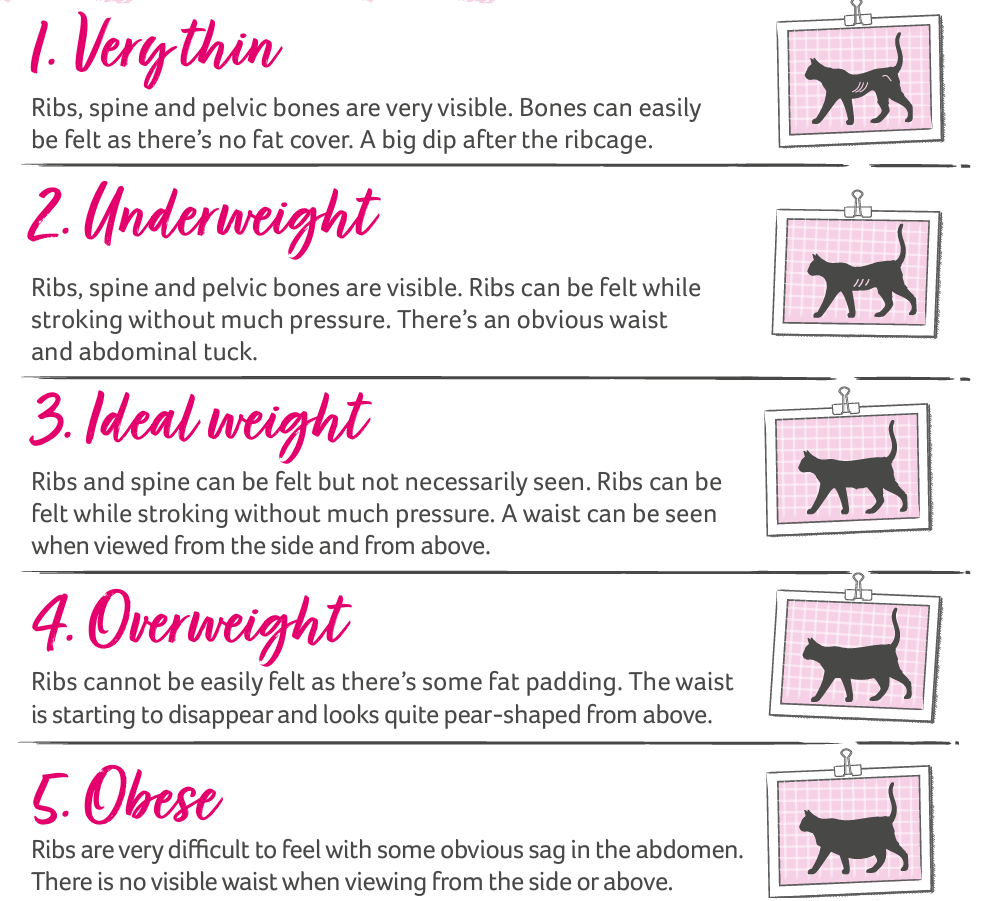
Signs that your cat may be overweight include difficulty feeling their ribs, a lack of a visible waist, and reduced willingness to jump or play.
Maintaining a healthy weight through appropriate portion sizes, regular play sessions, and enrichment activities can help support your cat's overall health throughout their life.
To assess your own cat's weight, you can use the scale below:
Skin conditions
Skin problems are another common reason cats visit the vet, affecting around 9.6% of cats receiving primary veterinary care in the UK. Skin conditions can develop for many reasons, including parasites, allergies, infections, or underlying medical conditions.
Common skin conditions in cats include:
- Flea allergy dermatitis
- Skin infections
- Mite infestations
- Environmental allergies
- Overgrooming caused by stress or discomfort
Signs of skin disease can include itching, excessive grooming, hair loss, flaky skin, redness, or sores. Some cats may groom so frequently that bald patches develop, even if you don't notice them scratching.
Regular flea prevention, routine grooming, and checking your cat's skin and coat for changes can help you spot problems early before they become more uncomfortable.
Digestive health problems
Digestive disorders affect around 8.5% of cats receiving veterinary care in the UK and can occur at any age. Many cases are short-lived, but persistent digestive problems may indicate an underlying health condition.
Digestive problems can develop for several reasons, including dietary changes, food sensitivities, infections, parasites, or chronic gastrointestinal disease.
Common digestive health problems in cats include:
Signs of digestive problems can include sickness, diarrhoea, changes in appetite, weight loss, or signs of abdominal discomfort. While occasional digestive upset isn't unusual, repeated vomiting or diarrhoea should always be discussed with your vet.
Parasites
Parasite infestations affect around 6.3% of cats in UK primary veterinary care, with younger and outdoor cats particularly at risk. Fleas are among the most commonly diagnosed parasites, although worms, mites, and ticks can also affect cats depending on their lifestyle.
Common parasites in cats include:
- Fleas
- Roundworms
- Tapeworms
- Ear mites
- Ticks
Parasites can cause symptoms such as itching, excessive grooming, hair loss, digestive upset or, in severe cases, anaemia. Some intestinal worms may cause vomiting, diarrhoea, or weight loss.
Using a parasite prevention plan that's tailored to your cat's lifestyle can help reduce the risk of infestation throughout their life.
Urinary tract conditions
Urinary tract problems are relatively common in cats. Conditions affecting the bladder and urinary tract are often grouped under the term feline lower urinary tract disease (FLUTD), with feline idiopathic cystitis being one of the most common causes.
Male cats are at greater risk of developing a urinary blockage because of their narrower urethra. This is a medical emergency and requires immediate veterinary treatment.
Common signs of urinary tract disease include:
- Frequent trips to the litter tray
- Straining to urinate
- Passing small amounts of urine
- Blood in the urine
- Urinating outside the litter tray
- Crying or showing signs of discomfort while urinating
Encouraging your cat to drink plenty of water, reducing stress, and maintaining a healthy weight may help support urinary health. If your cat is unable to pass urine, contact your vet immediately.
Chronic kidney disease
Chronic kidney disease (CKD) is one of the most common health conditions affecting older cats. It's estimated to affect up to 30–40% of cats over 10 years of age, making regular health checks increasingly important as your cat gets older.
Common signs of kidney disease include:
- Drinking more water than usual
- Urinating more frequently
- Weight loss
- Reduced appetite
- Vomiting
- A poor-quality coat
Although chronic kidney disease can't usually be cured, early diagnosis and ongoing treatment can help improve your cat's quality of life.
Hyperthyroidism
Hyperthyroidism is one of the most common hormonal conditions affecting older cats. It develops when the thyroid gland produces too much thyroid hormone, causing the body's metabolism to speed up.
Common signs include:
- Weight loss despite a good appetite
- Increased thirst
- Hyperactivity
- Vomiting or diarrhoea
- A poor coat condition
Because these symptoms often develop gradually, regular veterinary check-ups can help identify the condition early, allowing treatment to begin before complications develop
Joint and mobility conditions
Joint problems become increasingly common as cats age. Osteoarthritis is one of the most common causes of chronic pain in older cats, but because cats often hide discomfort, it frequently goes unnoticed.
Rather than limping, cats with arthritis may show more subtle signs, such as:
- Reluctance to jump onto furniture
- Sleeping more than usual
- Reduced interest in playing
- Stiffness after resting
- Grooming less
- Avoiding high-sided litter trays
Keeping your cat at a healthy weight, making small adjustments around the home and speaking to your vet if you notice changes in their mobility can help them stay comfortable for longer.
More information about arthritis in cats.
Other health conditions
While dental disease, skin conditions and digestive problems are among the most common health concerns in cats, there are many other conditions that can affect their health.
Some cats may develop:
- Heart disease
- Diabetes
- Upper respiratory infections
- Cancer
- High blood pressure (hypertension)
- Behavioural conditions linked to stress
Many of these conditions become more common as cats get older, while others may be linked to breed, genetics, or lifestyle.
Cats are also experts at hiding illness, so subtle changes in their appetite, weight, grooming habits, litter tray use, or behaviour can sometimes be the first sign that something isn't quite right.
Many cats with long-term health conditions continue to enjoy a good quality of life with appropriate treatment and regular veterinary care. If you notice any persistent changes in your cat's health or behaviour, it's always worth speaking to your vet.
Common health problems in cats by breed type
Every cat is an individual, but breed can sometimes influence the health conditions they may be more likely to develop. Genetics, body shape, coat type and inherited traits can all play a role in a cat’s long-term health.
It’s important to remember that a breed predisposition doesn’t mean your cat will definitely develop a condition. It simply means some health problems may be seen more often in certain breeds than others.
Many cats live long, happy lives, especially when potential health issues are spotted early and managed with support from a vet
| Cat breed | Common health conditions |
| Persian | Dental disease, eye problems, Brachycephalic Obstructive Airway Syndrome (BOAS) |
| British Shorthair | Hypertrophic cardiomyopathy, dental disease, obesity |
| Maine Coon | Hypertrophic cardiomyopathy, hip dysplasia, polycystic kidney disease |
| Ragdoll | Hypertrophic cardiomyopathy, digestive issues, obesity |
| Burmese | Diabetes mellitus, hypokalaemic polymyopathy, dental disease |
| Abyssinian | Pyruvate kinase deficiency, renal amyloidosis, progressive retinal atrophy |
| Siamese | Dental disease, breathing issues, lymphoma |
| Birman | Eye conditions, hypertrophic cardiomyopathy, polycystic kidney disease |
| Scottish Fold | Osteochondrodysplasia, arthritis, hypertrophic cardiomyopathy |
| Sphynx | Hypertrophic cardiomyopathy, ear infections, urticaria pigmentosa |
Not seen your cat's breed listed in this table? Explore our full collection of cat breed guides for more health-related information.
Health problems in brachycephalic cat breeds
Flat-faced, or brachycephalic, cat breeds such as Persians, Exotic Shorthairs, and Himalayans can be more likely to experience certain health problems linked to their facial structure.
These may include:
- Eye problems
- Dental disease
- Tear staining or eye discharge
- Upper airway issues
- Skin and coat problems
Because of their flatter faces, some cats may have shallower eye sockets, crowded teeth, or narrower airways. This can make them more prone to eye irritation, dental problems, and breathing-related issues than cats with a less exaggerated face shape.
If you own a flat-faced cat, regular vet checks, dental care, and keeping an eye on their breathing, eyes, and coat condition can help you spot potential problems early.
Health problems in larger cat breeds
Larger cat breeds, such as Maine Coons and Ragdolls, can be more prone to certain inherited or size-related health conditions.
Some of the health problems more commonly associated with larger breeds include:
- Hypertrophic cardiomyopathy
- Hip dysplasia
- Joint and mobility problems
- Dental disease
- Obesity
Because larger cats may place more weight on their joints, it’s worth watching for subtle changes in movement, such as reluctance to jump, stiffness after resting, or reduced interest in play.
Maintaining a healthy weight, encouraging gentle activity, and attending regular vet checks can all help support your cat’s long-term health.
Health problems in inherited-condition prone breeds
Some cat breeds are linked to specific inherited conditions. For example, Burmese cats have a higher risk of developing diabetes, while Abyssinians and Somalis can be predisposed to pyruvate kinase deficiency, an inherited blood disorder. Scottish Folds are associated with osteochondrodysplasia, a condition that affects cartilage and bone development and can lead to painful joint problems.
Breed-related risks can vary widely, so it’s always worth learning about your cat’s breed and asking your vet whether they may benefit from any additional monitoring as they get older.
Health problems in long-haired cat breeds
Long-haired breeds, such as Persians, Maine Coons, and Ragdolls, may need extra support with grooming and coat care. If mats or tangles develop, they can become uncomfortable and may pull on the skin.
Long-haired cats may also be more likely to experience hairballs, particularly if they shed heavily or groom frequently. Regular brushing can help keep their coat healthy, reduce matting, and make it easier to spot changes such as lumps, sore skin, parasites, or weight loss.
Common health problems in cats by age
Just like people, cats can experience different health challenges as they get older. While some conditions are more common in kittens, others are more likely to develop during adulthood or later life.
Understanding these age-related risks can help you spot potential problems and support your cat’s health at every stage of their life.
Kitten health problems
Kittens are still growing, developing and building their immune systems, which means they can be more vulnerable to certain health issues, especially before their vaccinations are complete.
Common health problems in kittens can include:
- Upper respiratory infections
- Fleas, worms, and other parasites.
- Digestive upset, including vomiting and diarrhoea
- Congenital health conditions
- Infectious diseases in unvaccinated kittens
Because kittens are naturally curious, it’s important to keep harmful items out of reach, make sure they receive their recommended vaccinations, and follow a parasite prevention plan advised by your vet.
Older cat health problems
As cats get older, they’re more likely to develop long-term health conditions that may require ongoing care. Common health problems in older cats include:
- Chronic kidney disease
- Hyperthyroidism
- High blood pressure
- Osteoarthritis
- Dental disease
- Cancer
- Cognitive changes
Older cats can be very good at hiding illness, so subtle changes such as drinking more, losing weight, sleeping more, grooming less, avoiding jumps, or using the litter tray differently can all be signs something isn’t quite right.
Regular vet checks can help identify problems early and support your cat’s quality of life as they age.
Many cats continue to enjoy a happy, comfortable life in their senior years with the right care and support. For more advice, read our guide on caring for an old cat.
Male vs female cat health conditions
While many health problems can affect male and female cats equally, some conditions are more commonly linked to a cat’s sex, anatomy, or whether they’ve been neutered.
Male cats
Male cats, especially neutered males, can be at higher risk of urinary blockages because their urethra is longer and narrower. A blockage can stop them from passing urine and is a medical emergency.
If your cat is struggling to pass urine, contact your vet immediately.
Female cats
Female cats can be at higher risk of certain reproductive health conditions if they haven’t been spayed. Mammary tumours are an important concern in female cats, and early spaying can significantly reduce the risk.
Unspayed female cats may also be at risk of:
- Pregnancy-related complications
- Uterine infections
- Mammary lumps or tumours
- Ovarian or womb-related conditions
Many reproductive health risks can be reduced through appropriate veterinary care and neutering. If you’re unsure whether spaying or neutering is right for your cat, your vet can talk you through the benefits based on their age, health, and lifestyle.
How do I know if my cat is unwell?
As a cat owner, you're often the first person to notice when something isn't quite right. Cats are particularly good at hiding pain and illness, so the earliest signs are often small changes in their behaviour, appearance, or daily routine rather than obvious symptoms.
Not every symptom will be a sign of a serious illness, but persistent or unexplained changes are always worth paying attention to. Cats often show illness through subtle behavioural changes before they develop more obvious physical symptoms, so knowing what's normal for your feline friend can help you spot problems early.
Learn more in our guide on how to spot early signs of illness in cats.
If you're concerned about your cat's health, or their symptoms aren't improving, it's always best to seek advice from your vet.
When should I contact a vet?
While some mild symptoms may improve on their own, it's important to contact your vet if you're concerned about your cat's health or if their symptoms persist, worsen or seem unusual for them. You should seek veterinary advice if your cat experiences one or more of the following:
- Difficulty breathing
- Straining to urinate or being unable to pass urine
- Persistent vomiting or diarrhoea
- Sudden collapse
- Seizures
- Severe pain or signs of distress
- Loss of appetite, especially if they stop eating completely
- Blood in their urine
- Rapid deterioration in their condition
Some symptoms, such as breathing difficulties or an inability to pass urine, are medical emergencies and require immediate veterinary attention.
You know your cat better than anyone, so if something doesn't seem right, it's always worth seeking professional advice. Early diagnosis and treatment can often improve outcomes and help prevent some conditions from becoming more serious.
Remember: If you're concerned about changes in your cat's health or need advice on whether their symptoms require immediate attention, Animal Friends customers can access expert support 24/7 through the Joii Pet Care app, including video consultations with qualified veterinary professionals.
How can I help prevent health problems in my cat?
While it's not always possible to prevent every health condition, there are plenty of steps you can take to support your cat's health and wellbeing throughout their life. Many common health problems can be managed more effectively when they're identified early, and some may be less likely to develop with the right preventative care.
Some of the best ways to help keep your cat healthy include:
- Maintaining a healthy weight
- Feeding a balanced diet
- Encouraging play and enrichment
- Supporting good dental care
- Keeping vaccinations up to date
- Using parasite prevention treatments recommended by your vet
- Keeping their litter tray clean and monitoring any changes
- Attending routine veterinary check-ups
- Seeking advice if you notice changes in your cat's health, behaviour, appetite, grooming, or toileting habits
Preventative care plays an important role in supporting your cat's health, but unexpected illnesses and injuries can still happen. Having cat insurance in place can help provide peace of mind by helping with the cost of eligible veterinary treatment if your cat becomes unwell or is injured.
Find out more about Animal Friends' cat insurance and the cover options available to help protect your feline friend throughout their lifetime, from kittens to older cats.
Cat health FAQs
There's no single "ideal" weight for every cat, as it depends on factors such as their breed, age, sex, and body frame. While many adult domestic cats weigh between 3.5kg and 5kg, larger breeds like Maine Coons can naturally weigh much more.
Rather than focusing on the number on the scales, vets often use a Body Condition Score (BCS) to assess whether a cat is a healthy weight. A healthy cat should have:
- Ribs that are easy to feel but not clearly visible
- A visible waist when viewed from above
- A slight tummy tuck when viewed from the side
If you're unsure whether your cat is a healthy weight, your vet can assess their body condition and recommend any dietary or lifestyle changes if needed.
Not necessarily. A cat's whiskers naturally vary in length depending on their breed and body size, so longer whiskers aren't a sign that a cat is healthier than one with shorter whiskers.
Whiskers are highly sensitive sensory hairs that help cats judge spaces, navigate their surroundings, and detect movement. Healthy whiskers should be intact and free from damage, although it's normal for cats to occasionally shed individual whiskers, which then grow back naturally.
Giving your cat a quick health check every week can help you spot changes before they become more serious. Keep the experience calm and reward your cat afterwards to help them stay relaxed.
During a home health check, look for:
- Eyes: They should be bright, clear, and free from redness or discharge
- Ears: Check for redness, swelling, unpleasant smells, or excessive wax
- Nose: A healthy nose should be clean, with no persistent discharge
- Mouth: Look for bad breath, red gums, broken teeth, or signs of discomfort while eating
- Coat and skin: Check for lumps, bald patches, parasites, or areas of irritation while gently feeling over their body
- Body condition: Monitor their weight and check that you can still feel their ribs without pressing too hard
- Mobility: Watch how easily they walk, jump, and climb, looking for stiffness or reluctance to move
- Litter tray habits: Keep an eye on how often they're urinating and passing faeces, as changes can sometimes be an early sign of illness
If you notice anything unusual or your cat's behaviour changes, it's always worth speaking to your vet.
Cats are very good at hiding pain, so the signs can often be subtle. Instead of crying or limping, they may simply behave differently from normal.
Some common signs that a cat may be in pain or feeling unwell include:
- Hiding more than usual
- Sleeping more or becoming less active
- Eating or drinking less
- Grooming less, or overgrooming one area
- Reluctance to jump or climb onto furniture
- Changes in litter tray habits
- Becoming unusually quiet, withdrawn, or irritable
- Weight loss
- Changes in breathing
- Flattened ears, narrowed eyes, or a tense facial expression
Because cats often hide illness until it's more advanced, it's important to contact your vet if you notice persistent or unexplained changes in their behaviour, appearance, or daily routine.
Dental disease is one of the most common health problems affecting cats. Periodontal disease, which develops when plaque and tartar build up around the teeth and gums, is particularly common and becomes more likely as cats get older.
Other common health conditions include obesity, skin disorders, digestive problems, parasite infestations, and heart disease. Regular vet check-ups can help detect many of these conditions before they become more serious.
Infectious diseases are illnesses caused by viruses, bacteria, fungi, or parasites. Many of them are contagious and can spread between cats through close contact, shared food and water bowls, grooming, fighting, or contaminated environments.
Some of the most common infectious diseases in cats include:
- Cat flu (caused by feline herpesvirus and feline calicivirus): Spreads easily through sneezing, eye and nose discharge, or contaminated objects
- Feline panleukopenia (feline parvovirus): A highly contagious viral disease that can survive in the environment for long periods
- Feline leukaemia virus (FeLV): Spreads mainly through saliva during close contact, such as grooming or sharing food bowls
- Feline immunodeficiency virus (FIV): Most commonly spreads through deep bite wounds, making outdoor cats that fight more at risk
- Ringworm: Despite its name, this is a fungal infection that spreads through direct contact or contaminated bedding, brushes, and other objects
Many infectious diseases can be prevented or their risk reduced through routine vaccinations, good hygiene, parasite prevention, and avoiding contact with infected cats where possible.
If you think your cat may have an infectious disease, keep them away from other cats where practical and contact your vet for advice. Early diagnosis and treatment can help reduce the risk of the illness spreading.

Looking for more cat advice?
We’ve written some handy cat advice guides, to help you unlock the secrets of your mysterious moggy.
Need cat insurance?
Cat insurance can help cover the cost of veterinary treatment if your cat gets injured or falls ill.
We know pets
Here at Animal Friends Insurance, we're multi-award winning, with a passion to create a better life for every animal.
Since we were founded over 25 years ago, we protect the nation’s pets, while also making a difference to animal welfare and our planet. Thanks to you, we've donated over £10 million to more than 830 animal welfare charities and conservancies, helping to support vulnerable pets and wildlife around the world.
We’re proud to offer pet insurance that helps make a difference to the lives of animals everywhere.
The charitable work undertaken by Animal Friends Insurance is not regulated by the Financial Conduct Authority.