Ragdoll cat breed guide
Learn all about the gentle and affectionate Ragdoll cat, from breed facts to behaviour, potential health problems, care needs, costs, and more.
10th July 2026
Ragdoll cat breed information
Interested in learning more about the Ragdoll cat? We'll cover everything you need to know in this guide.
Here's what you'll discover:
Size
Female: 25–38cm Male: 38–50cm

Lifespan
12–17 years
Weight
Female: 4.5–7kg Male: 7–9kg

Temperament
Docile, calm, affectionate, social

Coat Type
Semi-long, silky, and plush (minimal undercoat)

Possible Health Conditions
Hypertrophic cardiomyopathy (HCM), polycystic kidney disease (PKD), bladder stones, obesity
Temperament and behaviour
Ragdoll cats are best known for their incredibly laid-back, docile nature and their tendency to go limp like a "ragdoll" when picked up. They are famously affectionate and are often described as "puppy-like" because they will frequently follow their owners from room to room, greeting them at the door.
Generally excellent with children and other pets, Ragdolls suit calm and active households alike. Unlike more independent breeds, they thrive on human companionship and will almost always choose to sit near you, curl up on your lap, or lounge in the same room to enjoy your company.
Ragdoll health problems
Ragdoll cats are generally healthy and hardy, but their specific genetics and large frame mean they face certain health risks.
Based on our 2025 claims data and average veterinary treatment costs, some of the issues more commonly identified in this breed include:
- Vomiting and diarrhoea – with an average claim of £866
- Urinary tract infection – with an average claim of £818
- Weight loss – with an average claim of £977
Most cats won’t face these challenges, and you can further minimise the chances by staying on top of vet check-ups and nurturing your cat’s general health.
Ragdolls have a known, genetic risk of hypertrophic cardiomyopathy (HCM), linked to a specific genetic mutation. This condition causes the heart muscle to thicken and can lead to serious complications if it progresses.
Many cats show no signs in the early stages, but symptoms can include rapid or laboured breathing, lethargy, or sudden weakness in the back legs due to blood clots. In some cases, a heart murmur may be picked up during a routine check.
If you notice any of these signs, contact your vet as soon as possible. While there’s no cure, regular monitoring, medication, and early detection can help manage the condition. Responsible breeders will also screen for HCM to reduce the risk in kittens.
Ragdolls can be more prone to digestive problems, with diarrhoea being a relatively common concern. This can range from short-term upset stomachs caused by diet changes or parasites, to longer-term conditions like food sensitivities or inflammatory bowel disease.
Signs to watch for include loose stools, vomiting, weight loss, or changes in appetite. If symptoms persist or keep returning, it’s important to speak to your vet rather than assuming it will pass.
Treatment will depend on the cause but often starts with dietary changes, such as switching to a sensitive or specialist diet. Keeping your cat on a consistent diet, introducing new foods gradually, and staying up to date with parasite prevention can all help support good digestive health.
Ragdolls can be prone to weight gain, with obesity being a fairly common issue that can affect their long-term health and quality of life. Carrying excess weight can increase the risk of conditions like diabetes, joint problems, and urinary issues.
Early signs include visible weight gain, reduced activity levels, difficulty grooming, and a reluctance to play or exercise. In more advanced cases, you may notice your cat tiring easily or struggling to move comfortably.
If you’re concerned about your Ragdoll’s weight, it’s best to speak to your vet. Managing their weight usually involves portion control, a balanced diet, and encouraging regular play. Routine weigh-ins and consistent feeding habits can help prevent obesity from developing in the first place.
Ragdolls are one of the breeds more commonly affected by dental disease, which can impact their comfort and overall wellbeing if left untreated. It often develops gradually, starting as gingivitis in younger cats and progressing to more serious conditions over time.
Early signs can include bad breath, red or inflamed gums, plaque build-up, or reluctance to eat dry food. As the condition worsens, you may notice drooling, dropping food, or changes in appetite and behaviour due to pain.
If you spot any of these signs, it’s important to speak to your vet. Regular dental check-ups, along with preventative care like tooth brushing or dental diets, can make a big difference in keeping your Ragdoll’s teeth and gums healthy.
What are the average costs of keeping a Ragdoll?
The cost of owning a Ragdoll cat can be higher than average, especially when it comes to the initial purchase and ongoing care. In the UK, a Ragdoll kitten from a reputable, health-tested breeder typically costs between £1,200 and £1,800. This price often reflects important health screening for conditions like HCM and PKD, as well as vaccinations, socialisation, and registration with recognised bodies such as GCCF or TICA.
It’s also important to budget for day-to-day care. Ragdolls are a large breed, so they often need more food than the average cat – particularly high-quality, protein-rich wet food to support their health. Pet insurance is also worth considering, as pedigree cats can be more prone to certain genetic conditions.
Although their soft coat is less prone to matting than some long-haired breeds, regular grooming is still needed to keep it in good condition. You’ll also need to factor in routine veterinary care, including annual check-ups, vaccinations, and parasite prevention.
Overall, the average annual cost of owning a Ragdoll in the UK is around £1,300 to £1,600. While this may feel like a big commitment, planning ahead can help you give your feline friend the happy and healthy life they deserve.
Grooming
Ragdolls have a semi-long, plush coat. Fortunately, they lack a thick undercoat, which means they shed less and mat less than other long-haired breeds. However, they still require brushing at least twice a week to remove loose fur and keep their coat silky.
Exercise
While Ragdolls are famously "floppy" and calm, they still need mental stimulation. They enjoy "ground-based" play more than high-climbing, so interactive floor toys and puzzle feeders are excellent choices. They are social cats and can become lonely if left alone for long workdays without a companion.
Indoor safety
Because of their docile nature, Ragdolls may not defend themselves well against predators or avoid traffic as effectively as other cats. It is highly recommended to keep them as indoor cats or provide a "catio" for safe outdoor time.
Diet
Feeding a Ragdoll requires a balance of high-protein food and portion control. Because they are large-framed and less active, they can easily become obese. Consult your vet to determine the ideal weight and calorie intake for your cat.
Origins of the Ragdoll cat
The Ragdoll is a relatively modern breed that originated in California, USA, in the 1960s. It began with a white long-haired cat named Josephine, who produced litters with exceptionally calm and loving temperaments. Breeder Ann Baker then selectively bred these cats to develop the large, blue-eyed, and pointed breed we recognise today.
Unlike the working cats of ancient history, the Ragdoll was developed specifically for companionship and indoor life. Because they are so trusting and lack some of the typical "street smarts" of other breeds, they are almost always kept as indoor-only pets or allowed outside only in secure, enclosed spaces.
The breed was eventually recognised by major organisations globally and has become one of the most popular breeds in the world. Today, the Ragdoll is admired for its striking blue eyes, silky fur, and unwavering devotion to its owners.
Did you know?
Ragdolls are one of the largest domesticated cat breeds. However, they are slow to mature, and it can take up to four years for a Ragdoll to reach their full size and for their coat color to fully develop. This gives them a "giant kitten" feel for a long time.
The ultimate "floppy" lap cat
Ragdolls are famous for their exceptionally docile and affectionate temperament. True to their name, they have a unique tendency to go "limp" with relaxation when picked up, making them the ultimate cuddle companions. With their striking blue eyes and silk-like coats, they are remarkably social and "puppy-like," often following their owners from room to room to participate in whatever the family is doing.
A commitment to grooming and companionship
While their semi-long fur is soft and less prone to matting than other long-haired breeds, they still require a consistent grooming routine to stay tangle-free. More importantly, Ragdolls are highly social beings that crave human interaction; they do not handle solitude well and can suffer from separation anxiety if left alone for long periods. Prospective owners must be prepared to provide plenty of daily attention or perhaps consider a second feline companion.
Perfect for busy, multi-pet households
Because of their patient and tolerant nature, Ragdolls thrive in active family environments. They are one of the best breeds for households with children or other pets, as they rarely use their claws and adapt easily to the hustle and bustle of a busy home. If you are looking for an indoor-only "gentle giant" that will greet you at the door and join you on the sofa every evening, the Ragdoll is an ideal match.
Ragdoll FAQs
No. Ragdolls still produce the Fel d 1 protein in their saliva and skin. While they have no undercoat and may shed less than some breeds, they are not hypoallergenic and can still trigger allergies.
Many do! This trait is where the name "Ragdoll" comes from. It is a sign of their extreme trust and relaxed temperament, though every individual cat is different.
They are one of the largest domestic cat breeds. Males can weigh up to 9kg, and they often don't reach their full adult size until they are four years old.
Ragdolls are affectionate cats that can tolerate being alone for a few hours, but they prefer companionship. To prevent boredom, provide stimulating toys, a cosy perch, or even consider getting another pet if you're away for longer periods.
Similar cat breeds:
- Birman – Often confused, these two popular breeds have similar colour patterns and temperaments.
- Maine Coon – Another gentle-giant that's large in size and sweet-natured, with a thick coat.
- Siberian – Large, cuddly, and dog-like in their personalities, both breeds are equally loving and affectionate.
Related articles:
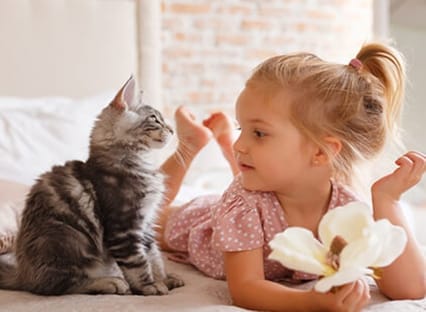
Cat insurance
Cat insurance can help cover the cost of veterinary treatment from as young as 4 weeks old.
Refer a friend
Get your friends involved and you’ll both get a £40 voucher! T&C's apply
Treats for you, and your furry friends
At Animal Friends, you have access to exclusive discounts and offers through your online account!