Siberian cat breed guide
Learn all about the Siberian or ‘Russian Forest’ cat – from breed facts and temperament to health considerations, care needs, costs, and more.
10th July 2026
Siberian cat breed information
If you want to find out more about the Siberian cat, you've come to the right place. We cover everything you need to know in this guide.
Here's what you'll discover:
Size
28–33cm

Lifespan
11-18 years

Weight
Female: 3.5-6kg Male: 5.5-8kg

Temperament
Affectionate, loyal, playful, intelligent

Coat Type
Long-haired, thick triple coat in a variety of colours and patterns including tabby, tortoiseshell, bi-colour, and solid shades

Possible Health Conditions
Hypertrophic cardiomyopathy (HCM), dental disease
Temperament and behaviour
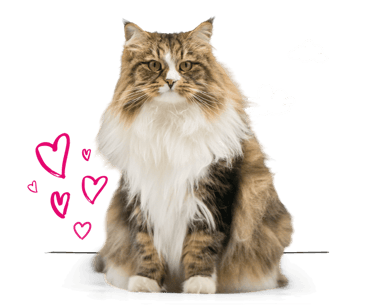
Siberian cats are often described as “gentle giants” due to their larger size and friendly, affectionate nature. Their temperament is one of the breed’s most appealing traits.
Siberians are highly sociable and people-oriented, often enjoying being involved in day-to-day life. Many will follow their owners from room to room and settle close by. They typically get along well with children and other pets (including dogs) when properly introduced, making them a great fit for many households.
They’re also intelligent and playful, with a curious streak that makes them well suited to interactive toys and games. Many Siberians are known for their unusual love of water, often playing in sinks or pawing at bowls. They’re agile and athletic too, with strong hind legs that make them excellent climbers and jumpers.
Some Siberians can take up to five years to fully mature, so it’s not unusual for them to keep their playful, kitten-like behaviour for longer than other breeds. Despite their playfulness, they also have a calm, gentle side that makes them a well-balanced breed overall.
Siberian cat health issues
While generally considered a robust breed, there are some health issues that Siberian cats are naturally more prone to.
Based on our 2025 claims data and vet cost averages, here are the top three conditions claimed for by Siberian cat owners:
- Vomiting and diarrhoea – with an average claim of £1,072
- Lameness – with an average claim of £641
- Weight loss – with an average claim of £2,293
This doesn’t mean that your cat will definitely experience one of these health problems, but knowing what to look out for can help you give your Siberian the proper care they need.
Hypertrophic cardiomyopathy (HCM) is the most common heart disease in cats and has been identified more frequently in certain breeds, including Siberians. It causes the walls of the heart to thicken, which can affect how effectively the heart pumps blood.
Some cats may show no symptoms at all, while others can develop breathing difficulties, lethargy, or signs of heart failure as the condition progresses.
Although there is no cure, treatment focuses on managing symptoms and supporting your cat’s quality of life through medication and regular monitoring.
Dental disease is common in many cats, including Siberians, and can develop over time if not properly managed. Plaque and tartar build-up can lead to gum inflammation, discomfort, and difficulty eating.
You may notice signs such as bad breath, drooling, or changes in eating habits. Regular dental check ups, tooth brushing where possible, and vet-recommended dental care can help maintain good oral health and prevent more serious issues.
Siberian cats, like all breeds, can be affected by urinary tract issues such as cystitis or bladder stones, sometimes grouped under feline lower urinary tract disease (FLUTD). These conditions can cause discomfort and may affect how often or easily your cat urinates.
Symptoms can include straining, frequent trips to the litter tray, or changes in behaviour. Making sure your cat stays well hydrated and feeding a balanced diet can help support urinary health.
If you notice any of these signs, it’s important to seek veterinary advice promptly, as some urinary conditions can become serious if left untreated.
What are the average costs of keeping a Siberian cat?
The upfront cost of a Siberian cat can vary widely depending on the breeder, lineage, and location, but you can typically expect prices to start from around £350 and rise to £2,000 or more for pedigree kittens.
Beyond the initial cost, it’s worth thinking about what you’ll spend month to month. Food, grooming (especially during shedding seasons), routine vet visits, vaccinations, and parasite treatments all form part of your cat’s ongoing care, which is £1,500 per year on average, and can add up to roughly £13,000 to £16,500 over their lifetime.
Because Siberians are a larger, long-haired breed, some costs - such as food and grooming - may be slightly higher than average.
Planning ahead for these, as well as unexpected vet bills, can make a big difference. Many owners choose pet insurance to help spread the cost and provide peace of mind over their cat’s lifetime.
Grooming
Siberian cats have a thick triple coat that benefits from regular brushing. A couple of grooming sessions each week is usually enough, although more frequent brushing may be needed during seasonal shedding. Regular grooming helps remove loose hair, prevent tangles, and keep their coat in good condition.
Exercise
Siberians are active and playful, and regular exercise helps support their physical health and maintain a healthy weight. Interactive toys, climbing structures, and play sessions can help keep them moving while also strengthening the bond between you and your feline friend.
Enrichment
These intelligent cats thrive on mental stimulation. Puzzle feeders, new toys, and opportunities to climb or explore can help prevent boredom and encourage natural behaviours. Because they enjoy human interaction, regular playtime and attention are important for their wellbeing.
Diet
A balanced, high-quality diet is important to support your Siberian’s size, energy levels, and coat condition. They are a larger breed, so portion control is important to help prevent excess weight gain. Fresh water should always be available, and your vet can help guide you on the right food for your cat’s age and lifestyle.
Origins of the Siberian cat
The Siberian cat is a natural breed that developed in the forests of Russia, where harsh winters shaped its strong build and thick, water-resistant coat. This is why they’re also called ‘Siberian Forest’ or ‘Russian Forest’ cats.
Their distinctive triple-layered fur helped protect them from extreme cold, while their muscular bodies made them powerful and agile hunters.
Believed to have existed for over 1,000 years, Siberians were valued not only for their hunting abilities but also for their companionship in Russian homes.
Despite the breed’s long history, Siberian cats only became widely known outside of Russia in the late 20th century. Today, they’re recognised by major cat organisations and continue to grow in popularity, thanks to their striking appearance and affectionate nature.
Did you know?
Siberian cats are Russia’s national cat, and have been featured in Russian folklore and fairy tales for centuries.
A loving and sociable companion
Siberian cats are affectionate and enjoy being part of everyday life, often forming strong bonds with their owners. They thrive on companionship and may not enjoy being left alone for long, so they’re best suited to homes where they’ll get plenty of attention.
A breed with specific care needs
Siberians have a thick, long coat that requires regular grooming, particularly during shedding seasons. They also need plenty of mental stimulation and interaction to prevent boredom.
Best suited to engaged owners
Siberian cats are a great choice for owners who can provide time, attention, and regular care. If you’re able to keep up with grooming, enrichment, and routine vet visits, they can be a rewarding and affectionate feline companion.
Siberian FAQs
Siberian cats are often a great fit for family life thanks to their friendly, patient, and sociable nature. They tend to enjoy being around people and are known for forming strong bonds with their owners, often wanting to be involved in whatever’s going on at home.
Their playful side makes them engaging companions, while their calmer temperament means they’re just as happy relaxing nearby. As with any pet, supervised interactions and gentle handling are important to keep everyone comfortable and safe.
Siberian cats are known for being loyal and forming strong attachments, and many will develop a particularly close bond with one person in the household. This often shows in small ways, such as following that person around or choosing to sit nearby.
That said, these cats are generally quite social and usually show affection to multiple members of the household rather than focusing exclusively on one individual. Early socialisation and regular interaction can help them feel comfortable and connected with everyone in the home.
Yes, Siberian cats can live happily as indoor cats, provided they have enough space, stimulation, and interaction.
They’re active and intelligent, so it’s important to provide plenty of enrichment, such as climbing structures, toys, and regular playtime to keep them mentally and physically engaged. Access to windows, perches, or even a secure outdoor space like a catio can also help satisfy their natural curiosity.
With the right setup, many Siberians adapt well to indoor living and can lead happy, fulfilled lives.
Siberian cats are sometimes considered a better option for people with mild cat allergies, but they are not completely hypoallergenic.
All cats produce a protein called Fel d 1, which is the main trigger for allergic reactions. Some research suggests that certain Siberian cats may produce lower levels of this protein, although this can vary from cat to cat.
Because of this, some people may find their symptoms are less severe around Siberians, but others may still react. Spending time with the breed before bringing one home can help you understand how you might respond.
Similar cat breeds:
- Maine Coon – Known for their thick, fluffy coats that make them perfect cats for colder conditions.
- Norwegian Forest cat – Both breeds have rugged coats and robust builds, although their head shape differs.
- Ragdoll – Matched in terms of their affectionate nature and dog-like characteristics.
Related articles:
Cat insurance
Cat insurance can help cover the cost of veterinary treatment from as young as 4 weeks old.
Refer a friend
Get your friends involved and you’ll both get a £40 voucher! T&C's apply
Treats for you, and your furry friends
At Animal Friends, you have access to exclusive discounts and offers through your online account!