
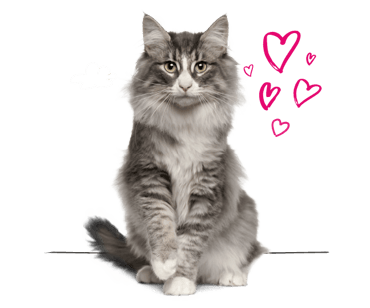
Norwegian Forest cat breed guide
Learn all about the Norwegian Forest cat or “Wegie”, from breed facts to behaviour, potential health problems, care needs, costs, and more.
10th July 2026
Norwegian Forest cat breed information
Curious about the Norwegian Forest cat? This guide covers everything you need to know.
Here's what you'll discover:
Size
23–30.5cm

Lifespan
12-16 years

Weight
Female: 3.5-8kg Male: 5-9kg

Temperament
Friendly, independent, gentle, intelligent, playful

Coat Type
Semi-long, dense double coat in a range of colours and patterns including tabby, tortoiseshell, bi-colour, and solid

Possible Health Conditions
Hypertrophic cardiomyopathy (HCM), glycogen storage disease type IV, hip dysplasia
Temperament and behaviour
The Norwegian Forest cat is a calm, friendly breed with a well-balanced mix of sociability and independence. Often described as ‘gentle giants’, they form strong bonds with their families while remaining relatively low maintenance when it comes to attention.
They enjoy being around people but are just as content observing from a high perch or quietly exploring their surroundings. Intelligent and curious, they particularly enjoy climbing, interactive play, and puzzle-based activities that keep both their mind and body engaged.
With the right introductions, they generally get along well with children and other pets, making them a versatile and easygoing companion for a wide range of households.
Norwegian Forest cat health issues
Norwegian Forest cats are generally known for being a robust, natural breed. However, like all cats, they can be affected by certain genetic and breed-related health conditions.
Using our 2025 claims data and average vet costs, we’ve highlighted some of the most commonly reported conditions in Norwegian Forest cats:
- Hyperthyroidism – with an average claim of £1,119
- Vomiting and diarrhoea – with an average claim of £1,231
- Osteoarthritis – with an average claim of £952
Not every cat will experience these issues, but choosing a reputable breeder, keeping up with routine vet check-ups, and supporting your cat’s overall wellbeing can all help reduce risk.
Hypertrophic cardiomyopathy (HCM) is the most common heart disease in cats and has been identified in Norwegian Forest cats as a potential genetic condition. It causes the walls of the heart to thicken, which can reduce how effectively the heart pumps blood.
Some cats may show no obvious symptoms, while others can develop signs such as lethargy, breathing difficulties, or reduced activity. In some cases, complications like blood clots can occur.
Although there is no cure, treatment focuses on managing symptoms and supporting heart function, often through medication and regular monitoring. Early screening, especially when buying from a breeder, can help identify potential risk.
Hip dysplasia is a joint condition where the hip does not develop properly, leading to instability and, over time, arthritis. It has been reported in Norwegian Forest cats, particularly due to their larger size.
Signs may include stiffness, reluctance to jump, reduced activity, or changes in gait. Diagnosis is usually made through a physical exam and imaging such as X-rays.
Management often includes weight control, pain relief, and joint-support supplements. In more severe cases, surgical options may be considered to improve mobility and comfort.
Glycogen storage disease type IV (GSD IV) is a rare genetic condition seen in Norwegian Forest cats. It affects how the body stores and uses energy, leading to progressive muscle weakness and other serious complications.
In many cases, affected kittens may not survive beyond early life stages, or symptoms may develop within the first few months. These can include weakness, tremors, or failure to thrive.
There is currently no cure, so prevention through responsible breeding is key. Genetic testing is available to identify carriers and reduce the risk of passing the condition on.
Pyruvate kinase (PK) deficiency is an genetic blood disorder that affects red blood cells, leading to anaemia.
Cats with this condition may experience symptoms such as fatigue, weakness, pale gums, or weight loss, although severity can vary. Some cats may only show mild signs, while others may have more significant health impacts.
There is no cure, but the condition can often be managed with supportive care. In more severe cases, treatments such as blood transfusions may be needed during anaemic episodes. Genetic testing can help identify affected cats and carriers.
Polycystic kidney disease (PKD) is an genetic condition that can affect many cat breeds, including Norwegian Forests. It causes fluid-filled cysts to develop in the kidneys over time, potentially leading to reduced kidney function.
Symptoms may not appear until later in life but can include increased thirst, weight loss, and changes in appetite or urination.
While there is no cure, early diagnosis allows for monitoring and supportive care to help maintain quality of life. Screening and responsible breeding play an important role in reducing risk.
Dental disease is common in many cats, including Norwegian Forest cats, and can develop if plaque and tartar build up over time.
Signs may include bad breath, drooling, red or inflamed gums, or difficulty eating. Left untreated, dental issues can lead to pain and infection.
Regular dental care, such as brushing where possible, dental-friendly diets, and routine vet check-ups, can help maintain good oral health and prevent more serious problems.
What are the average costs of keeping a Norwegian Forest cat?
The upfront cost of a Norwegian Forest cat can vary depending on the breeder, pedigree, and demand, typically ranging from around £450 to £1,200+, with show-quality kittens often costing more.
Looking after a cat comes with ongoing costs to consider, averaging at around £1,500 per year in the UK, which can total approximately £13,000–£16,500 across their lifetime.
As a larger, long-haired breed, Norwegian Forests may need a bit more spent on food and grooming, particularly during seasonal shedding. You’ll also need to budget for essentials like vaccinations, parasite prevention, and routine vet visits.
Many owners choose pet insurance to help manage unexpected vet bills and spread the cost of care across their Wegie’s lifetime.
Grooming
Norwegian Forest cats have a dense, semi-long double coat that is naturally water-resistant. While their coat is less prone to matting than some long-haired breeds, regular brushing — around once or twice a week — can help remove loose hair and keep it in good condition.
During seasonal shedding, particularly in spring and autumn, more frequent grooming may be needed. It’s also important to check their ears, trim their claws regularly, and maintain good dental hygiene to support overall health.
Exercise
Norwegian Forest cats are strong, athletic, and natural climbers. They benefit from regular play and opportunities to climb, jump, and explore their surroundings.
Providing tall, sturdy cat trees or shelves can help satisfy their love of height, while interactive play, such as wand toys or chasing games, helps keep them active and supports a healthy weight.
Enrichment
As an intelligent and curious breed, Norwegian Forest cats benefit from plenty of mental stimulation as well as physical activity.
Puzzle feeders, interactive toys, and regular play sessions can help keep them engaged and prevent boredom. Rotating toys and introducing new activities from time to time can also encourage natural behaviours like climbing, exploring, and problem solving.
Diet
A balanced, high-quality diet is important to support the Norwegian Forest cat’s size, energy levels, and overall health.
Because they are a larger breed, portion control is key to help prevent excess weight, which can impact joint health and mobility. Providing fresh water at all times and including wet food in their diet can also support hydration and urinary health.
Regular weight checks and guidance from your vet can help ensure your cat stays in good condition throughout their life.
Origins of the Norwegian Forest cat
The Norwegian Forest cat is a natural breed that developed in the forests of Northern Europe, particularly Norway. Over time, it adapted to harsh Scandinavian climates, developing a thick, water-resistant double coat, tufted paws for walking on snow, and a strong, muscular build to help it survive cold winters.
Often referred to as the ‘Skogkatt’ (meaning “forest cat”), the breed has a long history and is believed to have existed for hundreds, if not thousands, of years. Norwegian Forest cats are also linked to Norse mythology, where they were said to accompany the goddess Freyja.
They were valued as skilled hunters, helping to control rodent populations on farms, in rural homes, and even on ships. Despite this long history, the breed was only formally recognised in Europe in the 20th century, with organised breeding programmes beginning in Norway in the 1930s. Today, they are recognised internationally and are admired for both their resilience and striking appearance.
Did you know?
Norwegian Forest cats are exceptional climbers and, unlike many other breeds, can descend trees headfirst. This is thanks to their strong claws and powerful hind legs, which are perfectly adapted for navigating tall trees in their natural environment.
A calm and adaptable companion
Norwegian Forest cats are friendly, gentle, and enjoy being part of family life. They often form strong bonds with their owners while still maintaining an independent streak, making them a laid-back and adaptable companion.
A breed with grooming and space needs
While they’re easygoing, Norwegian Forest cats do have some specific care needs. Their thick double coat requires regular grooming, especially during seasonal shedding, and their strong, athletic build means they benefit from space to climb and explore.
Best suited to balanced households
Norwegian Forest cats are a great fit for owners who can offer a mix of companionship and independence. If you can provide regular grooming, climbing space, and daily interaction, they can be a calm and rewarding addition to your home.
Norwegian Forest cat FAQs
Both breeds are large, but Maine Coons are typically slightly bigger overall. Norwegian Forest cats are still a substantial, muscular breed, though they tend to have a more streamlined build compared to the broader, taller Maine Coon.
“Wegie” (a common nickname for the Norwegian Forest cat) is pronounced “wee-gee.” It comes from shortening “Norwegian” and is widely used by breed enthusiasts.
Norwegian Forest cats can make wonderful companions thanks to their friendly, calm nature and independent streak. They suit owners who want an affectionate but not overly demanding cat, and who can provide space, enrichment, and regular grooming.
While they’re generally easygoing, Norwegian Forest cats do come with a few considerations. Their thick coat requires regular grooming, they need space to climb and explore, and they may be less suited to very hot environments. They also benefit from regular interaction, so may not thrive if left alone for long periods.
Similar cat breeds:
- Maine Coon – Another large cat breed that has a reputation for being a gentle giant, with a fluffy, glossy coat.
- Siberian – Similarly big and agile, this breed shares the Norwegian Forest's affectionate personality.
- Ragdoll – While their coats may differ, the Ragdoll also has a strong, muscular build and a relaxed temperament.
Related articles:
Cat insurance
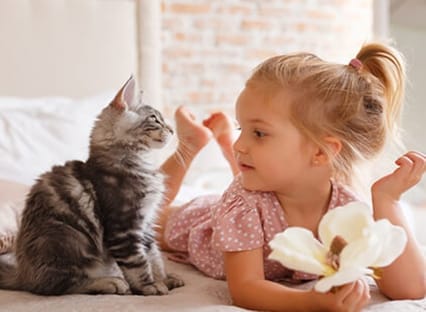
Cat insurance can help cover the cost of veterinary treatment from as young as 4 weeks old.
Refer a friend
Get your friends involved and you’ll both get a £40 voucher! T&C's apply
Treats for you, and your furry friends
At Animal Friends, you have access to exclusive discounts and offers through your online account!