Maine Coon cat breed guide
Learn all about the beloved Maine Coon cat, from breed facts to behaviour, potential health problems, care needs, costs, and more.
21st July 2026
Maine Coon cat breed information
Interested in learning more about the Maine Coon? This guide covers everything you need to know.
Here's what you'll discover:
Size
Female: 20–35cm
Male: 25–40cm

Lifespan
9-15 years
Weight
Female: 4.8-6.8kg
Male: 6–8.2kg

Temperament
Friendly, sociable, intelligent, playful, dog-like behaviour, good with families

Coat Type
Semi-long, thick double coat with a dense undercoat and bushy tail

Possible Health Conditions
Hip dysplasia, hypertrophic cardiomyopathy (HCM), spinal muscular atrophy (SMA)
Temperament and behaviour
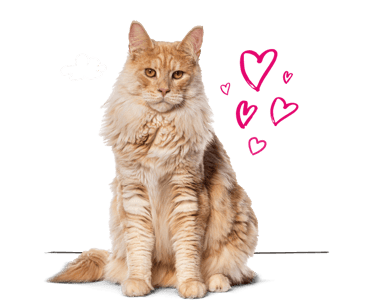
Maine Coons are best known for their friendly, laid back nature and affectionate personality. Often called ‘gentle giants’ or ‘dog-like’, these cats are playful, curious, and highly intelligent. They can even learn tricks like fetch or sit!
Maine Coons are generally good with children and other pets, making them perfect for family homes. While they form strong bonds with their owners and enjoy being around people, they don’t always need constant attention, preferring to explore or relax nearby rather than cuddle up on your lap.
Maine Coon health problems
Maine Coons are generally a healthy breed, but like all cats, they are prone to certain health issues.
Based on our 2025 claims data and vet cost averages, some of the conditions we commonly see in this breed include:
- Vomiting and diarrhoea – with an average claim of £1,221
- Weight loss – with an average claim of £1,042
- Tumour – with an average claim of £1,534
Please remember that while certain health concerns are more frequently seen in the Maine Coon breed, every cat is unique, and your feline friend isn’t necessarily going to experience any of the conditions listed here.
Understanding these conditions and how they can be managed will help you ensure your cat lives a long, happy life.
Hypertrophic cardiomyopathy (HCM) is a genetic heart condition that is particularly prevalent in Maine Coon cats. It causes the heart muscle to thicken and can lead to heart failure if left untreated.
Symptoms can range from lethargy, rapid breathing, or difficulty exercising, though some cats remain symptom-free for a long time. Diagnosis typically involves an ultrasound (echocardiogram), which allows the vet to assess the thickness of the heart muscle.
Genetic testing is available to identify cats that carry the gene for HCM, and this is often done by responsible breeders.
While there is no cure, treatment can involve medications such as beta-blockers or calcium channel blockers to improve heart function and prevent clot formation. In severe cases, a specialist may recommend a heart procedure, but most cats can live well with proper management.
Feline hip dysplasia (FHD) is a degenerative joint condition, and it’s relatively common in Maine Coons because of their large size. It causes malformation of the hip joint, leading to pain, stiffness, and lameness, which can affect mobility.
Early signs can include limping or difficulty jumping, though some cats may not show noticeable symptoms until later. The condition is often diagnosed via X-rays, which allow the vet to assess the joint’s shape and function. Regular screening for FHD is advised, especially for Maine Coons over the age of two.
Treatment for FHD often includes a combination of medication for pain management and weight management to reduce strain on the hips. In more severe cases, surgery may be recommended to repair or replace the hip joint. Joint supplements and physical therapy can also help improve mobility and quality of life.
Spinal muscular atrophy (SMA) is a genetic neurological condition that causes muscle weakness and wasting, particularly in the back legs. This disease can affect Maine Coons early in life, with some cats losing the ability to walk.
SMA is diagnosed through genetic testing, which can confirm the presence of the mutation in the gene responsible for the condition. While there’s no cure for SMA, symptoms can be managed and many affected cats can live fulfilling lives as indoor pets with proper care.
Polycystic kidney disease (PKD) is a genetic condition where cysts develop in the kidneys. Maine Coon cats are at a higher risk for PKD, and affected felines may show symptoms like increased thirst, urination, and weight loss as they age.
Regular check ups at the vet, including kidney function tests, are important for early diagnosis. Although PKD can’t be cured, treatment focuses on managing symptoms, such as controlling blood pressure and reducing protein in the urine. In some cases, a special diet and medications may be recommended to help preserve kidney function.
Maine Coon cats are typically more prone to gingivitis and dental problems than other breeds. A 2023 UK Vet Compass study of dental disease in cats revealed that Maine Coons were among the highest diagnosed breeds (16.7%), alongside Siamese cats (18.7%) and British Shorthairs (15.5%).
Signs include bad breath, red or swollen gums, and difficulty eating. Although treatable if caught early, dental disease can sometimes lead to tooth loss if it progresses.
Regular dental check ups and cleaning, along with home care such as tooth brushing, are key in preventing dental problems.
What are the average costs of keeping a Maine Coon cat?
Maine Coons are a large, long-haired breed, which means that their day to day costs may be slightly higher when compared with smaller cats.
The upfront cost of a Maine Coon kitten is around £320 to £1,600 depending on the breeder, lineage, and location. Purebred kittens are towards the higher end of this bracket.
Ongoing costs typically include food (they do eat more than the average cat), grooming tools or professional grooming, routine vaccinations, parasite treatments, and regular vet check ups. Many owners choose pet insurance too, particularly because Maine Coons can be prone to conditions such as HCM and hip dysplasia.
Overall, depending on your cat’s lifestyle and insurance cover, you could expect to spend around £13,000 to £16,500 over their lifetime, so it’s important to budget for both everyday care and unexpected vet bills.
Grooming
Maine Coons have a luxurious semi-long coat that requires regular grooming to keep it tangle-free and shiny. Brush your cat’s fur at least 2-3 times a week to prevent matting and hairballs. Pay special attention to their underbelly, legs, and tail, where knots can form more easily. During shedding season (usually spring and autumn), daily grooming might be necessary.
Exercise
Despite their large size, Maine Coons are playful and energetic cats that enjoy interactive playtime. Aim for at least 15-20 minutes of exercise per day, using toys such as wand toys, laser pointers, or balls. They also love climbing, so providing them with a cat tree or shelves to explore will allow them to burn off energy.
Enrichment
Maine Coons are highly intelligent and curious, so keeping their minds engaged is important. Offer puzzle feeders, interactive toys, and scratch posts to stimulate their problem solving skills. They also enjoy exploring, so safe outdoor access or cat-safe window perches can provide them with hours of entertainment. Mental stimulation is key to ensuring your cat remains happy and healthy.
Diet
Maine Coons have big appetites, and feeding them a high-quality diet is essential to maintain their health and energy levels. Look for protein-rich foods that cater to their size and activity level. Consult with your vet about portion sizes, as Maine Coons can be prone to obesity if overfed. Make sure your cat has access to fresh water at all times, and consider offering wet food to keep them hydrated.
Origins of the Maine Coon cat
The Maine Coon is widely regarded as America’s only truly native cat breed, originating in the northeastern state of Maine. These large, hardy cats thrived on farms and ships, where their size and thick, weather resistant coats helped them withstand harsh New England winters.
Their history is wrapped in myth and legend, from impossible raccoon crosses (a nod to the “Coon” name), to romantic tales of royal French cats. In reality, the most likely explanation is that long-haired European cats arrived by ship and bred with local American cats. Over time, natural selection favoured the more resilient cats better suited to colder climates.
Although popular in the United States since the late 19th century, Maine Coons didn’t arrive in the UK until the 1980s due to strict quarantine laws. They gained Championship status in 1993 and are now one of Britain’s most popular pedigree breeds, admired for their gentle nature and impressive size.
Did you know?
The current holder of the World's Longest Domestic Cat title is Barivel, a Maine Coon from Italy, measuring an impressive 120cm (3 feet 11 inches). That’s longer than a baseball bat or equivalent to seven iPads laid out in a row!
A cat full of charm
Maine Coons are the ultimate companions, known for their friendly, playful personalities. These "gentle giants" love attention and thrive in busy homes. Whether it's playtime or cuddle time, they’ll bring warmth and fun into your life with their affectionate nature.
A little extra care required
While they’re wonderful to have around, their long, thick coats do come with the need for regular grooming. They shed more than most cats, especially during the warmer months, so be prepared to brush them a few times a week to keep their fur soft and free from tangles.
Perfect for the attentive and active owner
If you’re the type of person who enjoys a cat with personality and doesn’t mind spending a bit of time grooming, a Maine Coon is a great choice. They do best in homes where they’re given plenty of attention, and they'll be a loyal, engaging presence for anyone ready to offer them affection and a little extra care.
Maine Coon FAQs
Maine Coons are known for their friendly and gentle nature, making them excellent companions for families with young children. Their patient temperament allows them to tolerate being handled, and they’re typically very playful, which makes them a hit with kids. However, as with all pets, it's important to supervise interactions to ensure both the children and the cat feel comfortable and safe.
Yes, Maine Coons generally get along well with dogs and other pets, especially if they’ve been raised together or properly introduced. Their social and calm nature means they’re often more adaptable than other breeds. However, it’s always a good idea to introduce pets slowly and monitor interactions.
Both Maine Coons and Ragdolls are large cat breeds, but the Maine Coon tends to be slightly larger on average. Maine Coons can grow to 20-40cm in length and weigh between 4-8kg (with some males exceeding this). Ragdolls, while still large, typically weigh between 4-9kg and are known for their longer, more slender body type. Maine Coons generally have a more muscular build compared to the Ragdoll's stockier frame.
Maine Coon kittens are lively, playful, and curious little creatures. Known for their intelligence, they’re quick learners and love interactive play. These kittens are very social and enjoy being around people, making them a wonderful choice for families. As they grow, their personalities remain affectionate and independent, with some remaining "kitten-like" well into adulthood due to their playful nature.
Maine Coons are independent cats, but they still need human interaction and mental stimulation. While they can tolerate being left alone for longer periods than some other breeds, they do best in environments where they receive plenty of attention and affection. If you’re out during the day, consider adopting another pet for companionship or providing interactive toys and scratching posts to keep them entertained.
Maine Coons are moderate to heavy shedders due to their thick, semi-long coats. They shed more during seasonal changes, particularly in spring and autumn. Regular grooming can help manage shedding and keep their fur in good condition, as well as prevent mats and tangles. Brushing them 2-3 times a week will reduce shedding and help maintain their beautiful coat.
Similar cat breeds:
- Norwegian Forest cat – Similarly large and rugged, with bushy coats and tails that make them great for cuddles.
- Siberian – Stocky with dense coats, both breeds are known for their dog-like, affectionate personalities.
- Ragdoll – Large and fluffy, they are also floppy in nature and love to be held by their owners.
Related articles:
Cat insurance
Cat insurance can help cover the cost of veterinary treatment from as young as 4 weeks old.
Refer a friend
Get your friends involved and you’ll both get a £40 voucher! T&C's apply
Treats for you, and your furry friends
At Animal Friends, you have access to exclusive discounts and offers through your online account!