
Siamese cat breed guide
Learn all about the vocal and intelligent Siamese cat, from breed facts to behaviour, potential health problems, care needs, costs, and more.
10th July 2026
Siamese cat breed information
Find out everything there is to know about the Siamese cat in this extensive breed guide.
Here's what you'll discover:

Size
Female: 30–38cm Male: 38–50cm

Lifespan
12–20 years

Weight
Female: 2.7–4.5kg Male: 3.6–6.8kg

Temperament
Vocal, social, intelligent, demanding, affectionate

Coat Type
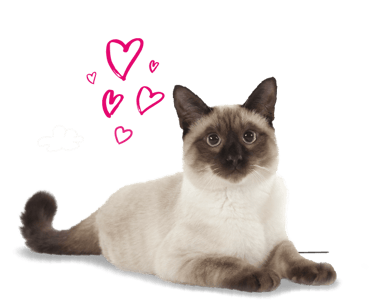
Very short, fine, sleek coat with no undercoat

Possible Health Conditions
Lymphoma, amyloidosis, asthma, dental disease
Temperament and behaviour
Siamese cats are best known for their highly social, extroverted nature and legendary vocal personality. A Siamese will "talk" to you all day long with a distinctive, raspy meow, telling you exactly how they feel about their food, their environment, or the level of attention they are receiving.
Extremely intelligent and playful, Siamese cats suit active households where they won't be left alone for long. They form deep, loyal bonds with their owners and are notoriously demanding of attention. You’ll find they "help" you with whatever you are doing, from typing on a laptop to making the bed.
Siamese health problems
Siamese cats are generally long-lived, often reaching their late teens or even early twenties. However, like all pedigree cats, they have specific health predispositions.
Based on our 2025 claims data and average veterinary treatment costs, some of the issues more commonly identified in this breed include:
- Vomiting and diarrhoea – with an average claim of £1,276
- Kidney disease – with an average claim of £1,405
- Osteoarthritis – with an average claim of £908
This doesn't mean that every cat will experience these issues. By keeping up with routine vet check-ups and supporting your Siamese cat's wellbeing, you can reduce risk.
Siamese cats are more likely than some other breeds to develop lower airway conditions, such as asthma or chronic bronchitis. These conditions affect the lungs and airways, making breathing more difficult over time.
Common signs include coughing, wheezing, or laboured breathing. Some cats may also have sudden breathing episodes that can be distressing to witness.
If you notice any changes in your cat’s breathing, it’s important to contact your vet. Treatment usually focuses on reducing inflammation and managing symptoms, often with long-term medication. Reducing triggers like dust, smoke, or strong household sprays can also help keep symptoms under control.
Lymphoma is one of the more common cancers seen in cats and may occur more frequently in Siamese and related breeds. It can affect different parts of the body, including the digestive system, chest, or lymph nodes.
Symptoms vary depending on the type but may include weight loss, vomiting, diarrhoea, or breathing difficulties. Because signs can be vague at first, it’s important to monitor any ongoing changes in your cat’s health.
If you’re concerned, speak to your vet. Treatment often involves chemotherapy, along with supportive care to keep your cat comfortable. Early diagnosis can make a significant difference in managing the condition.
Amyloidosis is a rare but serious genetic condition seen in Siamese cats. It involves the build-up of abnormal proteins in organs, most commonly the liver, which can affect how they function.
Signs may include weight loss, low appetite, lethargy, or a swollen abdomen. In more advanced cases, it can lead to severe complications.
There is currently no cure, so treatment focuses on managing symptoms and supporting your cat’s overall health. Because this condition is genetic, responsible breeding practices are key to helping reduce the risk in future generations.
Siamese cats are among the breeds more commonly affected by dental disease, making regular oral care especially important. Periodontal disease can be painful and tends to worsen over time, but the signs aren’t always obvious.
Early symptoms may include bad breath, red or inflamed gums, or reluctance to eat hard food. As the condition progresses, you might notice pawing at the mouth, drooling, or changes in behaviour due to discomfort.
If you spot any of these signs, it’s important to speak to your vet. Treatment often involves a professional dental clean. Ongoing care, including regular check-ups and tooth brushing where possible, can help prevent problems and keep your cat comfortable.
What are the average costs of keeping a Siamese?
The cost of a Siamese kitten in the UK typically ranges from £900 to £1,500 for a registered pedigree. While this is often considered mid-range for a purebred cat, the price reflects the care reputable breeders take, including health screening for genetic conditions, as well as proper socialisation and vaccinations.
Beyond the initial cost, Siamese cats have some specific needs to budget for. Investing in climbing trees, puzzle feeders, and interactive toys is essential, with an initial setup costing around £150–£300. Siamese cats also feel the cold more than other breeds due to their slim build and short coat. During colder months, you may need to provide heated beds or cosy jumpers, which can cost around £30–£60 to get started.
It’s also worth noting that Siamese cats are very social, and many owners choose to keep them in pairs. This can significantly increase overall costs, including food, insurance, and care.
Planning ahead for these expenses will help ensure your Siamese cat stays happy, healthy, and well cared for.
Grooming
The Siamese is the definition of low-maintenance grooming. Their short, fine coat has very little undercoat and sheds minimally. A quick weekly brush with a soft rubber brush or even just stroking them with a damp cloth is usually enough to remove loose hairs and keep their coat shining.
Exercise
Siamese cats are athletes and require daily active play to stay healthy. They are one of the few breeds that can often be trained to walk on a harness and lead, and they excel at "fetch." Regular physical activity helps maintain their lean physique and prevents obesity.
Diet
Because of their long, slender frame, any weight gain on a Siamese is very noticeable and can put a strain on their joints. A high-protein, balanced diet with strict portion control is vital to maintain their elegant "show" condition.
Enrichment
Mental stimulation is just as important as physical exercise for this brainy breed. Puzzle toys, interactive play, and teaching tricks can keep a Siamese cat engaged and happy, reducing the risk of boredom-related behaviour issues.
Origins of the Siamese cat
The Siamese is one of the oldest and most storied cat breeds, originating from Thailand (formerly Siam). These "Royal Cats of Siam" were first brought to the UK in the late 19th century as gifts to high-ranking officials and eventually became a sensation at early London cat shows.
While the British Shorthair was bred from robust working cats, the Siamese was refined for its elegant, svelte appearance and striking "pointed" coat pattern. Over the decades, the breed has evolved into two distinct types: the "Traditional" Siamese with a rounder head, and the "Modern" Siamese with a more wedge-shaped head and larger ears.
Today, the Siamese remains a global favourite, admired for its athletic grace and intense, sapphire-blue eyes.
Did you know?
Siamese kittens are born pure white. Their signature "points" (darker fur on the ears, face, paws, and tail) only begin to develop as they grow, triggered by a temperature-sensitive enzyme that reacts to the cooler parts of their body.
A vocal and "Velcro" companion
If you’re looking for a cat that keeps its opinions to itself, the Siamese is definitely not for you. Known for their legendary "Meezer" voice, these cats are famous for narrating their entire day to anyone who will listen. They are the ultimate "Velcro" cats - intensely loyal, deeply affectionate, and determined to be involved in every single thing you do, from making the bed to joining your video calls.
A demand for high-level mental stimulation
A Siamese doesn’t just have energy; they have an agenda. They are exceptionally intelligent and can become mischievous "engineers" if they aren’t kept busy. Owners must be prepared to provide puzzle feeders, high-climbing spots, and daily interactive play. Without an outlet for their curiosity, a bored Siamese may find their own "entertainment" by learning how to open cupboards or "reorganising" your shelves.
Best for households that crave constant interaction
The Siamese is a true "lifestyle" cat, ideally suited for owners who want a pet that acts more like a dog than a typical feline. They thrive in active homes where they are treated as a central member of the family rather than a background pet. Because they are so intensely social, they are happiest in households where someone is home often and they almost always benefit from having a feline sibling to keep them company.
Siamese FAQs
No. While they have very short hair and shed less than many other breeds, they still produce the dander and saliva proteins that trigger allergies. However, some people with mild allergies find them easier to live with because they do not leave much fur around the home.
Yes, but they are not "lazy" indoor cats. They adapt well to indoor living because it is safer for their slender build and thin coat, but they require a lot of space to climb and a lot of human interaction. They do not do well in homes where they are left alone for more than eight hours a day.
Very little. They are considered low-shedding cats. You will rarely find clumps of fur on your furniture, making them a popular choice for owners who prefer a cleaner home environment.
Similar cat breeds:
- Burmese – Highly intelligent, vocal, and demanding of your attention, these breeds have similar characteristics.
- Birman – Both gentle and affectionate, they are known for their striking blue eyes and white fur.
- Ragdoll – Similar in colour and size, but the Ragdoll is much more docile and laid-back.
Related articles:
Cat insurance
Cat insurance can help cover the cost of veterinary treatment from as young as 4 weeks old.

Refer a friend
Get your friends involved and you’ll both get a £40 voucher! T&C's apply

Treats for you, and your furry friends
At Animal Friends, you have access to exclusive discounts and offers through your online account!