
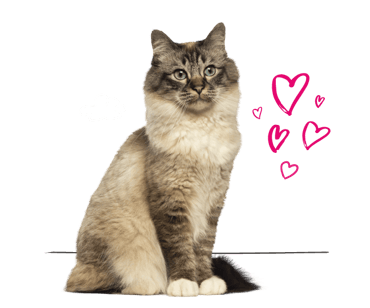
Birman cat breed guide
Learn all about the beloved Birman cat, from breed facts to behaviour, potential health problems, care needs, costs, and more.
10th July 2026
Birman cat breed information
Curious about the Birman cat? This guide covers everything you need to know.
Here's what you'll discover:

Size
20-35cm

Lifespan
12–16 years

Weight
Female: 3.2–5.4kg Male: 4.5–7kg

Temperament
Affectionate, docile, curious, social, and "dog-like" (they love to follow you from room to room)

Coat Type
Medium-long, silky single coat (no undercoat) with a distinctive ruff around the neck; always "pointed" with white "gloves" and "laces" on the paws

Possible Health Conditions
Hypertrophic cardiomyopathy (HCM), polycystic kidney disease (PKD), corneal sequestration and congenital hypotrichosis
Temperament and behaviour
Birmans are known for their affectionate, social nature and love being involved in everyday life. Often described as “people cats”, they’ll happily follow you from room to room, keen to be part of whatever you’re doing. They’re true companions, forming strong bonds with their owners and often greeting you with a soft, gentle chirp when you come home.
These cats are calm, patient, and well-suited to family life, including homes with children or other pets. While they enjoy play and mental stimulation, Birmans are just as content curling up on your lap for a cuddle. They’re typically easy-going and communicate quietly, making them a loving but undemanding addition to the home.
Birman health problems
Birmans are typically considered a healthy breed. However, like all cats, they can experience certain health conditions.
Based on our 2025 claims data and average veterinary treatment costs, some of the issues more commonly identified in this breed include:
- Kidney disease – with an average claim of £1,271
- Osteoarthritis – with an average claim of £689
- Vomiting and diarrhoea – with an average claim of £1,658
Many Birmans won’t experience these issues, but a trusted breeder, routine vet care, and general wellness support all help minimise risk.
Unfortunately, Birmans are a bit more prone to a unique eye condition called corneal sequestration. Essentially, this happens when a dark, tea-coloured “scab” forms right on the surface of the cat’s eye, usually triggered by an unhealed scratch, constant irritation, or feline herpesvirus. It can be quite uncomfortable, so keep an eye out for squinting, watery eyes, or a noticeable dark spot developing on their clear cornea.
While very mild cases might clear up with soothing veterinary eye drops, most cats will need a quick surgical procedure by a specialist to gently remove the scab so the eye can heal properly. Early treatment is important because untreated corneal sequestration can lead to ongoing pain, corneal ulcers, and in severe cases, permanent damage to your cat’s vision.
You can help protect your cat’s eyesight by getting any gunky eye infections or scratches checked by a vet as soon as possible and using cat-safe eye lubricants to keep their eyes bright, moist, and healthy.
Birmans can be predisposed to hypertrophic cardiomyopathy (HCM), which is one of the most common heart diseases seen in cats. This condition causes the muscular walls of the heart to thicken, making it harder for the heart to pump blood effectively around the body.
Some cats with HCM may show no signs at all in the early stages, while others can develop symptoms such as lethargy, rapid breathing, difficulty exercising, fainting episodes, or even sudden collapse.
Because the condition can progress quietly, regular veterinary check-ups are especially important for Birman cats. Your vet may recommend heart scans if they detect a heart murmur or suspect underlying cardiac disease. Early diagnosis and careful management can help improve your cat’s quality of life and reduce the risk of serious complications such as heart failure or blood clots.
Birmans may be at risk of developing polycystic kidney disease (PKD), a genetic condition where fluid-filled cysts gradually form within the kidneys. Over time, these cysts can interfere with normal kidney function and may eventually lead to chronic kidney disease.
Symptoms often develop slowly and can include increased thirst, weight loss, reduced appetite, vomiting, and lethargy. Because PKD is genetic, responsible breeders may screen breeding cats to help reduce the risk of passing the condition on to kittens.
Regular veterinary check-ups, along with monitoring your cat’s drinking habits and overall health, can help detect kidney problems early and support long-term kidney function through diet, hydration, and veterinary care.
Another condition occasionally linked to Birman cats is congenital hypotrichosis, a rare genetic disorder that causes kittens to be born with very sparse fur or patches of missing hair.
In some cases, affected kittens may also have dry, sensitive skin that is more prone to irritation or infection.
While the condition itself is not usually painful, the lack of a normal coat can leave cats more vulnerable to temperature changes, sunburn, and skin injuries. Because congenital hypotrichosis is genetic, responsible breeding practices are important in helping to reduce the risk of affected kittens being born.
If you notice unusual hair loss, bald patches, or skin problems in your cat, it’s always best to speak with your vet to rule out other underlying causes and discuss the best ways to keep their skin healthy and protected.
What are the average costs of keeping a Birman?
The cost of a Birman cat can vary depending on factors like age, pedigree, and the quality of their distinctive markings. In the UK, kittens typically range from £800 to £1,800, with pedigree kittens from registered breeders often costing between £1,200 and £1,800.
While lower prices may be found through unregistered sources, reputable breeders tend to charge more due to the care they invest in health testing for conditions like Hypertrophic Cardiomyopathy (HCM) and Polycystic Kidney Disease (PKD), as well as proper socialisation, vaccinations, and ensuring kittens stay with their mother for at least 12–13 weeks.
It’s also important to consider the ongoing costs of ownership, which average around £1,500 per year. This includes routine vet care, boosters, parasite treatments, and dental check-ups, alongside essentials like quality food, grooming tools, bedding, and enrichment toys, especially important as Birmans can be prone to weight gain.
Planning ahead for both everyday care and unexpected vet bills will help you give your Birman a happy, healthy life.
Grooming
Despite their long, luxurious coats, Birmans are surprisingly easy to groom. Their silky fur has no thick undercoat, so it’s less prone to matting or tangling. A gentle brush once or twice a week will usually keep their coat in great condition. They may shed more in spring and autumn, so extra grooming can help, and most Birmans enjoy the attention.
Exercise
Birmans have a moderate energy level and tend to prefer being involved in your day rather than high-energy bursts of activity. They enjoy short, interactive play sessions (especially chasing feather toys or batting around small balls), but are happiest when playing alongside their owners. A few 10-minute play sessions each day is usually enough to keep them active, followed by a cosy nap somewhere close to you.
Enrichment
Because Birmans are intelligent and highly social, keeping them mentally stimulated is important. They enjoy having places to climb, like cat trees or window perches, where they can watch over the home, as well as interactive toys and puzzle feeders. Most importantly, they thrive on companionship and can become lonely if left alone for long periods, so they’re best suited to homes with plenty of company.
Diet
Birmans have a naturally sturdy build, which can make it easy to overlook gradual weight gain. As they’re less active than some breeds, they can be prone to obesity if their diet isn’t carefully managed. Feeding a high-quality, protein-rich diet with controlled portions and set mealtimes is recommended, rather than free-feeding. Regular check-ins with your vet can also help ensure their diet supports them through every life stage.
Origins of the Birman cat
The Birman is famously known as the “Sacred Cat of Burma,” with a history rooted more in ancient legend than natural development. Its origins trace back to the Buddhist temples of Northern Burma (now Myanmar), where these cats were the loyal companions of high priests. According to folklore, their striking features were a divine gift from a golden-eyed goddess, who transformed their coats to gold and their eyes to sapphire blue.
These mystical cats arrived in Europe around 1919, when a pair was sent to France as a gesture of gratitude from temple priests. While the male did not survive the voyage, the pregnant female, Sita, arrived safely and established the breed in the West. Originally known as the “Sacré de Birmanie,” they gained official breed recognition in France in 1925, quickly becoming prized for their elegance and "gloved" paws.
Like many breeds, Birmans faced near-extinction during the World Wars, and intensive breeding was required to preserve them. Today, they are admired for their deep blue eyes, silky pointed coats, and their peaceful, temple-guardian nature.
Did you know?
In their native Burma, Birmans were believed to carry the souls of deceased priests. Folklore suggested that when a priest passed away, his soul would inhabit the body of a temple cat before moving on to its final resting place.
A devoted and interactive companion
Birmans are incredibly affectionate cats who love to be involved in everyday life. Often nicknamed “Velcro cats”, they’ll happily follow you around the home, keeping you company whether you’re relaxing or busy with daily tasks. With their gentle nature and playful curiosity, they make wonderfully interactive companions who enjoy being close to their owners.
A focus on health and weight management
Although not the most energetic breed, Birmans have a sturdy build and healthy appetite, so it’s important to keep an eye on their weight. Their long, silky coat can make it harder to spot changes, so regular checks and portion-controlled meals are key. Keeping up with playtime and feeding a balanced, high-quality diet will help them stay happy and healthy.
Ideal for social and loving households
Thanks to their calm, patient temperament, Birmans fit well into family life, including homes with children or other pets. They’re naturally sociable and don’t enjoy being left alone for long periods, so they thrive in households where there’s plenty of company. If you’re looking for a gentle, affectionate cat who truly feels like part of the family, a Birman could be a perfect match.
Birman FAQs
No, Birmans aren’t considered hypoallergenic. While they don’t have a thick undercoat, they still produce the Fel d 1 protein found in saliva and skin oils, which commonly triggers allergies. Regular grooming and good air quality can help manage mild sensitivities, but if you have allergies, it’s best to spend time with a Birman before bringing one home.
Yes, Birmans make excellent indoor cats thanks to their gentle, trusting nature and love of companionship. They’re happiest in a safe, cosy environment where they can relax with their family. Because they’re so friendly and curious, keeping them indoors helps protect them from potential dangers, as long as they have plenty of enrichment like climbing spaces and toys.
Birmans are moderate shedders, but their silky, single-layer coat is easier to manage than many long-haired breeds. You may notice increased shedding during spring and autumn, but regular brushing once or twice a week is usually enough to keep loose hair under control and their coat looking healthy.
Similar cat breeds:
- Ragdoll – Closely matched in appearance and temperament, both breeds like to be cuddled and held.
- Siberian – Known for their dog-like personalities and for being large and fluffy.
- Burmese – Despite differing features, both breeds originated in the region formally known as Burma (now Myanmar).
Related articles:
Cat insurance
Cat insurance can help cover the cost of veterinary treatment from as young as 4 weeks old.
Refer a friend
Get your friends involved and you’ll both get a £40 voucher! T&C's apply

Treats for you, and your furry friends
At Animal Friends, you have access to exclusive discounts and offers through your online account!