
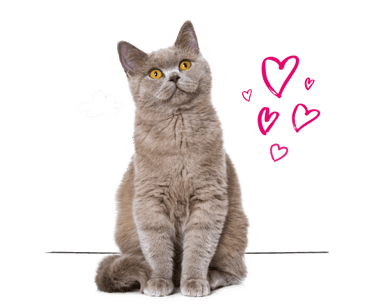
British Shorthair cat breed guide
Learn all about the beloved British Shorthair cat, from breed facts to behaviour, potential health problems, care needs, costs, and more.
21st July 2026
British Shorthair cat breed information
If you wish to find out about more about the British Shorthair, this guide covers everything you need to know.
Here's what you'll discover:
Size
Female: 20–35cm
Male: 25–40cm

Lifespan
9-20 years

Weight
Female: 3.2-5.4kg
Male: 4.1-7.7kg

Temperament
Calm, affectionate, loyal, easygoing, good with families

Coat Type
Short, dense, plush double coat with a thick, crisp texture

Possible Health Conditions
Hypertrophic cardiomyopathy (HCM), polycystic kidney disease (PKD), obesity
Temperament and behaviour
British Shorthairs are best known for their calm, easygoing nature and quietly affectionate personality. They’re gentle, loyal cats who enjoy spending time with their families, but they’re not usually demanding or overly clingy.
Generally good with children and other pets, British Shorthairs suit a range of households. While they form strong bonds with their owners and like being nearby, they often prefer sitting beside you rather than curling up on your lap - happy to relax and observe the world around them.
British Shorthair health problems
British Shorthairs are typically considered a robust breed. However, like all cats, they can experience certain health conditions.
Based on our 2025 claims data and average veterinary treatment costs, some of the issues more commonly identified in this breed include:
- Hyperthyroidism – with an average claim of £995
- Vomiting and diarrhoea – with an average claim of £957
- Osteoarthritis – with an average claim of £868
It’s important to remember that although some conditions appear more frequently in British Shorthairs, every cat is an individual. Your pet may never develop any of the health concerns listed below.
Being aware of potential risks can help you support your cat in living a long and happy life.
A heart condition that causes thickening of the heart muscle. Hypertrophic cardiomyopathy (HCM) is one of the most common heart diseases in cats, and British Shorthairs can be particularly prone to it. The breed has a high prevalence of HCM, often with early onset and a significant male sex predisposition.
The disease may remain silent in early stages but can lead to serious symptoms like congestive heart failure, sudden hindlimb weakness, or even sudden death as it progresses. Echocardiography is the gold standard for diagnosis, and treatments often include medications like beta-blockers to manage symptoms.
Regular veterinary checks, including echocardiographic screening, are highly recommended, especially for breeding cats. If a murmur is detected, discuss the need for further screening, especially before anaesthesia or breeding.
Although more commonly associated with Persian cats, polycystic kidney disease (PKD) can also occur in some British Shorthair lines due to historical crossbreeding. Symptoms may include increased thirst and urination, loss of appetite, weight loss, lethargy, and vomiting. As the disease progresses, kidney failure may develop.
PKD is typically detected early, with renal cysts appearing in young cats. While there's no cure, treatment focuses on symptom management, including dietary changes, blood pressure medication, and fluid therapy. Regular vet check ups, including blood tests and ultrasounds, are essential for early detection and effective management.
If you notice signs like increased thirst, weight loss, or vomiting, consult your vet. Testing for PKD in breeding cats helps reduce the risk of the disease in future generations.
British Shorthair cats are known for their sturdy build and calm demeanor, which can make them prone to weight gain if overfed or under-exercised.
Obesity often develops after neutering and during middle adulthood, particularly around 7 years old. British Shorthairs are at higher risk, so proactive monitoring from kittenhood is key. Portion control, regular play, and adjusting calorie intake post-neutering are all effective prevention strategies.
To keep your British Shorthair healthy, follow a structured weight management plan. If you notice weight gain, lack of waistline, or reduced activity, consult your vet about safe weight loss.
British Shorthairs are among the cat breeds more likely to be diagnosed with dental disease.
Periodontal disease tends to develop with age, often appearing in young adult felines as gingivitis, but more severe issues, like periodontitis, are common in middle-aged cats. Early signs include bad breath, gum redness, plaque, and reluctance to chew hard food. Advanced disease can lead to tooth mobility, drooling, weight loss due to pain while eating, and more.
If you notice signs like bad breath, red gums, or changes in eating habits, it’s important to consult your vet. Early treatment and regular dental checks are crucial for managing and preventing further issues.
What are the average costs of keeping a British Shorthair?
The cost of a British Shorthair cat can vary depending on factors like age, lineage, coat colour, and the reputation of the breeder. Generally, in the UK, the price for a kitten ranges from £500 to £2,000. Pedigree kittens from registered breeders usually cost between £1,200 and £2,000, while those from unregistered breeders may range from £350 to £800. On average, a pedigree British Shorthair is priced at around £600, which is considered mid-range for pedigree cats.
Certain coat colours can also be more popular, and therefore more expensive. Reputable breeders may charge more, but this often reflects the care they put into health testing for genetic conditions, ensuring kittens aren’t separated from their mother too early, and providing essential vaccinations before they go to their new homes.
It’s also important to think beyond the initial price, as the average annual cost for owning a cat is around £1,500. This includes routine veterinary care, vaccinations, neutering, parasite treatments and annual health checks. British Shorthairs can be prone to weight gain, so investing in high-quality food and interactive toys to keep them active is key. You’ll also need to budget for essentials like a litter tray, scratching post, grooming tools, a cosy bed, and plenty of enrichment.
These costs might feel overwhelming, but planning ahead for both everyday care and unexpected vet bills can help you give your British Shorthair the happy, healthy life they deserve.
Grooming
Although British Shorthairs have a short, dense coat, they still require regular grooming to keep their fur in top condition. Brushing once a week is usually sufficient to remove loose hair and prevent matting. Their thick coat sheds seasonally, so during peak shedding periods, more frequent brushing may be necessary. They’re generally low maintenance compared to long haired breeds, but regular grooming helps keep their coat shiny and reduces the amount of hair around your home.
Exercise
Although British Shorthairs are generally calm, they still benefit from regular play to keep them healthy and active. These cats enjoy short bursts of interactive play, especially with toys like wand feathers or puzzle feeders. While they’re not overly energetic, a few play sessions a day are enough to keep them mentally stimulated and help prevent boredom.
Enrichment
British Shorthairs are intelligent and curious, so providing environmental enrichment is important. They enjoy exploring their surroundings, climbing on cat trees, and scratching posts. Ensuring they have access to different textures, heights, and activities will help keep them entertained and encourage natural behaviours like climbing and scratching.
Diet
British Shorthairs are known for their stocky build, so it's important to provide them with a balanced diet to maintain a healthy weight. Due to their slower metabolism and less active nature, they can be prone to obesity if overfed. A high quality, protein-rich diet with controlled portions is recommended to support their overall health. Always ensure they have access to fresh water, and consult your vet for advice on portion sizes and feeding schedules based on your cat’s age, size, and activity level.
Origins of the British Shorthair cat
The British Shorthair is widely regarded as one of Britain’s oldest and most established cat breeds. Its ancestry can be traced back to domestic cats brought to the UK by the Romans, who valued them for their hunting skills and ability to control vermin. Over time, these cats bred with local populations, gradually developing into a sturdy, short-coated type well suited to the British climate.
By the late 19th century, cat fanciers began selectively breeding these robust working cats to create a consistent pedigree. The British Shorthair was one of the first breeds to be exhibited at early cat shows in London and was later recognised by organisations such as the Governing Council of the Cat Fancy.
The breed’s numbers declined during the World Wars, and careful crossbreeding helped restore the population and refine their distinctive round face and dense coat. Today, the British Shorthair is one of the UK’s most popular pedigree cats, admired for its plush appearance and calm temperament.
Did you know?
The British Shorthair is one of the oldest domestic cat breeds, believed to have been brought to Britain by the Romans over 2,000 years ago. They were initially used as working cats to control pests.
A calm and affectionate companion
British Shorthairs are known for their relaxed and loving nature. With their round faces and teddy bear-like appearance, they form strong bonds with their owners, offering a perfect balance of independence and affection. They enjoy spending time with their family, but also appreciate their own space in the home.
Keep an eye on their weight
British Shorthairs have hearty appetites and can be prone to weight gain if not properly managed. Their calm and laid back nature means they may not be as active as other breeds, so it’s important to monitor their diet and provide regular opportunities for play and exercise. Without the right balance, they could become overweight, which may affect their long term health.
Great for first-time cat owners
With their calm temperament and easygoing nature, British Shorthairs are perfect for first-time cat owners. They’re low key, not overly demanding, and adapt well to various living situations. Whether you're new to cats or looking for a relaxed companion, this breed offers a wonderful combination of loyalty and independence.
British Shorthair FAQs
No, unfortunately British Shorthairs are not considered hypoallergenic. While they have short, dense coats, they still produce the protein responsible for triggering allergies.
People with cat allergies may still experience symptoms, but some might find that British Shorthairs shed less dander than long-haired breeds. Regular grooming and keeping your home clean can help reduce allergens, but if you have severe allergies, it's important to consult with a doctor before bringing a cat into your home.
Yes, British Shorthairs make excellent indoor cats. They are calm, independent, and relatively low energy, which makes them well suited to a relaxed indoor lifestyle. They tend to be content with their own company, but still enjoy spending time with their owners.
Since they’re not overly demanding, they adapt well to living indoors, provided they have access to a stimulating environment with toys and climbing opportunities. A safe and cosy indoor space will ensure they remain happy and healthy, without the risks of outdoor hazards.
British Shorthairs are moderate shedders. Their short, dense coats do shed, but the amount is typically less than that of long haired breeds. Regular grooming, about once or twice a week, can help manage the shedding by removing loose fur and preventing hairballs.
During seasonal changes, particularly in spring and autumn, you may notice increased shedding as they adjust to temperature changes. Overall, while they do shed, it's manageable with proper care, and many owners find their shedding to be less bothersome compared to other breeds.
Similar cat breeds:
- Scottish Fold – Both breeds are known for their rounded, teddy-bear face and calm temperament.
- Russian Blue – Similarly popular among owners who want grey cats, but they differ in their builds.
- Siberian – Alike thanks to their easy-going, confident personalities and affectionate nature.
Related articles:
Cat insurance
Cat insurance can help cover the cost of veterinary treatment from as young as 4 weeks old.
Refer a friend
Get your friends involved and you’ll both get a £40 voucher! T&C's apply
Treats for you, and your furry friends
At Animal Friends, you have access to exclusive discounts and offers through your online account!