
4th September 2026
Preparing for your new puppy
Bringing a puppy home is an exciting time, but there’s a lot to think about before your new furry friend arrives. From puppy-proofing your home to starting training, preparing in advance can help your puppy settle in and give them the best possible start.
This guide covers everything you need to know before and after bringing your puppy home, including your new puppy checklist, training tips, socialisation, and what to expect during their first few months.
We’ll cover:
- What to do before bringing your puppy home
- Your new puppy checklist
- Your puppy’s first three months
- How to toilet train your puppy
- How to crate train your puppy
- How much should you feed your puppy?
- New puppy timeline
- Dos and don’ts when preparing for your puppy
- New puppy FAQs

What to do before bringing your puppy home
The weeks before your puppy arrives are the perfect time to get organised. Preparing your home, planning your puppy’s routine, and making sure you have everything they need can help make the transition smoother for everyone.
Create a safe space
Puppies are naturally curious and love exploring their surroundings, so it’s important to make your home safe before they arrive.
You can prepare by:
- Removing anything your puppy could chew, swallow, or knock over
- Keeping cleaning products, medicines, and harmful substances out of reach
- Securing wires and cables
- Checking that your garden is safe and escape-proof
- Creating a comfortable area where your puppy can rest
Your puppy will need time to adjust to their new surroundings, so having a calm space where they can relax can help them feel more secure.
Find a local vet
Registering with a vet before your puppy arrives means you’ll know where to go if they need advice or treatment.
Your vet can help you plan:
- Vaccinations
- Microchipping
- Flea and worm treatments
- Health checks
- Preventative care
Puppies must be microchipped by the time they are eight weeks old, so it’s important to include this in your early puppy care plans.
Organise puppy insurance
Taking out puppy insurance is one way to prepare for unexpected veterinary costs as your puppy grows. Puppies can sometimes get themselves into situations that require veterinary attention, from accidents and injuries to illnesses.
Arranging cover early can help you understand what support may be available if your puppy needs eligible treatment in the future.
When choosing puppy insurance, it’s worth considering:
- The level of vet fee cover available
- What conditions and treatments are included
- Any exclusions, such as pre-existing conditions
- The excess you may need to pay when making a claim
Plan your puppy’s routine
Before bringing your puppy home, think about how their care will fit into your daily life.
Consider:
- Who will feed your puppy?
- Who will take them for walks?
- Who will look after them when you’re away?
- How will you manage training and playtime?
Establishing a consistent routine can help your puppy understand what to expect and settle into family life.
Prepare financially
Puppies need more than just food and toys. It’s worth planning for both expected and unexpected costs, including:
- Food
- Training classes
- Grooming
- Routine healthcare
- Toys and supplies
- Veterinary treatment
Pet insurance can help you prepare for unexpected veterinary costs if your puppy becomes ill or has an accident. Taking out cover early can help give you peace of mind as your puppy grows.
Your new puppy checklist
As well as puppy-proofing your home, you’ll need to make sure you have everything your puppy needs.
Your new puppy checklist could include:
- A crate and/or bed
- Food and water bowls
- Complete puppy food
- Collar and ID tag
- Lead and harness
- Car restraint
- Toys
- Puppy pads for toilet training
- Poo bags
- Brush or comb
- Dog toothbrush and toothpaste
- Dog shampoo
- Blankets
Remember that every puppy is different, so you may need to adjust your supplies depending on their breed, size, and personality.
Your puppy’s first three months
The first few months are an important time for your puppy’s development. They’ll be learning about the world around them, building confidence and developing habits that can last throughout their life.
Socialising your puppy
Socialisation helps puppies learn how to feel comfortable around different people, animals, environments, and experiences.
Positive experiences can include:
- Meeting different people
- Hearing everyday household sounds
- Exploring new environments safely
- Getting used to being handled
Always introduce new experiences gradually and allow your puppy to go at their own pace.
Establishing a routine
A predictable routine can help your puppy feel safe and understand what is expected of them.
Try to keep regular times for:
- Meals
- Toilet breaks
- Training
- Play
- Rest
Puppies need plenty of sleep, so make sure they have time to relax between exciting new experiences.
When can puppies go outside?
One of the biggest milestones for many puppy owners is their first walk outdoors.
When puppies can go outside depends on their vaccination schedule and your vet’s advice. Puppies are usually able to explore public areas once they have completed their initial vaccinations and your vet confirms it is safe.
Before then, you can still introduce your puppy to the outside world in safe ways, such as carrying them outside or allowing them to experience different sounds and sights from a secure environment.
How to toilet train your puppy
Toilet training takes patience and consistency. Puppies are still learning where and when they should go, so accidents are a normal part of the process.
When learning how to toilet train a puppy, try to:
- Take your puppy outside regularly, especially after eating, drinking, sleeping, or playing
- Praise them when they go in the right place
- Watch for signs they need the toilet, such as sniffing, circling, or becoming restless
- Avoid punishing accidents
Creating a routine helps your puppy understand what you expect from them.
How to crate train your puppy
A crate can provide your puppy with a safe, comfortable place to rest when introduced correctly.
When learning how to crate train a puppy, remember:
- Make the crate comfortable with bedding and familiar items
- Introduce the crate gradually
- Encourage your puppy to explore it voluntarily
- Never use the crate as a punishment
- Keep crate time appropriate for your puppy’s age and needs
The aim is for your puppy to see their crate as a positive space where they can relax.
How much should you feed your puppy?
Puppies need food that supports their growth and development.
The amount your puppy needs will depend on:
- Their age
- Breed and expected adult size
- Activity levels
- The type of food you choose
Follow the feeding guidance provided by your puppy food manufacturer and speak to your vet if you’re unsure about your puppy’s nutritional needs.
New puppy timeline
Every puppy develops at their own pace, but this general timeline can help you understand some of the key stages.
| Puppy age | What they may experience |
| 8 weeks | Settling into their new home, starting routines, and beginning basic training |
| 8–12 weeks | Socialisation, microchipping, vaccinations, and learning household habits |
| 3–6 months | Developing confidence, continuing training, and exploring more of the world |
| 6+ months | Continuing training and progressing towards adulthood |
Your vet can provide personalised advice based on your puppy’s breed, health, and development.
Dos and don’ts when preparing for your puppy
Do:
✓ Prepare your home before your puppy arrives
✓ Create a safe, comfortable space for your puppy
✓ Start building routines early
✓ Be patient with toilet training and crate training
✓ Introduce new experiences positively
✓ Keep up with vaccinations and preventative healthcare
Don’t:
✗ Expect your puppy to learn everything immediately
✗ Punish accidents or unwanted behaviour
✗ Introduce too many new experiences at once
✗ Forget to plan for ongoing costs and care
Giving your puppy the best start in life
Bringing home a puppy is the start of an exciting journey. With preparation, patience, and plenty of care, you can help your puppy grow into a happy and confident companion.
Animal Friends puppy insurance can help provide support with eligible veterinary costs if your puppy becomes ill or has an accident. Find out more about how puppy insurance can help protect your new arrival.
New puppy FAQs
Your puppy should sleep somewhere safe, comfortable, and quiet where they can settle. Many owners choose to place their puppy’s crate or bed near them initially, as being away from their littermates can feel unfamiliar.
The 7 7 7 rule is a puppy socialisation approach designed to encourage owners to gradually introduce their puppy to a variety of experiences during their early development.
The idea is that, during the first few weeks of having your puppy home, you aim to introduce them to:
- 7 different types of people – such as people wearing different clothing, people of different ages, or people with different voices and appearances.
- 7 different environments – such as the garden, different rooms in the house, the car, a friend’s home, or safe outdoor spaces.
- 7 different experiences – such as hearing household noises, walking on different surfaces, exploring new objects, or experiencing gentle handling.
The aim is to help puppies build confidence and learn that new experiences can be positive.
However, the 7 7 7 rule is not an official training method, and every puppy will respond differently. Introductions should always be gradual, positive, and appropriate for your puppy’s age, vaccination status, and comfort level.
Many owners find the first few weeks challenging as their puppy adjusts to a new home, new routines, and training. With patience and consistency, most puppies gradually become more settled.
Young puppies have small stomachs and their feeding needs depend on their age, breed, and individual circumstances. Follow your vet’s advice and the feeding guidance for your puppy’s food.

Need insurance for your puppy?
Dog insurance can help cover the cost of veterinary treatment from as young as 4 weeks old.
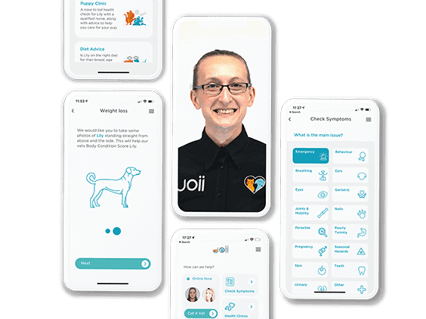
Free vet consultations with Joii
Our award winning dog insurance also comes with free access to Joii, with unlimited, 24/7 access to video vet calls with RCVS registered practitioners plus their symptom checker tool for immediate, qualified advice on 160 common conditions.