
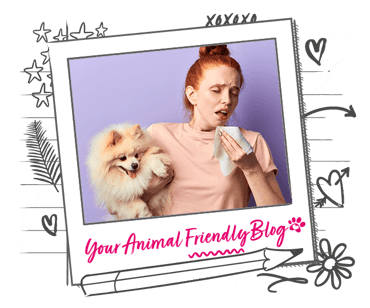
Which dogs are hypoallergenic?
Learn the key details about hypoallergenic dogs and whether they will impact someone with allergies, and discover five allergy-friendly dog breeds.
2nd September 2026
Everyone loves man’s best friend, but what if you or someone in your household is allergic to dogs? For animal lovers, discovering you’re sensitive to your furry companion can be disappointing, especially when you’ve always dreamed of welcoming a dog into your family.
While no dog is completely hypoallergenic, some breeds are considered more suitable for allergy sufferers due to their lower-shedding coats and reduced likelihood of spreading allergens around the home.
If you’re looking for a four-legged friend who may be a better match, exploring what dogs are hypoallergenic could help you find the right breed.
Keen to learn more? We’ve answered some commonly asked questions and explored the best hypoallergenic dogs, including breeds that may be suitable for allergy sufferers.
We'll cover:
- Are hypoallergenic dogs real?
- Do hypoallergenic dogs shed?
- Do hypoallergenic dogs have hair or fur?
- Can hypoallergenic dogs get fleas or lice?
- Top 5 hypoallergenic dogs
- Small hypoallergenic dogs
- Are Cavapoos and Cockapoos hypoallergenic?
- Hypoallergenic dog FAQs

Are hypoallergenic dogs real?
Yes, and no. Though a completely hypoallergenic dog doesn’t exist, it is absolutely possible to find less allergy-inducing dog breeds that are a much better match for those who suffer.
All dogs produce allergens, including proteins found in their skin cells, saliva, and urine. These allergens can become attached to dander (tiny flakes of dead skin), which can then spread around your home. However, some breeds are considered more suitable for allergy sufferers because they shed less and may release fewer allergens into their environment.
Hypoallergenic dog breeds have a non-shedding, predictable coat, which is naturally much easier for an allergy sufferer to navigate. They also produce less dander — which is what clings to pet hair and causes reactions.
Do hypoallergenic dogs shed?
The short answer is, yes. Like any other dog breed, hypoallergenic dogs do shed, but they do so a lot less, resulting in a smaller chance of you being exposed to it.
Many hypoallergenic breeds are classed as low shedding dogs because their coats trap loose hair rather than releasing it around the home. However, less shedding doesn’t mean zero shedding, and regular grooming is still important to help keep their coat healthy.
Hypoallergenic breeds tend to have either thick, curly coats or not a lot of hair. In most cases, they produce less dander and hair moulting.
Do hypoallergenic dogs have hair or fur?
Hypoallergenic dogs have hair rather than fur, which is why they shed a lot less. Though dogs with fur do tend to moult a lot, it isn’t actually the fur itself that you’re allergic to, but rather the dander that’s carried in the coat.
Dogs with hair can still cause allergic reactions, as they also have dander, but the symptoms they cause are usually less extreme due to their lack of shedding.
Can hypoallergenic dogs get fleas or lice?
Sure, hypoallergenic dogs are certainly less prone to shedding, but they can still get fleas. They’re just less likely to. Reason being that there are few places for fleas to set up camp. Not as much hair means not as many places to hide!
If your dog is suffering, why not read our guide on how to deal with ticks and fleas on dogs?
Top 5 hypoallergenic dogs
Here are five allergy-friendly dog breeds that are often recommended for people looking for a lower-shedding companion:
1. Poodle
Poodles are one of the most popular choices for allergy sufferers thanks to their curly, low-shedding coats. Available in toy, miniature, and standard sizes, they can suit a variety of homes and lifestyles. Their coats require regular grooming, but this can help manage loose hair and keep their coat healthy.
2. Bichon Frise
The Bichon Frise is a small breed with a soft, curly coat that sheds very little compared with many other dogs. Their friendly nature and compact size also make them a popular choice for families looking for small hypoallergenic dogs.
3. Schnauzer
While no dog is completely allergy-free, Schnauzers are often considered a good option because their wiry coat sheds less than many other breeds. They come in miniature, standard, and giant sizes, meaning there are options for different households.
4. Portuguese Water Dog
Portuguese Water Dogs have a curly or wavy coat that tends to shed less than breeds with traditional fur. They are intelligent, energetic dogs that benefit from plenty of exercise and mental stimulation.
5. Maltese
Maltese dogs have a long, silky coat rather than a thick undercoat, which means they typically shed less than many other breeds. Their small size and affectionate personality make them another option for those looking for a potentially allergy-friendly companion.
Remember, reactions to dogs vary from person to person. Before bringing a new dog home, it’s worth spending time with the breed you’re interested in to see whether they trigger any allergy symptoms.
Discover more examples of hypoallergenic pets to consider.
Small hypoallergenic dogs
If you’re looking for a smaller companion, there are several small hypoallergenic dogs that may be worth considering. Smaller breeds can also produce fewer allergens simply because they have smaller bodies, although their coat type and grooming needs are still important factors.
Some small breeds often considered more suitable for allergy sufferers include:
- Bichon Frise
- Maltese
- Toy Poodle
- Miniature Schnauzer
- Yorkshire Terrier
Remember that a smaller dog is not automatically hypoallergenic. Their coat type, shedding levels, and individual allergen production are all factors that can influence how suitable they are.
Are Cavapoos and Cockapoos hypoallergenic?
Poodle crosses are popular choices for people looking for potentially lower-shedding dogs, but their coat type and shedding levels can vary. Cavapoos, for example, can shed, although the amount will depend on whether they inherit more characteristics from their Cavalier King Charles Spaniel or Poodle parent.
Cockapoos can also shed, despite often having the curly or wavy coats associated with lower-shedding breeds. Regular grooming can help manage loose hair and keep their coat healthy, but there’s no guarantee that every Cavapoo or Cockapoo will be suitable for allergy sufferers.
Conclusion
It’s a fact of life that countless people, pooch lovers or not, are allergic to dogs. However, a hypoallergenic dog could be the solution you’re looking for.
Whilst no dog is truly hypoallergenic, being savvy with which breed you choose could really help you get the best friend you’ve always wanted, whilst also avoiding the sniffles.
Remember, every dog is unique, and even breeds considered hypoallergenic can still cause allergic reactions. Taking time to find the right match for your household is an important part of becoming a responsible pet owner.
For more information on how to provide the best care for your dog, visit our dog advice section.
Hypoallergenic dog FAQs
Temperament varies between individual dogs, but breeds such as Bichon Frises, Maltese, and some Poodles can make calm companions when provided with appropriate exercise, enrichment, and training.
There is no definitive list of dogs that everyone with allergies should avoid, as reactions differ. However, breeds with heavy shedding coats may release more hair and dander around the home, which could make symptoms harder to manage.
Vets do not generally recommend avoiding a specific breed solely because of allergies. Choosing a dog should involve considering health, temperament, lifestyle needs, and whether the breed is suitable for your household.
Yes, many hypoallergenic breeds need regular grooming to keep their coats healthy and prevent matting. While breeds with curly or wiry coats may shed less, their hair can continue growing and may require frequent brushing, professional grooming appointments, or regular coat maintenance.
Keeping on top of grooming can also help reduce the amount of loose hair and dander around your home. However, grooming alone won’t remove all allergens, so it’s still important to spend time with a breed before bringing one home if you have allergies.
Though perceived as pricey, hypoallergenic dog costs tend to vary from breed to breed, meaning that you should be able to find a reasonably priced furry friend that can help you avoid regular allergic reactions.

Dog insurance
Dog insurance can help cover the cost of veterinary treatment with vet fee cover from £1,000 to £18,000. We can even pay your vet direct.
Looking for more dog advice?
Find the information you need as we support you through every step of your journey with your canine companion.