
7th October 2026
Dental problems in cats: symptoms, causes, and prevention
Just like people, cats can experience a build-up of plaque and bacteria that leads to sore gums, damaged teeth, and painful infections.
However, because cats instinctively hide signs of pain, dental disease can progress quietly until it causes serious discomfort or affects their ability to eat. That’s why understanding how to spot, treat, and prevent dental issues is so important.
In this guide, we’ll explore the most common dental diseases in cats, their symptoms and causes, how vets diagnose and treat them, and what you can do at home to keep your cat’s teeth healthy.
We’ll cover:
- What is dental disease in cats?
- How common are dental problems in cats?
- What causes dental issues in cats?
- Types of dental problems affecting cats
- How do I know if my cat has dental problems?
- Diagnosing and treating dental disease in cats
- How to prevent dental issues
What is dental disease in cats?
‘Dental disease’ is a broad term for any condition that affects a cat’s teeth, gums, or the tissues that hold the teeth in place. These problems can range from mild gum inflammation (gingivitis) to severe infection and tooth loss.
As owners, it can be tricky to monitor our feline friend’s oral hygiene, but as we’ll explore, prevention is better than cure for many dental diseases in cats.
How common are dental problems in cats?
Dental problems are one of the most widespread health conditions in cats, and recent research shows that they’re even more common than once thought.
According to the RVC’s 2023 VetCompass study, around 15% of cats in the UK are diagnosed with periodontal disease every year (roughly 1.8 million cats), with many more likely affected but undiagnosed.
The risk rises significantly with age. Researchers estimate that between 50% and 90% of cats over four years old experience some form of dental disease during their lifetime, while a 2024 study from the BSAVA found that up to half (56%) of cats aged five to six years already show signs of gingivitis (early gum disease).
What causes dental issues in cats?
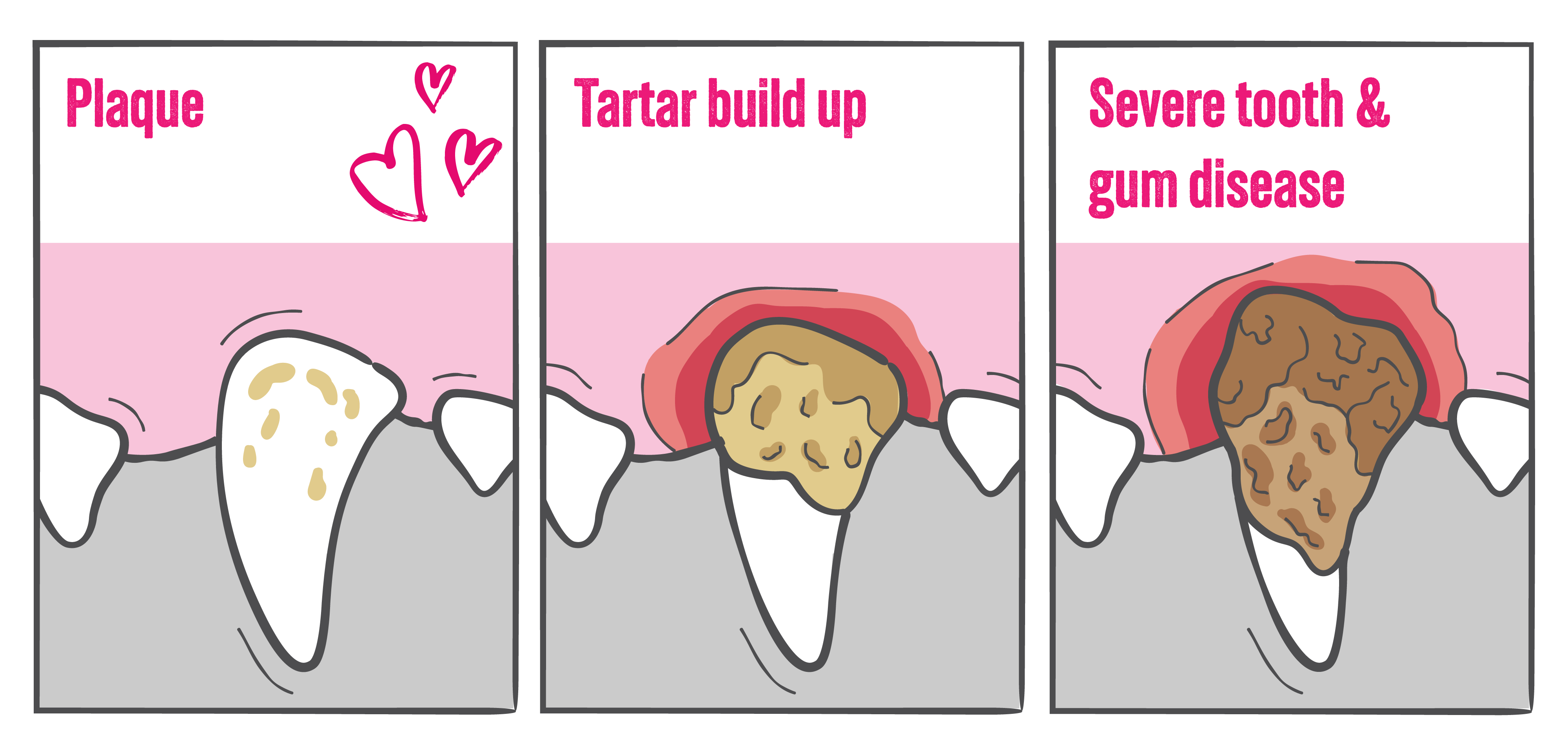
Cats develop dental problems in a similar way to humans. Food particles and saliva combine to form a sticky film called plaque, which is full of bacteria. If plaque isn’t cleaned away, it hardens into tartar, irritating the gums and allowing bacteria to spread below the gum line. Over time, this inflammation can damage the supporting structures of the teeth.
Certain genetic, health, diet, and lifestyle factors can also lead to dental problems. These include:
- Age: Dental disease becomes more likely with age. Research from the RVC shows that cats between 9–12 years old are around six times more likely to have periodontal disease than cats under three.
- Breed: The same RVC study showed that certain cat breeds are more pre-disposed to dental disease than others, including Siamese, Maine Coons, and British Shorthairs.
- Diet: Cats fed a wet or mixed wet/dry diet have higher odds of developing gingivitis than those on a dry-only diet.
- Lifestyle: Indoor cats that don’t hunt prey, and cats that dribble when stroked at six months old, are more prone to gingivitis.
- Body condition and immune health: Overweight cats and those with conditions such as diabetes, feline immunodeficiency virus (FIV), or feline leukaemia virus (FeLV) may be more susceptible.
- Lack of dental care: Without brushing or regular professional cleaning, plaque and tartar build quickly, irritating the gums.
Every cat is different though of course and these are just some of the risk factors — it doesn’t necessarily mean your cat is guaranteed to develop dental problems. But it’s a good idea to be aware of these causes so you can reduce the chance of these issues occurring.
Types of dental problems affecting cats
Dental issues in cats range from common, reversible conditions to more serious problems that need advanced veterinary treatment.
Gingivitis (early gum disease)
Gingivitis is the first and only reversible stage of gum disease. It happens when plaque irritates your cat’s gums, causing redness, swelling, or slight bleeding. If caught early, gingivitis can be managed with professional cleaning and home care. Left untreated, it may progress to periodontitis.
Periodontitis (advanced gum disease)
Periodontitis (or periodontal disease) in cats occurs when infection spreads deeper under the gums, damaging the bone and ligaments that support the teeth. This can cause loose teeth, receding gums, and chronic bad breath.
It’s the most common dental disease in cats, affecting roughly 15% of cats in the UK each year. Though it can’t always be reversed, treatment for periodontitis includes a thorough clean under anaesthetic and extraction of affected teeth in more severe cases.
Tooth resorption (TR)
Instead of cavities, cats can develop tooth resorption, a painful condition where the body gradually breaks down the tooth from the inside out. You may also see this condition referred to as FORLs (feline odontoclastic resorptive lesions), but the meaning is the same.
Signs include small holes and patches show up along the gumline, where the tooth has weakened. Studies estimate that it accounts for up to 67% of oral diseases in cats.
As well as the visible signs of damage, other symptoms of feline tooth resorption include drooling and jaw-chattering when eating. Because the process is progressive and painful, extraction is usually the only effective treatment.
Broken tooth
Your cat can get a broken tooth during fights, from trauma or a fall, or by chewing on hard objects. A broken tooth exposes the inner pulp, allowing bacteria to enter and cause infection. You may notice bleeding, pawing at the mouth, or reluctance to eat. Treatment may involve extraction or, in certain cases, root canal therapy.
Tooth abscess
An abscess forms when bacteria cause infection beneath a tooth root, leading to a painful pocket of pus. Cats with a tooth abscess may develop facial swelling, drool, or stop eating altogether. Treatment usually involves antibiotics, draining the abscess, and removing the affected tooth.
Malocclusion (teeth misalignment)
Malocclusion means that a cat’s teeth or jaws don’t align properly when the mouth closes. This can happen due to genetics, injury, or retained baby teeth that shift adult tooth placement.
While some mild cases don’t cause problems, more severe misalignment can rub or cut the gums and soft tissues, leading to pain or difficulty eating. Treatment depends on the cause and severity — your vet may recommend tooth extraction, orthodontic adjustment, or monitoring.
Feline Chronic Gingivostomatitis (FCGS)
Also known as stomatitis, Feline Chronic Gingivostomatitis (FCGS) is a rare but severe inflammation of the gums and mouth lining. It’s thought to involve an overactive immune response, sometimes linked to viral infections like calicivirus, Feline Leukaemia Virus (FeLV), or Feline Immunodeficiency Virus (FIV).
Cats with FCGS often show symptoms like drooling, bad breath, pain when eating, and weight loss. Treatment may involve anti-inflammatory medication and antibiotics, but partial or full-mouth tooth extractions are sometimes needed to relieve pain and infection.
Other conditions, like oral tumours and other types of infection can also occur in cats — though these are much less common than the conditions described above.
How do I know if my cat has dental problems?
Cats are experts at hiding pain, so signs of dental problems can be subtle. However, you should look out for:
- Bad breath (halitosis)
- Drooling or blood in saliva
- Pawing at the mouth or face
- Eating on one side or dropping food
- Avoiding dry food
- Weight loss or reduced appetite
- Red or swollen gums
- Loose, broken, or missing teeth
If your cat shows any of these signs, book a vet appointment right away. Even if you think their symptoms aren’t too bad, it’s important to get your cat treatment sooner rather than later. This is because any problems affecting the mouth and how they eat can have a significant impact on their overall health and nutrition.
Diagnosing and treating dental disease in cats
If your cat shows signs of dental issues, your vet will carry out a full oral examination (often under anaesthetic). This allows them to look beneath the gum line and may include dental X-rays or scans to check for tooth resorption, abscesses, or bone loss that can’t be seen on the surface.
Depending on what your vet finds, treatment may involve:
- Professional cleaning and scaling under anaesthetic to remove plaque and tartar from the teeth and below the gums
- Extraction of damaged or painful teeth, especially in cases of advanced gum disease, tooth resorption, or fractures
- Antibiotics and pain relief to manage infection, reduce inflammation, and keep your cat comfortable during recovery
- Follow-up checks or X-rays to make sure healing is on track and no new problems are developing
Cats usually recover quickly after dental procedures, and most show a big improvement in appetite, grooming, and general comfort within a matter of days.
At Animal Friends, we understand that dental health is a big part of your cat’s overall wellbeing. It's always best to check your cat insurance policy documents or ask your vet practice to submit a preauthorisation for any dental work your cat requires, so you can see what's covered before any procedure is done.
How to prevent dental issues
Preventing dental disease in cats is all about consistency and early care. Once plaque hardens into tartar, it can only be removed by your vet, so the goal is to stop it building up in the first place.
Dental care doesn’t have to be difficult or stressful for your cat; with patience and gentle training, most cats can learn to tolerate a simple daily routine. Here’s how you can help keep their teeth and gums healthy for life.
1. Daily toothbrushing
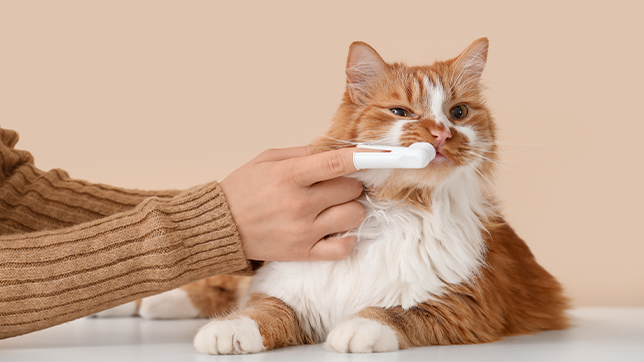
Brushing your cat’s teeth is the best way to prevent plaque and tartar from forming in the first place. Studies show that cats who receive regular brushing have far lower rates of gingivitis and periodontitis.
A cat-friendly toothbrush or finger brush and feline-safe toothpaste work best. Never use human toothpaste, as this can be toxic to cats. Get more toothbrushing tips in our helpful guide to cleaning your cat’s teeth.
2. Choose the right diet
Feeding your cat a balanced diet plays an important role in oral health. Research shows that cats fed only wet food are more likely to develop gingivitis, while including dry kibble can help reduce plaque build-up. Some veterinary dental diets have specially designed kibble shapes that clean teeth as cats chew.
Avoid sticky human treats, and consider adding approved dental treats or chews for extra protection. Your vet can also recommend diets proven to slow tartar build-up and support gum health.
3. Schedule regular dental checks
Routine vet checks are essential for spotting problems that can’t be seen at home. Cats often hide discomfort until dental disease is advanced, so professional exams help catch issues early.
Most cats should have a full dental check at least once a year, and senior cats or those with a history of gum disease may need checks every six months.
4. Other oral health supplements
If brushing isn’t possible, there are other ways to protect your cat’s teeth. PetMD recommends dental wipes, rinses, gels, and water additives that can help slow bacterial growth between cleanings.
When shopping for products, always look for the VOHC (Veterinary Oral Health Council) seal, which means they’ve been proven to reduce plaque or tartar. If you’re ever unsure about whether or not a product is right for your cat, ask your vet for advice.
5. Reduce stress and support whole-body health
There is evidence to suggest that stress and poor immune health can make cats more prone to oral inflammation, especially with conditions like FCGS. Keep your cat’s environment calm and predictable, ensure vaccinations are up to date, and encourage hydration (water fountains can help if your cat is reluctant to drink).
Regular exercise, a healthy diet, and parasite control can also support their overall wellbeing, which in turn promotes better gum and dental health for your cat.
Conclusion
Dental disease in cats may be common, but it’s also one of the most preventable health problems they face.
With regular oral hygiene practices, the right diet, and routine dental check-ups, you can protect your cat from painful gum disease and keep them happy and healthy well into old age.
For more expert tips on caring for your feline friend, visit our Cat Advice hub, or explore the related articles below.
Related content:

Looking for more cat advice?
We’ve written some handy cat advice guides, to help you unlock the secrets of your mysterious moggy.

Need cat insurance?
Cat insurance can help cover the cost of veterinary treatment if your cat gets injured or falls ill.
We know pets
Here at Animal Friends Insurance, we're multi-award winning, with a passion to create a better life for every animal.
Since we were founded over 25 years ago, we protect the nation’s pets, while also making a difference to animal welfare and our planet. Thanks to you, we've donated over £10 million to more than 830 animal welfare charities and conservancies, helping to support vulnerable pets and wildlife around the world.
We’re proud to offer pet insurance that helps make a difference to the lives of animals everywhere.
The charitable work undertaken by Animal Friends Insurance is not regulated by the Financial Conduct Authority.